

The search for alcohol hangover cures is as old as alcohol itself. Many cures and remedies are sold, but scientific evidence for their effectiveness is lacking.
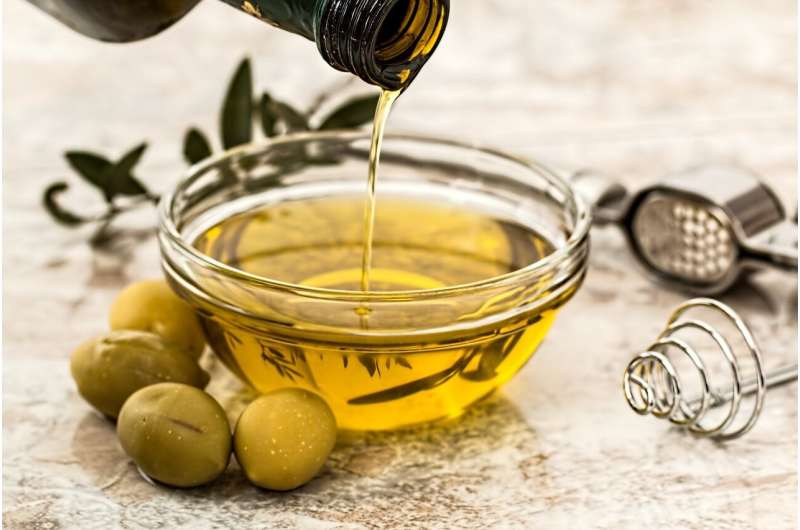
Recently, the notion that taking a shot of olive oil before consuming alcohol can prevent hangovers has garnered attention. This idea, popularized by figures like music producer Benny Blanco who discussed it on The Tonight Show Starring Jimmy Fallon, suggests that olive oil can coat the stomach and slow the absorption of alcohol, thereby reducing hangover symptoms.
Despite its allure, this claim lacks any scientific backing and should be approached with lots of skepticism. The theory behind the olive oil trick is that its high-fat content forms a coating on the stomach lining, slowing down the rate at which alcohol is absorbed into the bloodstream. This slower absorption is supposed to lessen the intensity of hangovers.
While it is true that fatty foods can delay alcohol absorption to some extent, the effectiveness of this tactic is dubious. Alcohol absorption primarily occurs in the small intestine, with only about 20% being absorbed in the stomach. This means that even if olive oil slows down the initial absorption in the stomach, most alcohol will still be absorbed later in the digestive process.
Also, the body’s metabolism or natural breakdown of alcohol, which involves the liver chemically changing it using its own protein machinery, is the primary cause of hangover symptoms such as dehydration, headaches and nausea. Olive oil does not interfere with this metabolic process in a way that would change hangover outcomes.
A comprehensive approach to preventing hangovers involves several factors, such as hydration, nutrition and alcohol moderation. While olive oil may contribute to slowing alcohol absorption slightly, it is far from a comprehensive solution.
There are better ways
Rather than relying on olive oil, there are several well-established methods to prevent or mitigate hangovers:
-
Hydration: Dehydration is a major contributor to hangover symptoms. Drinking water before, during and after alcohol consumption can help maintain hydration levels and reduce the severity of hangovers.
-
Nutrition: Consuming a nutritious meal before drinking can slow down alcohol absorption more effectively than a shot of olive oil. Foods rich in protein, fats and complex carbohydrates can provide a more balanced approach to mitigating alcohol’s effects.
-
Moderation: The most effective way to prevent a hangover is to drink in moderation. Setting limits and pacing alcohol intake can significantly reduce the risk of hangovers.
-
Replenishing nutrients: After drinking, consuming foods and drinks that replenish lost electrolytes and provide essential nutrients can help the body recover. This includes options like sports drinks, fruit and vegetables.
It is worth noting that some will claim that the olive oil method works for them. However, these anecdotal accounts can often be influenced by the placebo effect. Believing in the effectiveness of a remedy can sometimes lead to perceived improvements, even if the remedy itself is not scientifically proven to be effective.
So, while the idea of taking a shot of olive oil before drinking alcohol to prevent hangovers is a temptingly simple solution, it lacks robust scientific support.
This article is republished from The Conversation under a Creative Commons license. Read the original article.
Citation:
Some say a shot of olive oil can prevent a hangover—here’s what the science says (2024, July 17)
retrieved 17 July 2024
from https://medicalxpress.com/news/2024-07-shot-olive-oil-hangover-science.html
This document is subject to copyright. Apart from any fair dealing for the purpose of private study or research, no
part may be reproduced without the written permission. The content is provided for information purposes only.

Khamrah by Lattafa for Men - 3.4 oz EDP Spray
4% Off
Ghost Sweetheart Eau de Toilette | Pineapple, Jasmine and Sandalwood | Perfume for Women 50 ml
50% Off
Marc Jacobs Dot Eau De Parfum for Women, 100 ml
42% Off
Ted Baker W Eau de Toilette for Her, Fig Leaf, White Peony and Violet Top Notes, Pink Orchid and Raspberry Middle Notes, 75ml
£11.77 (£15.69 / 100 ml) (as of 07/08/2026 04:07 GMT +01:00 - More infoProduct prices and availability are accurate as of the date/time indicated and are subject to change. Any price and availability information displayed on [relevant Amazon Site(s), as applicable] at the time of purchase will apply to the purchase of this product.)
Ted Baker Woman Pink Eau de Toilette Spray Floral Green Feminine Fragrance, Opening Notes are Fresh Peach, Bergamot and Tangerine with Warm Musk, Vanilla and Vetiver Base, 100ml
11% Off
Vera Wang Princess Eau de Toilette - 30 ml

Choco Musk 50ml Eau De Parfum for men and women | Chocolate Musk by Jannat Aromas
17% Off
Christina Aguilera Signature Eau de Parfum (50ml) Floral, Fruity & Exotic Scent, Luxury Fragrance for Women
9% Off
Calvin Klein - Eau De Toilette CKIN2U - Calvin Klein Women, Ladies Perfume, Women's Perfume, Calvin Klein Perfume, Calvin Klein One - 150 ml
5% Off
Jimmy Choo Flash Eau de Parfum, 60 ml (Pack of 1)
3% Off
Fruit of the Loom Men's Heavy T Shirt, White, XL UK
28% Off
ATNKE LED Lighted Beanie Cap,USB Rechargeable Running Hat Ultra Bright 4 LED Waterproof Light Winter Warm Gifts for Men and Women/Pink
17% Off
Men's 1/4 Zip Pullover UK Sale Clearance, Fleece Sweatshirt Casual Jumper Long Sleeve T-shirt Top Stand Collar Sweater Plain Pullover Sports Leisure Workwear Quarter Zip Sweater Lightweight Jumpers
£5.88 (as of 12/11/2025 00:52 GMT +01:00 - More infoProduct prices and availability are accurate as of the date/time indicated and are subject to change. Any price and availability information displayed on [relevant Amazon Site(s), as applicable] at the time of purchase will apply to the purchase of this product.)
Crevice Cleaning Brush, Bathroom Tile Groove Gap Cleaning Brush,Premium Crevice Cleaning Tool Aluminum Support with 15° Angle Magic Brush, Thin Brush for Home Kitchen
19% Off
Wireless Earbuds, Bluetooth 5.3 Headphones in Ear with HiFi Stereo Deep Bass, 4 ENC Noise Cancelling Mic Wireless Earphones 40H Playtime, Bluetooth Earbuds Dual LED Display, IP7 Waterproof, USB-C
42% Off


