
 PA Media
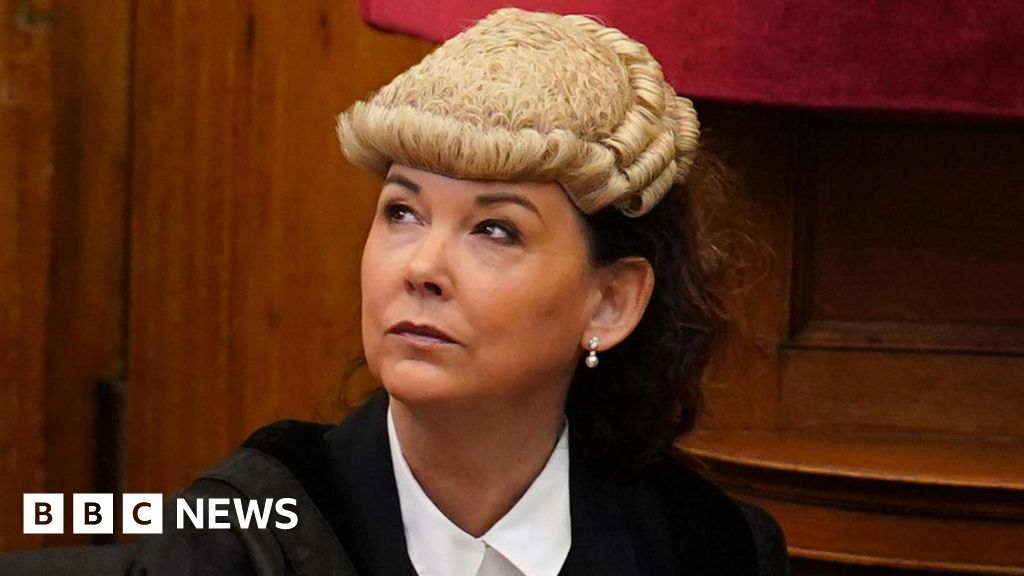
Statutory protections for alleged victims giving evidence in sex cases have not been altered by a recent Supreme Court ruling, Scotland’s senior law officer has said.
Last week, five judges ruled the courts should change their approach to including evidence about an accuser’s character or sexual history.
Following the ruling, Sandy Brindley, chief executive of Rape Crisis Scotland said the changes could “really could put women off reporting”.
But Lord Advocate Dorothy Bain KC said safeguards “remain firmly in place”.
She added the ruling had emphasised “any intrusion into a complainer’s privacy must be no more than is necessary to ensure that the accused receives a fair trial”.
The Lord Advocate described sexual abuse inflicted on women and children as “the single greatest challenge our justice system faces”.
She continued: “The blame for this lies with those responsible for the perpetration of such brutality.
“It is unacceptable and victims should feel able to speak out without further fear.
“We will continue to balance the fair handling of every case and the protection of victims, in accordance with the evidence, the law and the public interest.”
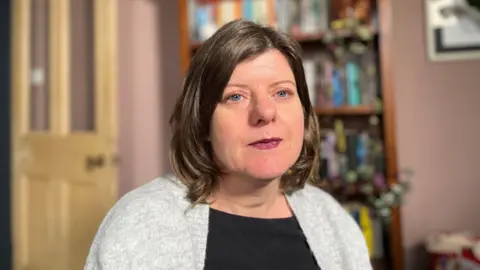
Ms Bain said protections remained in place to protect the “dignity, privacy, and wellbeing of victims throughout the criminal justice process”.
She said: “I wish to make clear that every person working on my behalf in prosecuting the perpetrators of sexual abuse and violence will uphold these safeguards robustly so that women and children feel able to give the best evidence they can.
“All of us working within criminal justice share a responsibility and a determination to ensure the rights of all involved are protected.”
Katrina Parkes, legal director at the Crown Office and Procurator Fiscal Service (COPFS), sought to reassure victims and said it was “responding swiftly” to developments in case law.
She added: “We have already delivered guidance and training across COPFS, and this has enabled those working on cases to respond.
“The ruling does not automatically render existing convictions unsafe.
“Any appeals would be considered on a case-by-case basis through established review processes.”
Ms Parkes said the Crown Office would be “continuously assessing the impact of this judgement upon our work” and would be providing necessary updates to those involved in ongoing cases.
She added: “Access to a fair and humane justice system for all is a priority for all prosecutors, and we do our upmost to uphold these values at all times.”
What did the Supreme Court rule?
The Supreme Court had been considering the case of two men, David Daly and Andrew Keir, who were appealing against convictions for rape.
The court dismissed their appeals and said they had received fair trials – but ruled that Scotland’s courts should change their approach to the admission of evidence in such cases when it comes to looking at an alleged victim’s character or sexual history.
That is expected to result in claims that some cases dating back to 2017 were miscarriages of justice, although it’s impossible to say exactly how many will reach the appeal court or whether they will be successful.
Daly and Keir had argued that their right to a fair trial was infringed because they were unable to lead evidence or question the complainers about their credibility or previous sexual behaviour.
While rejecting their appeals, the Supreme Court said the courts had a duty to modify their approach to be compatible with Article 6, external of the European Convention on Human Rights.
The Law Society of Scotland welcomed the judgement but Rape Crisis Scotland described the ruling as “a real step backwards”.
Source link

Khamrah by Lattafa for Men - 3.4 oz EDP Spray
4% Off
Ghost Sweetheart Eau de Toilette | Pineapple, Jasmine and Sandalwood | Perfume for Women 50 ml
50% Off
Marc Jacobs Dot Eau De Parfum for Women, 100 ml
42% Off
Ted Baker W Eau de Toilette for Her, Fig Leaf, White Peony and Violet Top Notes, Pink Orchid and Raspberry Middle Notes, 75ml
£11.77 (£15.69 / 100 ml) (as of 17/07/2026 03:58 GMT +01:00 - More infoProduct prices and availability are accurate as of the date/time indicated and are subject to change. Any price and availability information displayed on [relevant Amazon Site(s), as applicable] at the time of purchase will apply to the purchase of this product.)
Ted Baker Woman Pink Eau de Toilette Spray Floral Green Feminine Fragrance, Opening Notes are Fresh Peach, Bergamot and Tangerine with Warm Musk, Vanilla and Vetiver Base, 100ml
11% Off
Vera Wang Princess Eau de Toilette - 30 ml

Choco Musk 50ml Eau De Parfum for men and women | Chocolate Musk by Jannat Aromas
17% Off
Christina Aguilera Signature Eau de Parfum (50ml) Floral, Fruity & Exotic Scent, Luxury Fragrance for Women
9% Off
Calvin Klein - Eau De Toilette CKIN2U - Calvin Klein Women, Ladies Perfume, Women's Perfume, Calvin Klein Perfume, Calvin Klein One - 150 ml
5% Off
Jimmy Choo Flash Eau de Parfum, 60 ml (Pack of 1)
3% Off
Fruit of the Loom Men's Heavy T Shirt, White, XL UK
28% Off
ATNKE LED Lighted Beanie Cap,USB Rechargeable Running Hat Ultra Bright 4 LED Waterproof Light Winter Warm Gifts for Men and Women/Pink
17% Off
Men's 1/4 Zip Pullover UK Sale Clearance, Fleece Sweatshirt Casual Jumper Long Sleeve T-shirt Top Stand Collar Sweater Plain Pullover Sports Leisure Workwear Quarter Zip Sweater Lightweight Jumpers

Crevice Cleaning Brush, Bathroom Tile Groove Gap Cleaning Brush,Premium Crevice Cleaning Tool Aluminum Support with 15° Angle Magic Brush, Thin Brush for Home Kitchen
19% Off
Wireless Earbuds, Bluetooth 5.3 Headphones in Ear with HiFi Stereo Deep Bass, 4 ENC Noise Cancelling Mic Wireless Earphones 40H Playtime, Bluetooth Earbuds Dual LED Display, IP7 Waterproof, USB-C
42% Off