 [
[


Nearly every day, there’s a headline about ultra-processed foods, which have been linked to harmful health effects despite lacking a universally accepted definition. These foods are the subject of numerous proposed regulations, but they are not easy for consumers to avoid because they are common and often cheaper and more convenient than healthier alternatives.
Kristina Petersen, an associate professor of nutritional sciences at Penn State, is an expert in how foods, nutrients and dietary patterns can increase or decrease people’s risk of heart disease and diabetes.
In this Q&A, she discussed what ultra-processed foods are, how to identify them, what the government and food industry are doing about the issue and how to reduce consumption of these foods.
Q: What are ultra-processed foods?
Petersen: Ultra-processed foods are generally defined as food products that include industrial formulations of dyes, preservatives and additives that are not typically found in home cooking. Examples include candies, cookies, chips, processed meats and other foods that include additives to enhance flavor, texture and taste.
We should differentiate ultra-processed foods from foods that are processed for safety reasons—like canned vegetables with only salt added—or to extend shelf life—like pasteurized milk.
Q: Why are people concerned about ultra-processed foods?
Petersen: There is evidence that people who eat more ultra-processed foods have a higher risk of a wide range of health problems, including obesity, heart disease, type 2 diabetes and some cancers. Researchers have also conducted clinical trials showing that people who consume a diet high in ultra-processed foods tend to overeat and gain unwanted weight.
Q: Is there a simple way people can understand which foods are ultra-processed?
Petersen: Start by looking at the nutrition label.
Most ultra-processed foods are high in added sugar, saturated fat and sodium. People can find information about the amount of each on the Nutrition Facts label. If a product is high in added sugar, saturated fat and/or sodium, another product with lower amounts of those nutrients might be a healthier choice.
Some people believe you can identify ultra-processed foods by looking for long, complex words on the ingredient list. That can be misleading because ingredient lists sometimes use scientific names, which can be long and scary-looking even when the ingredient is innocuous. People should look at the nutrition label and not rely only on the ingredient list.
Q: Ultra-processed foods are not new. Why are they in the news now?
Petersen: It is estimated that in the U.S., children get more than 60% of their daily energy intake from ultra-processed foods. In adults, it’s just over 50%. So, we have a confluence of factors—the high consumption of ultra-processed foods, the high prevalence of diet-related chronic diseases in the U.S. and new research evidence about the potential health effects of these foods—that has resulted in a lot of interest in ultra-processed foods and calls for the food industry and the government to limit or eliminate these products.
Q: What sort of regulations are being proposed or have been put in place?
Petersen: Currently, the federal government is working on a definition for ultra-processed foods because different groups use different definitions, making it harder to determine whether some items are ultra-processed. Additionally, some states are working on regulations, mostly to limit ultra-processed foods and additives in food served at schools and in school meals.
In response to and in anticipation of these regulations, some food companies are reformulating products to remove additives because their supply chains don’t support state-specific food distribution. In other words, the companies want to sell everywhere, so they make sure their products meet the most restrictive state regulations. That’s why we’re starting to see more products labeled with claims like “no artificial colors.”
Q: Will ultra-processed foods factor in the upcoming midterm election?
Petersen: There has been growing public interest in nutrition recently, in part because the federal government is paying more attention to it.
While I don’t know of any research evidence showing whether people vote one way or the other based on their concerns about ultra-processed food, we do have evidence that the cost of food factors into votes. That will probably be something many people think about when they go to the polls.
Additionally, the cost of food factors into what people buy and eat; we all have limited amounts of money to spend on food.
Q: What advice about ultra-processed foods would you give to the average person?
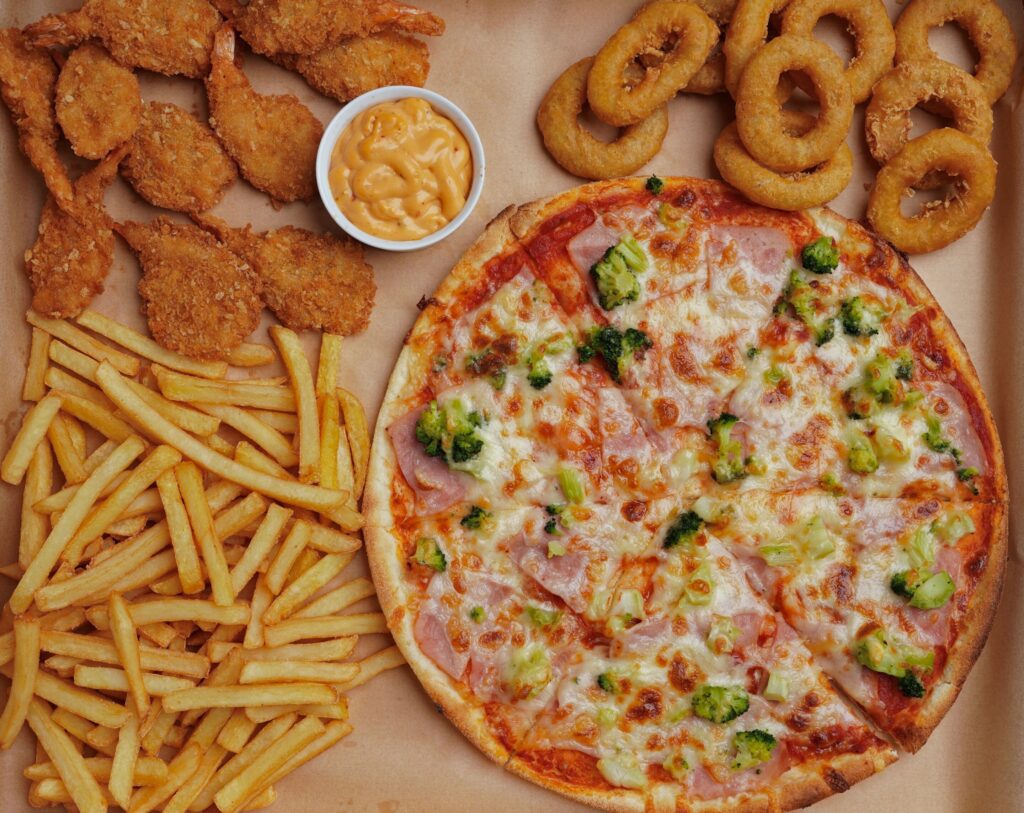
Petersen: A healthy diet is typically high in vegetables, fruits, whole grains, legumes and nuts. It limits—though does not necessarily eliminate—foods that are high in added sugars, saturated fat and sodium. Most ultra-processed foods—cookies, candies, sugary drinks, pizza and processed meats—are considered “junk foods” and should be consumed infrequently as a treat.
Unfortunately, there are considerable barriers to eating a healthy diet in our society today. Current evidence suggests that about 70% of products in the food market are ultra-processed foods. These foods tend to be cheaper and more convenient, requiring less preparation time and effort.
Reducing the intake of ultra-processed foods takes real effort, but people can make modest, incremental improvements. Fresh fruits and vegetables have a limited shelf life and can be more expensive. So, if you cannot eat something fresh, choosing a canned or frozen product—even if it contains additives—is a better option than not having fruit or vegetables at all.
A diet that is a little healthier is still healthier, and small changes are easier to maintain than huge ones. People should start by taking one step to reduce consumption of ultra-processed foods and replace them with something healthier.


Citation:
Q&A: What are ultra-processed foods? (2026, September 29)
retrieved 29 September 2026
from https://medicalxpress.com/news/2026-09-qa-ultra-foods.html
This document is subject to copyright. Apart from any fair dealing for the purpose of private study or research, no
part may be reproduced without the written permission. The content is provided for information purposes only.

Khamrah by Lattafa for Men - 3.4 oz EDP Spray
4% Off
Ghost Sweetheart Eau de Toilette | Pineapple, Jasmine and Sandalwood | Perfume for Women 50 ml
50% Off
Marc Jacobs Dot Eau De Parfum for Women, 100 ml
42% Off
Ted Baker W Eau de Toilette for Her, Fig Leaf, White Peony and Violet Top Notes, Pink Orchid and Raspberry Middle Notes, 75ml
£11.77 (£15.69 / 100 ml) (as of 29/09/2026 05:08 GMT +01:00 - More infoProduct prices and availability are accurate as of the date/time indicated and are subject to change. Any price and availability information displayed on [relevant Amazon Site(s), as applicable] at the time of purchase will apply to the purchase of this product.)
Ted Baker Woman Pink Eau de Toilette Spray Floral Green Feminine Fragrance, Opening Notes are Fresh Peach, Bergamot and Tangerine with Warm Musk, Vanilla and Vetiver Base, 100ml
11% Off
Vera Wang Princess Eau de Toilette - 30 ml

Choco Musk 50ml Eau De Parfum for men and women | Chocolate Musk by Jannat Aromas
17% Off
Christina Aguilera Signature Eau de Parfum (50ml) Floral, Fruity & Exotic Scent, Luxury Fragrance for Women
9% Off
Calvin Klein - Eau De Toilette CKIN2U - Calvin Klein Women, Ladies Perfume, Women's Perfume, Calvin Klein Perfume, Calvin Klein One - 150 ml
5% Off
Jimmy Choo Flash Eau de Parfum, 60 ml (Pack of 1)
3% Off
Fruit of the Loom Men's Heavy T Shirt, White, XL UK
28% Off
ATNKE LED Lighted Beanie Cap,USB Rechargeable Running Hat Ultra Bright 4 LED Waterproof Light Winter Warm Gifts for Men and Women/Pink
17% Off
Men's 1/4 Zip Pullover UK Sale Clearance, Fleece Sweatshirt Casual Jumper Long Sleeve T-shirt Top Stand Collar Sweater Plain Pullover Sports Leisure Workwear Quarter Zip Sweater Lightweight Jumpers
£5.88 (as of 12/11/2025 00:52 GMT +01:00 - More infoProduct prices and availability are accurate as of the date/time indicated and are subject to change. Any price and availability information displayed on [relevant Amazon Site(s), as applicable] at the time of purchase will apply to the purchase of this product.)
Crevice Cleaning Brush, Bathroom Tile Groove Gap Cleaning Brush,Premium Crevice Cleaning Tool Aluminum Support with 15° Angle Magic Brush, Thin Brush for Home Kitchen
19% Off
Wireless Earbuds, Bluetooth 5.3 Headphones in Ear with HiFi Stereo Deep Bass, 4 ENC Noise Cancelling Mic Wireless Earphones 40H Playtime, Bluetooth Earbuds Dual LED Display, IP7 Waterproof, USB-C
42% Off