
 [
[


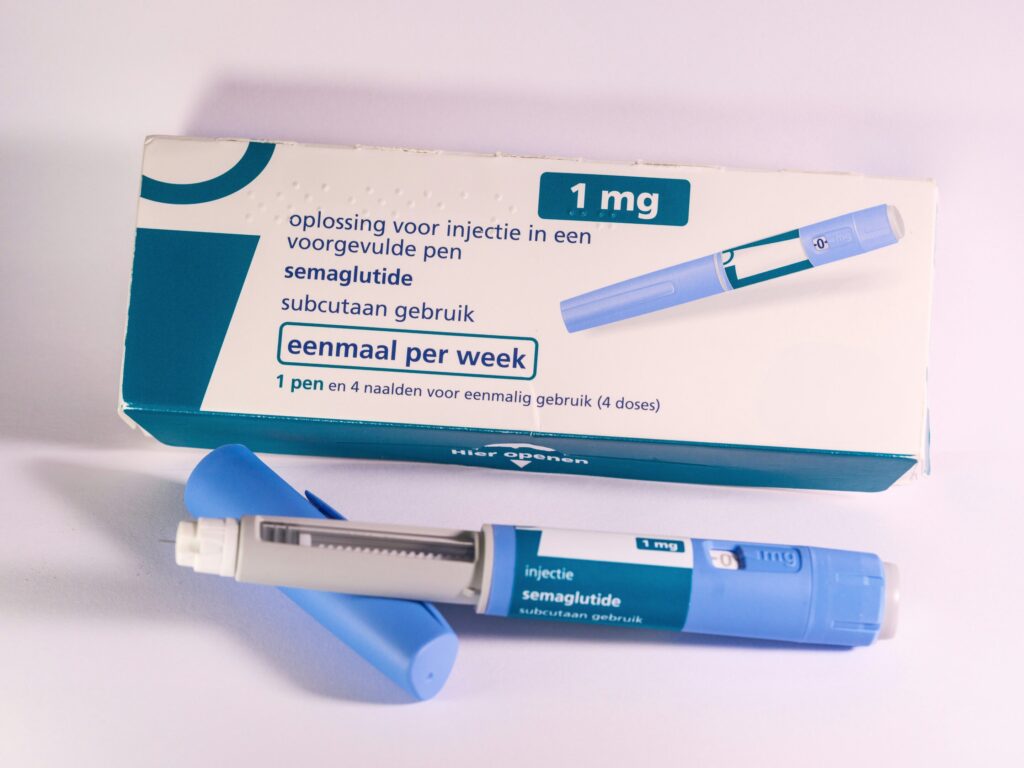
New research presented at the Annual Meeting of the European Association for the Study of Diabetes (EASD) in Milan, Italy, Sept. 28–Oct. 2, found no link between semaglutide use and pancreatic cancer in nationwide registry data from Denmark, Sweden and Norway. The regulator-mandated post-authorization study was presented by Anton Pottegård, a professor at the University of Southern Denmark in Odense, and colleagues.
Semaglutide is a glucagon-like peptide-1 receptor agonist (GLP-1RA) indicated for the treatment of type 2 diabetes mellitus (T2DM) and weight management. A risk of pancreatic cancer has been hypothesized for incretin-mimetic antidiabetic drugs, including GLP-1RAs.
The hypothesis arose from early safety signals in adverse event reporting systems and preclinical studies in rodents showing cellular changes in pancreatic tissue. Because GLP-1 medications stimulate the pancreas and were occasionally linked to acute pancreatitis in early case reports, researchers also questioned whether chronic inflammation could eventually elevate cancer risk.
As part of the original approval process for semaglutide (Wegovy/Ozempic), regulators requested a post-authorization safety study to estimate the risk of pancreatic cancer associated with semaglutide use compared with other non-incretin drugs used to treat T2DM.
Using nationwide health registries from Denmark, Sweden and Norway, the researchers conducted an active-comparator, new-user cohort study examining the risk of pancreatic cancer in new users of semaglutide for T2DM versus matched new users of non-incretin antidiabetic drugs (sulfonylureas, SGLT-2 inhibitors, or insulin). Eligible patients started semaglutide or an active comparator and filled at least two prescriptions within the first year. Follow-up began one year after treatment started.
The primary outcome was a new diagnosis of pancreatic cancer. Country-specific hazard ratios (HRs) and incidence rate differences (IRDs) were estimated and pooled across countries using a fixed-effects meta-analysis. The researchers performed extensive sensitivity and supplementary analyses to assess the robustness of the findings.
In total, 97,464 semaglutide users were included, with patient characteristics well balanced against those of a matched control cohort. Among semaglutide users, median age ranged from 59 to 62 years, with mean follow-up after the 1-year lag period of 1.40–1.85 years.
A total of 131 pancreatic cancer cases occurred among semaglutide users and 123 among active comparator users (across 167,399 and 140,306 person-years of follow-up, respectively). Incidence rates were similar between groups across countries, ranging from 0.64 to 0.91 per 1,000 people per year among semaglutide users and 0.80 to 0.98 among active comparator users.
Semaglutide use was not associated with an increased risk of pancreatic cancer compared with active comparators in any country (hazard ratio 1.00 [95% confidence interval 0.66–1.51] in Denmark, 0.82 [95% CI 0.56–1.22] in Sweden, and 0.91 [95% CI 0.55–1.51] in Norway). Pooled estimates also showed no increased risk (pooled HR 0.91 [95% CI 0.71–1.16] and incidence rate difference [IRD, or absolute risk] −0.10 [95% CI −0.31 to 0.10] per 1,000 person-years).
No cumulative dose-response or dose-duration effects were observed (pooled HR for high dose: 0.74 [95% CI 0.40–1.40]; pooled HR for long duration: 0.79 [95% CI 0.37–1.69]). Sensitivity and supplementary analyses consistently showed no increased risk.
Pottegård concludes, “This comprehensive study, using nationwide registry data from three countries, found no increased risk of pancreatic cancer with use of semaglutide as compared to use of other glucose-lowering drugs used at a similar stage as semaglutide in the treatment of T2DM.
“This conclusion was supported by the absence of a cumulative dose-response or dose-duration effect, consistent findings in the individual countries and in a wide range of supplementary and sensitivity analyses. These findings also align with current external evidence and thus further strengthen the evidence that semaglutide does not increase the risk of pancreatic cancer.”
Provided by
European Association for the Study of Diabetes
Who’s behind this story?


Citation:
Regulator-mandated study finds no link between semaglutide use and pancreatic cancer (2026, September 28)
retrieved 29 September 2026
from https://medicalxpress.com/news/2026-09-mandated-link-semaglutide-pancreatic-cancer.html
This document is subject to copyright. Apart from any fair dealing for the purpose of private study or research, no
part may be reproduced without the written permission. The content is provided for information purposes only.

Khamrah by Lattafa for Men - 3.4 oz EDP Spray
4% Off
Ghost Sweetheart Eau de Toilette | Pineapple, Jasmine and Sandalwood | Perfume for Women 50 ml
50% Off
Marc Jacobs Dot Eau De Parfum for Women, 100 ml
42% Off
Ted Baker W Eau de Toilette for Her, Fig Leaf, White Peony and Violet Top Notes, Pink Orchid and Raspberry Middle Notes, 75ml
£11.77 (£15.69 / 100 ml) (as of 22/10/2026 06:37 GMT +01:00 - More infoProduct prices and availability are accurate as of the date/time indicated and are subject to change. Any price and availability information displayed on [relevant Amazon Site(s), as applicable] at the time of purchase will apply to the purchase of this product.)
Ted Baker Woman Pink Eau de Toilette Spray Floral Green Feminine Fragrance, Opening Notes are Fresh Peach, Bergamot and Tangerine with Warm Musk, Vanilla and Vetiver Base, 100ml
11% Off
Vera Wang Princess Eau de Toilette - 30 ml

Choco Musk 50ml Eau De Parfum for men and women | Chocolate Musk by Jannat Aromas
17% Off
Christina Aguilera Signature Eau de Parfum (50ml) Floral, Fruity & Exotic Scent, Luxury Fragrance for Women
9% Off
Calvin Klein - Eau De Toilette CKIN2U - Calvin Klein Women, Ladies Perfume, Women's Perfume, Calvin Klein Perfume, Calvin Klein One - 150 ml
5% Off
Jimmy Choo Flash Eau de Parfum, 60 ml (Pack of 1)
3% Off
Fruit of the Loom Men's Heavy T Shirt, White, XL UK
28% Off
ATNKE LED Lighted Beanie Cap,USB Rechargeable Running Hat Ultra Bright 4 LED Waterproof Light Winter Warm Gifts for Men and Women/Pink
17% Off
Men's 1/4 Zip Pullover UK Sale Clearance, Fleece Sweatshirt Casual Jumper Long Sleeve T-shirt Top Stand Collar Sweater Plain Pullover Sports Leisure Workwear Quarter Zip Sweater Lightweight Jumpers
£5.88 (as of 12/11/2025 00:52 GMT +01:00 - More infoProduct prices and availability are accurate as of the date/time indicated and are subject to change. Any price and availability information displayed on [relevant Amazon Site(s), as applicable] at the time of purchase will apply to the purchase of this product.)
Crevice Cleaning Brush, Bathroom Tile Groove Gap Cleaning Brush,Premium Crevice Cleaning Tool Aluminum Support with 15° Angle Magic Brush, Thin Brush for Home Kitchen
19% Off
Wireless Earbuds, Bluetooth 5.3 Headphones in Ear with HiFi Stereo Deep Bass, 4 ENC Noise Cancelling Mic Wireless Earphones 40H Playtime, Bluetooth Earbuds Dual LED Display, IP7 Waterproof, USB-C
42% Off