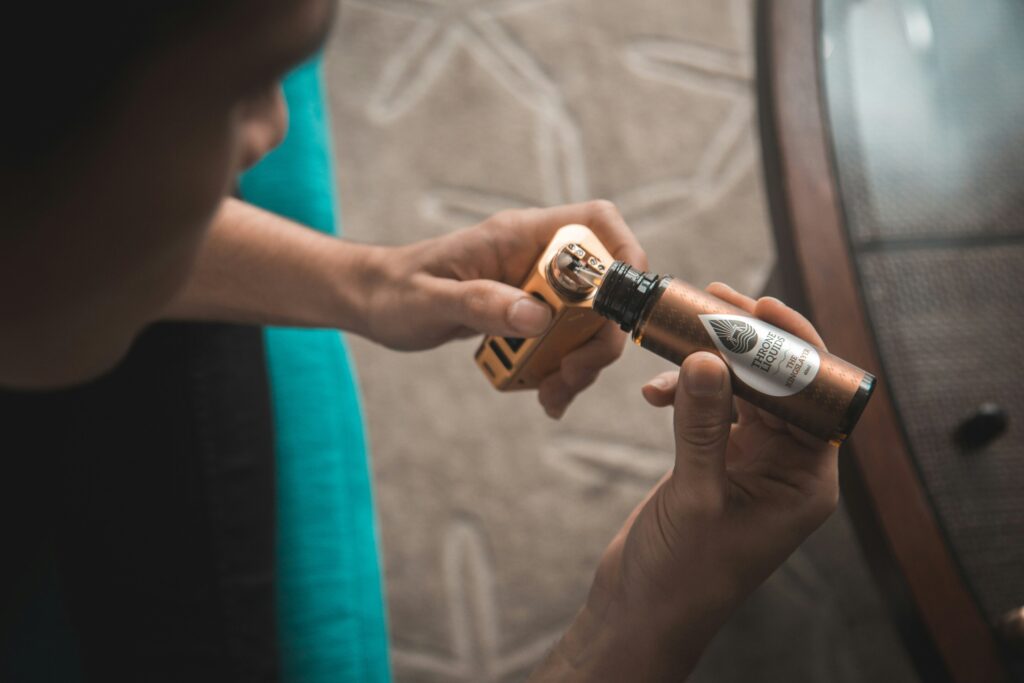

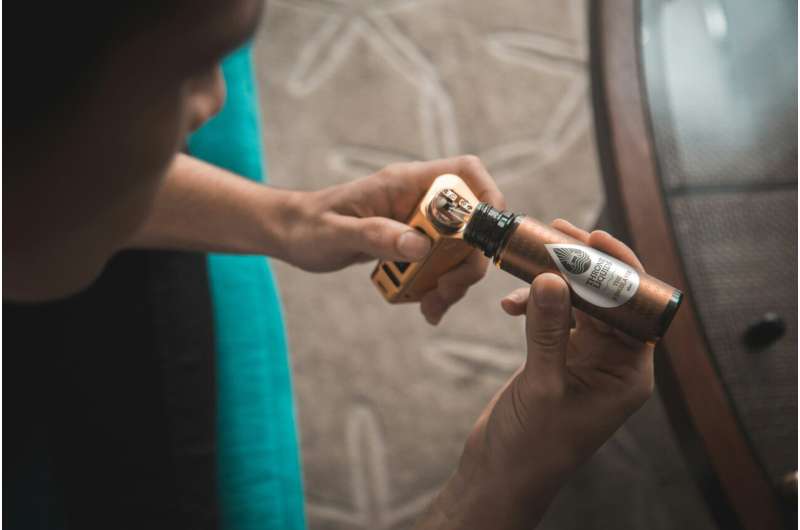
Frequent teen vaping might boost the risk of exposure to lead and uranium, potentially harming brain and organ development, suggests research published online in the journal Tobacco Control.
The findings underscore the need for implementation of regulations and prevention efforts targeting teens, emphasize the researchers.
Vaping is popular with teens. In 2022, an estimated 14% of US high school students—around 2.14 million—and more than 3% of middle school students—around 380,000—reported vaping in the preceding month, note the researchers.
Certain metals have been identified in e-cigarette aerosols and liquids. Their absorption is especially harmful during periods of development, say the researchers, citing research showing that increased levels of exposure are linked to cognitive impairment, behavioral disturbances, respiratory complications, cancer, and cardiovascular disease in children.
The researchers wanted to find out whether potentially toxic metal levels might be associated with vaping frequency and whether flavor might be influential.
They drew on responses to the nationally representative Wave 5 (December 2018 to November 2019) of the PATH Youth Study, involving 1607 teens between the ages of 13 and 17. After exclusions, 200 vapers were included in the final analysis.
Their urine samples were tested for the presence of cadmium, lead, and uranium, and vaping frequency was designated as occasional (1–5 days/month), intermittent (6–19 days), and frequent (20+ days).
Vape flavors were grouped into four mutually exclusive categories: menthol or mint; fruit; sweet, such as chocolate or desserts; and others, such as tobacco, clove or spice, and alcoholic or non-alcoholic drinks.
Among the 200 exclusive vapers (63% female), 65 reported occasional use, 45 intermittent, and 81 frequent use; vaping frequency information was missing for 9.
The average number of recent puffs per day increased in tandem with vaping frequency: occasional = 0.9 puffs; intermittent = 7.9 puffs; frequent = 27 puffs.
In the preceding 30 days 1 in 3 (33%) vapers said they used menthol/mint flavors; half (50%) favored fruit flavors; just over 15% opted for sweet flavors; and 2% used other flavors.
Analysis of the urine samples showed that lead levels were 40% higher among intermittent vapers, and 30% higher among frequent vapers than they were among occasional vapers. Urinary uranium levels were also twice as high among frequent vapers than among occasional vapers
Comparison of flavor types indicated 90% higher uranium levels among vapers who preferred sweet flavors than among those opting for menthol/mint.
No statistically significant differences were found in urinary cadmium levels between vaping frequency or flavor types.
This is an observational study, and as such no definitive conclusions can be drawn about toxic metal levels and vaping frequency/flavors, acknowledge the researchers, who also caution that the levels of toxic metals in vapes will vary by brand and type of vaporizer used (tank, pod, mod).
Although urinary levels indicate chronic exposure, they were assessed at just one point in time, added to which the presence of uranium in the urine may be attributable to various sources including environmental exposure from natural deposits, industrial activities, and dietary intake, they add.
“Nonetheless, these compounds are known to cause harm in humans,” they write. Of particular concern were the increased uranium levels found within the sweet flavor category, they add.
“Candy-flavored e-cigarette products make up a substantial proportion of adolescent vapers, and sweet taste in e-cigarettes can suppress the harsh effects of nicotine and enhance its reinforcing effects, resulting in heightened brain cue-reactivity.”
And they conclude, “E-cigarette use during adolescence may increase the likelihood of metal exposure, which could adversely affect brain and organ development.
“These findings call for further research, vaping regulation, and targeted public health interventions to mitigate the potential harms of e-cigarette use, particularly among adolescents.”
More information:
Biomarkers of metal exposure in adolescent e-cigarette users: correlations with vaping frequency and flavouring, Tobacco Control (2024). DOI: 10.1136/tc-2023-058554
Citation:
Frequent teen vaping might boost risk of toxic lead and uranium exposure (2024, April 29)
retrieved 29 April 2024
from https://medicalxpress.com/news/2024-04-frequent-teen-vaping-boost-toxic.html
This document is subject to copyright. Apart from any fair dealing for the purpose of private study or research, no
part may be reproduced without the written permission. The content is provided for information purposes only.

Khamrah by Lattafa for Men - 3.4 oz EDP Spray
4% Off
Ghost Sweetheart Eau de Toilette | Pineapple, Jasmine and Sandalwood | Perfume for Women 50 ml
50% Off
Marc Jacobs Dot Eau De Parfum for Women, 100 ml
42% Off
Ted Baker W Eau de Toilette for Her, Fig Leaf, White Peony and Violet Top Notes, Pink Orchid and Raspberry Middle Notes, 75ml
£11.77 (£15.69 / 100 ml) (as of 03/10/2026 05:09 GMT +01:00 - More infoProduct prices and availability are accurate as of the date/time indicated and are subject to change. Any price and availability information displayed on [relevant Amazon Site(s), as applicable] at the time of purchase will apply to the purchase of this product.)
Ted Baker Woman Pink Eau de Toilette Spray Floral Green Feminine Fragrance, Opening Notes are Fresh Peach, Bergamot and Tangerine with Warm Musk, Vanilla and Vetiver Base, 100ml
11% Off
Vera Wang Princess Eau de Toilette - 30 ml

Choco Musk 50ml Eau De Parfum for men and women | Chocolate Musk by Jannat Aromas
17% Off
Christina Aguilera Signature Eau de Parfum (50ml) Floral, Fruity & Exotic Scent, Luxury Fragrance for Women
9% Off
Calvin Klein - Eau De Toilette CKIN2U - Calvin Klein Women, Ladies Perfume, Women's Perfume, Calvin Klein Perfume, Calvin Klein One - 150 ml
5% Off
Jimmy Choo Flash Eau de Parfum, 60 ml (Pack of 1)
3% Off
Fruit of the Loom Men's Heavy T Shirt, White, XL UK
28% Off
ATNKE LED Lighted Beanie Cap,USB Rechargeable Running Hat Ultra Bright 4 LED Waterproof Light Winter Warm Gifts for Men and Women/Pink
17% Off
Men's 1/4 Zip Pullover UK Sale Clearance, Fleece Sweatshirt Casual Jumper Long Sleeve T-shirt Top Stand Collar Sweater Plain Pullover Sports Leisure Workwear Quarter Zip Sweater Lightweight Jumpers
£5.88 (as of 12/11/2025 00:52 GMT +01:00 - More infoProduct prices and availability are accurate as of the date/time indicated and are subject to change. Any price and availability information displayed on [relevant Amazon Site(s), as applicable] at the time of purchase will apply to the purchase of this product.)
Crevice Cleaning Brush, Bathroom Tile Groove Gap Cleaning Brush,Premium Crevice Cleaning Tool Aluminum Support with 15° Angle Magic Brush, Thin Brush for Home Kitchen
19% Off
Wireless Earbuds, Bluetooth 5.3 Headphones in Ear with HiFi Stereo Deep Bass, 4 ENC Noise Cancelling Mic Wireless Earphones 40H Playtime, Bluetooth Earbuds Dual LED Display, IP7 Waterproof, USB-C
42% Off