


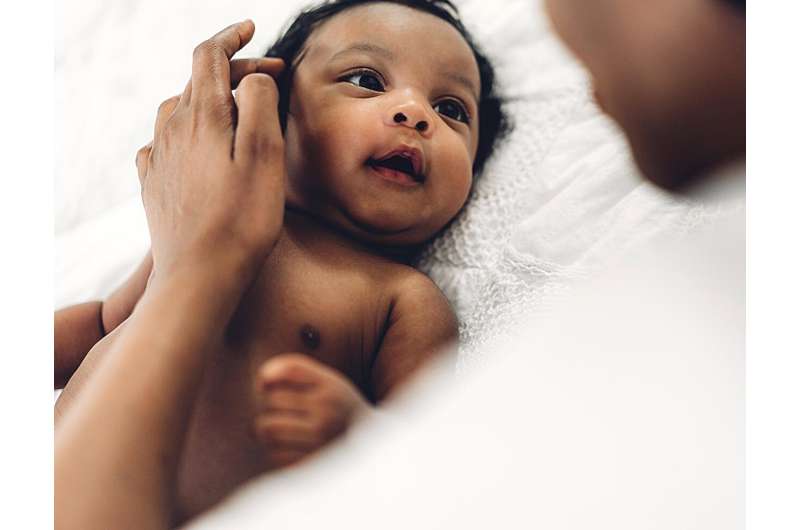
Pregnant women enrolled in a federal aid program have better outcomes than those who are struggling to put food on the table, new research shows.
More than 1 in 10 households nationwide lack access to adequate and nutritious food, U.S. government data show.
The U.S. Special Supplemental Nutrition Program for Women, Infants and Children (WIC) provides food aid for low-income women who are pregnant, or who have recently delivered or are breastfeeding, and their children. WIC also helps with referrals to health care and social services.
The new study, from a team at Ohio State University, found that women enrolled in WIC had a lower risk of poor pregnancy outcomes. Those outcomes included gestational diabetes, blood transfusion, preterm birth and stays in intensive care for mom and baby alike.
The study dovetails with concerns about Congressional proposals to slash WIC funding for the first time.
“Food insecurity is a major issue in the U.S. with food prices up,” said lead researcher Dr. Kartik Venkatesh, director of the Diabetes in Pregnancy Program at Ohio State’s Wexner Medical Center. “In an era in which WIC enrollment has gone down, data from our study prove the relationship between WIC and improved pregnancy health.”
For the study, his team looked at nationwide enrollment in WIC of 18- to 44-year-olds who were pregnant for the first time between 2016 and 2019 as well as their babies. Only those who were U.S. residents and were covered by Medicaid, the government health insurance program for low-income Americans, were included.
In all, data for 1.9 million people in 3,120 U.S. counties were analyzed.
The analysis found that WIC enrollment fell from 73 per 100 live births in 2016 to 66 per 100 in 2019.
But in counties where WIC enrollment rose, there was an average 50% drop in ICU admission for the parent and 30% drops in both gestational diabetes and blood transfusions at birth. Among the babies in those counties, preterm births were nearly 30% lower and there were 20% fewer ICU admissions.
“This study shows that programs like WIC work,” study co-author Dr. William Grobman, a maternal fetal medicine specialist, said in an university news release.
Next step, Venkatesh said, is to see what OSU can do to connect people with food insecurity to WIC and other social services.
The findings were published June 27 in the journal Obstetrics & Gynecology.
“We want to develop interventions to understand the best way to address social needs as part of pregnancy care so we can improve outcomes for families,” Venkatesh said.
More information:
The U.S. Department of Agriculture Economic Research Service explains the difference between food insecurity and food insufficiency.
Copyright © 2024 HealthDay. All rights reserved.
Citation:
Federal WIC program may boost pregnancy outcomes for women, newborns (2024, July 7)
retrieved 7 July 2024
from https://medicalxpress.com/news/2024-07-federal-wic-boost-pregnancy-outcomes.html
This document is subject to copyright. Apart from any fair dealing for the purpose of private study or research, no
part may be reproduced without the written permission. The content is provided for information purposes only.

Khamrah by Lattafa for Men - 3.4 oz EDP Spray
4% Off
Ghost Sweetheart Eau de Toilette | Pineapple, Jasmine and Sandalwood | Perfume for Women 50 ml
50% Off
Marc Jacobs Dot Eau De Parfum for Women, 100 ml
42% Off
Ted Baker W Eau de Toilette for Her, Fig Leaf, White Peony and Violet Top Notes, Pink Orchid and Raspberry Middle Notes, 75ml
£11.77 (£15.69 / 100 ml) (as of 28/09/2026 05:08 GMT +01:00 - More infoProduct prices and availability are accurate as of the date/time indicated and are subject to change. Any price and availability information displayed on [relevant Amazon Site(s), as applicable] at the time of purchase will apply to the purchase of this product.)
Ted Baker Woman Pink Eau de Toilette Spray Floral Green Feminine Fragrance, Opening Notes are Fresh Peach, Bergamot and Tangerine with Warm Musk, Vanilla and Vetiver Base, 100ml
11% Off
Vera Wang Princess Eau de Toilette - 30 ml

Choco Musk 50ml Eau De Parfum for men and women | Chocolate Musk by Jannat Aromas
17% Off
Christina Aguilera Signature Eau de Parfum (50ml) Floral, Fruity & Exotic Scent, Luxury Fragrance for Women
9% Off
Calvin Klein - Eau De Toilette CKIN2U - Calvin Klein Women, Ladies Perfume, Women's Perfume, Calvin Klein Perfume, Calvin Klein One - 150 ml
5% Off
Jimmy Choo Flash Eau de Parfum, 60 ml (Pack of 1)
3% Off
Fruit of the Loom Men's Heavy T Shirt, White, XL UK
28% Off
ATNKE LED Lighted Beanie Cap,USB Rechargeable Running Hat Ultra Bright 4 LED Waterproof Light Winter Warm Gifts for Men and Women/Pink
17% Off
Men's 1/4 Zip Pullover UK Sale Clearance, Fleece Sweatshirt Casual Jumper Long Sleeve T-shirt Top Stand Collar Sweater Plain Pullover Sports Leisure Workwear Quarter Zip Sweater Lightweight Jumpers
£5.88 (as of 12/11/2025 00:52 GMT +01:00 - More infoProduct prices and availability are accurate as of the date/time indicated and are subject to change. Any price and availability information displayed on [relevant Amazon Site(s), as applicable] at the time of purchase will apply to the purchase of this product.)
Crevice Cleaning Brush, Bathroom Tile Groove Gap Cleaning Brush,Premium Crevice Cleaning Tool Aluminum Support with 15° Angle Magic Brush, Thin Brush for Home Kitchen
19% Off
Wireless Earbuds, Bluetooth 5.3 Headphones in Ear with HiFi Stereo Deep Bass, 4 ENC Noise Cancelling Mic Wireless Earphones 40H Playtime, Bluetooth Earbuds Dual LED Display, IP7 Waterproof, USB-C
42% Off