 [
[

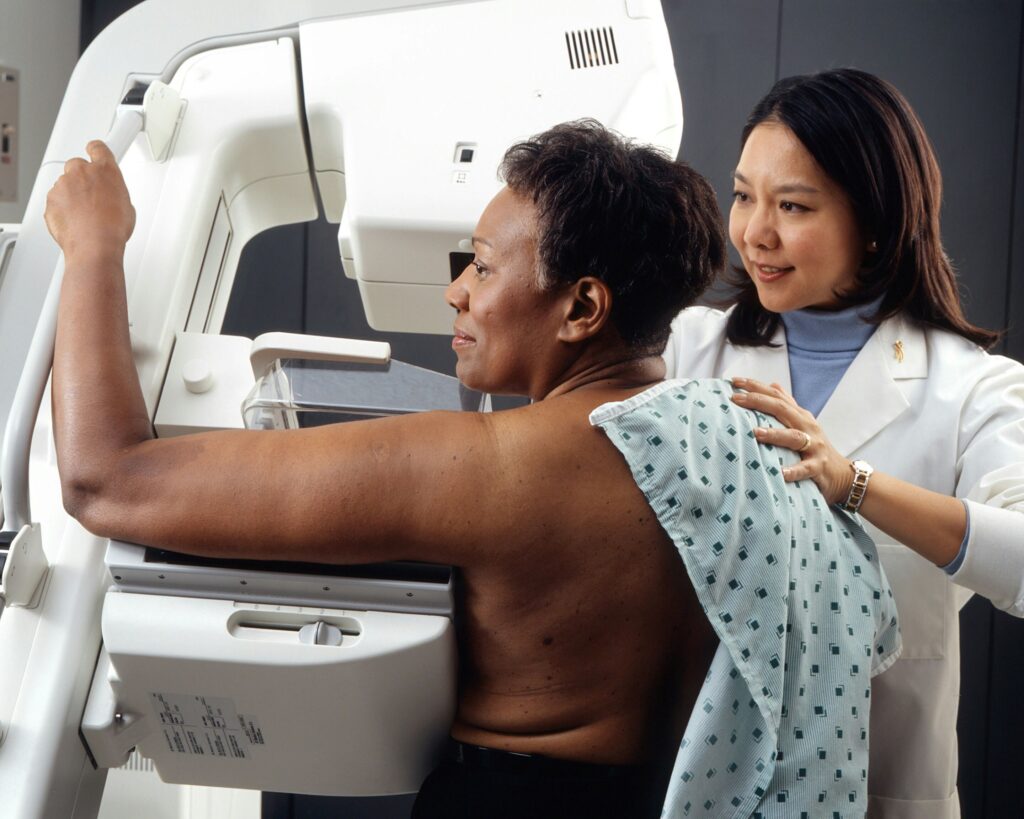
Black African and Black Caribbean women in the UK want clearer and more accessible information about breast cancer screening, according to a study from the University of Surrey.
Surrey researchers sought to understand why Black women are less likely to attend breast cancer screening than their white female counterparts. Focus groups and interviews were conducted with 47 Black African and Caribbean women ages 50–71. The age group routinely invited for NHS breast screening, to learn why only 45% of Black women take part in screening, compared with 63% of white women. This study was published in the British Journal of Cancer
Lead author of the paper Anietie Aliu, a postgraduate researcher at the University of Surrey and a registered nurse, said, “Diagnosing breast cancer early can dramatically improve a person’s chance of survival. Breast cancer screening plays an important role in this by identifying the cancer and ensuring a person receives speedy treatment.
“Despite the importance of screening, Black women are less likely to attend appointments than white females. This puts them at risk of a potential cancer being diagnosed late and spreading to other areas of the body. We need to understand what is preventing Black women from attending these appointments and help identify ways to remove such barriers.”
The study found a need to increase awareness of breast cancer screening, especially for women who are less familiar with this service. Some women, particularly those born outside the UK, had limited knowledge of breast screening before receiving their first invitation. Others questioned why screening was needed when they had no symptoms.
The importance of trusted conversations among this group was also identified.
Researchers found that some Black women expected their GPs to talk to them about breast screening, particularly before they reached screening age. Although breast screening is organized through national screening services, researchers noted that GPs often have established relationships with patients and may be better placed to provide brief, opportunistic advice about preventive care, including breast screening information for women.
To improve knowledge and attendance at screening appointments, participants suggested stronger links among GP practices, breast screening services and Black community champions so women can receive trusted information, ask questions and feel reassured.
Researchers also found that faith and religious beliefs influenced the decision-making of some of the women. For instance, some Black African Christians maintained that illness, including cancer, was not permitted by God in their bodies. Others saw screening as a personal choice that does not conflict with Christian faith.
Muslim women noted the importance of indicating their religion on the medical appointment form to ensure a female mammographer, highlighting that religious beliefs can play a role in a woman’s decision to attend screening.
Aliu added, “Breast screening can save lives, but our findings show that attendance is shaped by multiple factors, not just awareness, although awareness remains important. Women need relatable screening information, reassurance, flexible appointments and services that are accessible within their communities. Many felt that invitation letters were too formal, and that leaflets and media imagery did not reflect them, making it harder to relate to screening.”
Dr. Afrodita Marcu, a senior research fellow at the University of Surrey and member of the research team, added, “We need a more collaborative approach, where primary care, screening services and community voices work together to support women before, during and after the invitation.”
Researchers noted that future interventions for breast cancer screening need to be designed with Black women, rather than for them. They emphasized that user-friendly, culturally relevant resources developed in partnership with communities, health care professionals and screening services could help improve understanding, reduce fear and make breast screening feel more accessible and reassuring.
Dr. Robert Kerrison, associate professor of cancer care at the University of Surrey and also part of the research team, said, “There is no question that breast screening can be lifesaving, but we need to make it easier for women to understand, access and feel reassured by the program. This means improving communication, addressing practical barriers and making sure health care professionals and community partners are supported to provide clear and trusted information.”
Building on these findings, the research team has also explored health care professionals’ perspectives and worked with stakeholders to develop user-friendly intervention materials with Black women. Researchers believe this kind of co-designed approach is important because it ensures that breast screening messages are culturally relevant, practical and shaped by the people they are intended to support.
Publication details
Black women’s decisions about participating in breast cancer screening in the UK: A qualitative study, British Journal of Cancer (2026). DOI: 10.1038/s41416-026-03551-6
Journal information:
British Journal of Cancer
Key medical concepts


Citation:
Black women need more help in accessing breast cancer screening (2026, July 15)
retrieved 15 July 2026
from https://medicalxpress.com/news/2026-07-black-women-accessing-breast-cancer.html
This document is subject to copyright. Apart from any fair dealing for the purpose of private study or research, no
part may be reproduced without the written permission. The content is provided for information purposes only.

Khamrah by Lattafa for Men - 3.4 oz EDP Spray
4% Off
Ghost Sweetheart Eau de Toilette | Pineapple, Jasmine and Sandalwood | Perfume for Women 50 ml
50% Off
Marc Jacobs Dot Eau De Parfum for Women, 100 ml
42% Off
Ted Baker W Eau de Toilette for Her, Fig Leaf, White Peony and Violet Top Notes, Pink Orchid and Raspberry Middle Notes, 75ml
£11.77 (£15.69 / 100 ml) (as of 16/07/2026 03:58 GMT +01:00 - More infoProduct prices and availability are accurate as of the date/time indicated and are subject to change. Any price and availability information displayed on [relevant Amazon Site(s), as applicable] at the time of purchase will apply to the purchase of this product.)
Ted Baker Woman Pink Eau de Toilette Spray Floral Green Feminine Fragrance, Opening Notes are Fresh Peach, Bergamot and Tangerine with Warm Musk, Vanilla and Vetiver Base, 100ml
11% Off
Vera Wang Princess Eau de Toilette - 30 ml

Choco Musk 50ml Eau De Parfum for men and women | Chocolate Musk by Jannat Aromas
17% Off
Christina Aguilera Signature Eau de Parfum (50ml) Floral, Fruity & Exotic Scent, Luxury Fragrance for Women
9% Off
Calvin Klein - Eau De Toilette CKIN2U - Calvin Klein Women, Ladies Perfume, Women's Perfume, Calvin Klein Perfume, Calvin Klein One - 150 ml
5% Off
Jimmy Choo Flash Eau de Parfum, 60 ml (Pack of 1)
3% Off
Fruit of the Loom Men's Heavy T Shirt, White, XL UK
28% Off
ATNKE LED Lighted Beanie Cap,USB Rechargeable Running Hat Ultra Bright 4 LED Waterproof Light Winter Warm Gifts for Men and Women/Pink
17% Off
Men's 1/4 Zip Pullover UK Sale Clearance, Fleece Sweatshirt Casual Jumper Long Sleeve T-shirt Top Stand Collar Sweater Plain Pullover Sports Leisure Workwear Quarter Zip Sweater Lightweight Jumpers
£5.88 (as of 12/11/2025 00:52 GMT +01:00 - More infoProduct prices and availability are accurate as of the date/time indicated and are subject to change. Any price and availability information displayed on [relevant Amazon Site(s), as applicable] at the time of purchase will apply to the purchase of this product.)
Crevice Cleaning Brush, Bathroom Tile Groove Gap Cleaning Brush,Premium Crevice Cleaning Tool Aluminum Support with 15° Angle Magic Brush, Thin Brush for Home Kitchen
19% Off
Wireless Earbuds, Bluetooth 5.3 Headphones in Ear with HiFi Stereo Deep Bass, 4 ENC Noise Cancelling Mic Wireless Earphones 40H Playtime, Bluetooth Earbuds Dual LED Display, IP7 Waterproof, USB-C
42% Off