
 [
[
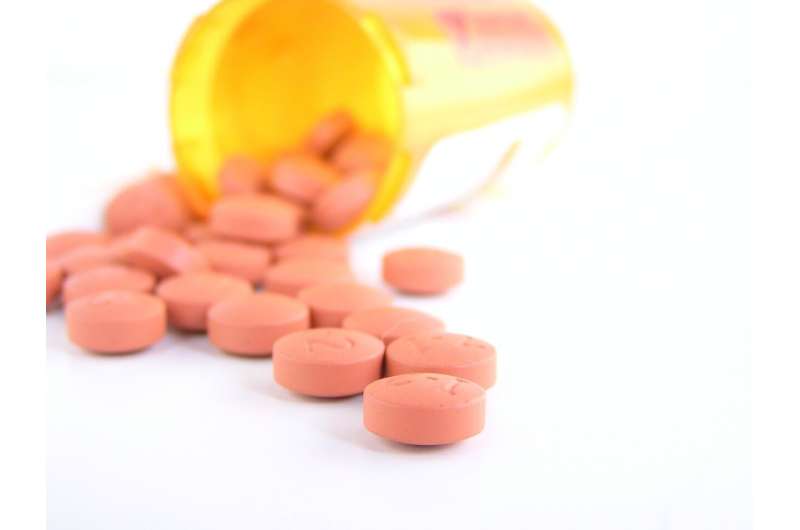
Differences in people’s genes can affect how they respond to medications, including how well a drug works and the chances of side effects. About 1 in 10 of prescriptions given to patients outside the hospital don’t work as well as they should because of differences in people’s genes, according to a review of U.S. studies by UC San Francisco health economics professor Kathryn Phillips, Ph.D., and colleagues.
That’s why, in 2023, UCSF launched the first academic medical center program in California to implement preemptive pharmacogenetic testing with automated clinical decision support for specific drug–gene interactions.
The program, led in part by Clinical Pharmacy Associate Professor Bani Tamraz, PharmD, Ph.D., associate professor at the School of Pharmacy, aims to improve medication use by putting genetic information at prescribers’ fingertips to reduce side effects and to select the most effective drug and dose for each patient. Tamraz explains how UCSF is advancing the clinical integration of pharmacogenetics and shaping its broader adoption.
What is pharmacogenetics?
Pharmacogenetics looks at how a person’s DNA affects how they process medication. Some people have genetic variations that mean they break down drugs too quickly, others too slowly, and some may not process them at all. This can lead to drugs not working as expected, requiring dose adjustments or increasing the risk of side effects.
Pharmacogenetics can help the right patient get the right drug. For me, it’s like having a seat belt for medications—it adds an extra layer of safety and guidance when making prescribing decisions.
How common are genetic variations like these?
The vast majority of people carry at least one genetic variant that affects how they respond to medicine. In fact, most people have multiple variants that can affect commonly prescribed drugs.
At UCSF, we currently test for 15 genes that affect 56 medications for conditions such as cancer, transplantation, and pain. To date, we have genotyped nearly 2,500 patients through the UCSF Clinical Pharmacogenomics Program. In an analysis of 1,500 patients, all had at least one genetic variant relevant to medication use. Similar patterns are seen at the population level. A large U.K. study of 487,409 participants found that 99.5% carried at least one actionable pharmacogenetic variant, and nearly 10% had been prescribed medicine that may not have been the best choice for them.
Describe some drugs that could be in our medicine cabinets that have gene–drug interactions.
Common antidepressants; blood thinners, like clopidogrel; pain medications, like codeine and ibuprofen; and even statins that many people take for cholesterol.
How is pharmacogenetics changing care at UCSF?
We started the program because the science was ready, but patients weren’t benefiting from it at scale. Our goal was to move pharmacogenetics from a research concept into routine care.
In the last year, we’ve delivered more than 19,000 pharmacogenetic alerts tied to patients’ genetic results, helping guide physicians’ prescribing. Those alerts fire when a provider is about to prescribe a medicine to a patient who has been genotyped and has a drug-gene interaction. These alerts notify providers when a patient has a drug-gene interaction at the point of prescribing and prompt consideration of alternate medications or dose adjustments.
I’ve heard a lot of positive feedback from clinicians about the program’s usefulness. We’re focusing on quantifying the benefits in research slated to be published in the coming year.
Can you explain how UCSF helps to ensure that more Californians have access to these services?
From the beginning, equity has been central to our approach to pharmacogenetics. I provided expert testimony to the California Assembly Health Committee on the value of pharmacogenetics. A bill to support this passed the state legislature unanimously, making California the first state to cover pharmacogenetic testing for recipients of Medicaid, also known as Medi-Cal.
Soon-to-be published, preliminary data here at UCSF show that our patients had equal access to testing regardless of race, age, gender, or insurance status. I’m proud that, at UCSF, we believe that precision medicine should benefit everyone.
What made UCSF ripe for a program like this?
We have a culture of collaboration supported by a unique combination of strengths: clinical pharmacy, genetics, a health system deeply integrated with research, and leadership with the vision to bring it all together. Pharmacogenetics doesn’t belong to a single field—it depends on pharmacists, physicians, nurses, geneticists, and informatics experts working together. Bringing this program to life took a 23-person, cross-disciplinary team over two years.
What’s next for the pharmacogenetics program at UCSF?
Pharmacogenetics is no longer a future concept—it’s something we are already implementing in clinical care at UCSF. The next phase is focused on scaling and refining the program to expand. This includes expanding testing to additional genes and drug pairs and continuing to improve turnaround time through investment in laboratory infrastructure.
We’re also focused on training the next generation of clinicians, so that pharmacogenetics becomes a routine part of care. A major priority is rigorously evaluating clinical impact and patient outcomes at UCSF—work that is essential to demonstrate value and guide broader adoption.
All of this requires continued investment in systems, infrastructure, and research to evaluate outcomes and refine implementation.
At UCSF, we’re generating the evidence and building the framework needed to allow more health systems to adopt pharmacogenetics so that, in the near future, patients aren’t just prescribed medications—they’re prescribed therapies tailored to their biology.
Key medical concepts
Clinical categories


Citation:
Are your meds and DNA a bad match? This test alerts clinicians (2026, May 12)
retrieved 12 May 2026
from https://medicalxpress.com/news/2026-05-meds-dna-bad-clinicians.html
This document is subject to copyright. Apart from any fair dealing for the purpose of private study or research, no
part may be reproduced without the written permission. The content is provided for information purposes only.

Khamrah by Lattafa for Men - 3.4 oz EDP Spray
4% Off
Ghost Sweetheart Eau de Toilette | Pineapple, Jasmine and Sandalwood | Perfume for Women 50 ml
50% Off
Marc Jacobs Dot Eau De Parfum for Women, 100 ml
42% Off
Ted Baker W Eau de Toilette for Her, Fig Leaf, White Peony and Violet Top Notes, Pink Orchid and Raspberry Middle Notes, 75ml
£11.77 (£15.69 / 100 ml) (as of 04/09/2026 04:57 GMT +01:00 - More infoProduct prices and availability are accurate as of the date/time indicated and are subject to change. Any price and availability information displayed on [relevant Amazon Site(s), as applicable] at the time of purchase will apply to the purchase of this product.)
Ted Baker Woman Pink Eau de Toilette Spray Floral Green Feminine Fragrance, Opening Notes are Fresh Peach, Bergamot and Tangerine with Warm Musk, Vanilla and Vetiver Base, 100ml
11% Off
Vera Wang Princess Eau de Toilette - 30 ml

Choco Musk 50ml Eau De Parfum for men and women | Chocolate Musk by Jannat Aromas
17% Off
Christina Aguilera Signature Eau de Parfum (50ml) Floral, Fruity & Exotic Scent, Luxury Fragrance for Women
9% Off
Calvin Klein - Eau De Toilette CKIN2U - Calvin Klein Women, Ladies Perfume, Women's Perfume, Calvin Klein Perfume, Calvin Klein One - 150 ml
5% Off
Jimmy Choo Flash Eau de Parfum, 60 ml (Pack of 1)
3% Off
Fruit of the Loom Men's Heavy T Shirt, White, XL UK
28% Off
ATNKE LED Lighted Beanie Cap,USB Rechargeable Running Hat Ultra Bright 4 LED Waterproof Light Winter Warm Gifts for Men and Women/Pink
17% Off
Men's 1/4 Zip Pullover UK Sale Clearance, Fleece Sweatshirt Casual Jumper Long Sleeve T-shirt Top Stand Collar Sweater Plain Pullover Sports Leisure Workwear Quarter Zip Sweater Lightweight Jumpers
£5.88 (as of 12/11/2025 00:52 GMT +01:00 - More infoProduct prices and availability are accurate as of the date/time indicated and are subject to change. Any price and availability information displayed on [relevant Amazon Site(s), as applicable] at the time of purchase will apply to the purchase of this product.)
Crevice Cleaning Brush, Bathroom Tile Groove Gap Cleaning Brush,Premium Crevice Cleaning Tool Aluminum Support with 15° Angle Magic Brush, Thin Brush for Home Kitchen
19% Off
Wireless Earbuds, Bluetooth 5.3 Headphones in Ear with HiFi Stereo Deep Bass, 4 ENC Noise Cancelling Mic Wireless Earphones 40H Playtime, Bluetooth Earbuds Dual LED Display, IP7 Waterproof, USB-C
42% Off


