 [
[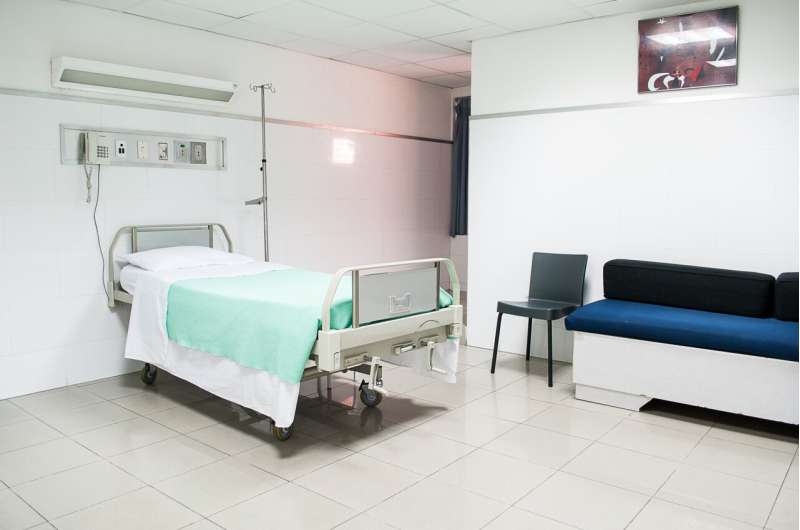
More than 200,000 hip and knee replacements are performed in the U.K. every year. They are usually performed only when conservative treatments such as physiotherapy, weight loss, and medications are no longer effective. The average length of hospital stay for knee or hip replacement surgery is currently 2.7 days.
The NHS guidelines recommend that most hip and knee replacements should be performed as day-cases, meaning patients leave the hospital on the same day as their operation and recover at home. However, fewer than 1% of patients are currently discharged on the day of their surgery.
Potential benefits of leaving the hospital on the day of the operation include faster recovery, reduced infection risk, improved patient experience, and shorter waiting lists for surgery, as hospitals can treat more patients with more beds becoming available. This approach can also create considerable cost savings for the NHS.
To address these challenges, the IDAPO study (Implementation of Day-case Hip and Knee Arthroplasty ensuring Optimal Patient Experience and Outcomes) seeks to understand why hip and knee replacement surgeries aren’t routinely delivered as day-case procedures and to help hospitals implement pathways that benefit patients.
This six-year NIHR Program Grant of £3.8 million is led by Dr. Ines Rombach, a senior medical statistician at the Clinical Trials Research Unit at the University of Sheffield, and Antony Palmer, a clinician scientist and orthopedic surgeon at Oxford University Hospitals and the University of Oxford.
Palmer says most patients who undergo day-case surgery are pleased with their experience. However, some patients and their support networks express reservations. Not everyone is suitable for day-case surgery for medical or social reasons.
“We have performed day-case surgeries for more than 10 years, and they are strongly encouraged by the NHS, yet only a very small portion of patients leave the hospital the same day. There is much to find out about day-case surgery, including patient and clinician views, barriers and facilitators of day-case surgery, and what represents the best clinical care for each individual.”
The study team will review existing research, examine current practices and outcomes of hip and knee joint replacement surgery in the U.K., and interview patients, their caregivers, and health care professionals. They will then design a day-case pathway, including training packages and resources for hospital staff and patients.
The new pathway will then be tested in a randomized controlled trial comparing it with the current standard care, which involves a hospital stay of at least one night.
If IDAPO is successful in developing an efficient day-case pathway, the study has the potential to save the NHS £40 million annually.
For more information about IDAPO, please visit the study webpage.
More information
Study: IDAPO: Implementation of Day-case Hip and Knee Arthroplasty ensuring Optimal Patient Experience and Outcomes
Key medical concepts
Clinical categories


Citation:
Home sooner, recovering better: Redesigning hip and knee surgery (2026, May 19)
retrieved 19 May 2026
from https://medicalxpress.com/news/2026-05-home-sooner-recovering-redesigning-hip.html
This document is subject to copyright. Apart from any fair dealing for the purpose of private study or research, no
part may be reproduced without the written permission. The content is provided for information purposes only.

Khamrah by Lattafa for Men - 3.4 oz EDP Spray
4% Off
Ghost Sweetheart Eau de Toilette | Pineapple, Jasmine and Sandalwood | Perfume for Women 50 ml
50% Off
Marc Jacobs Dot Eau De Parfum for Women, 100 ml
42% Off
Ted Baker W Eau de Toilette for Her, Fig Leaf, White Peony and Violet Top Notes, Pink Orchid and Raspberry Middle Notes, 75ml
£11.77 (£15.69 / 100 ml) (as of 20/05/2026 03:17 GMT +01:00 - More infoProduct prices and availability are accurate as of the date/time indicated and are subject to change. Any price and availability information displayed on [relevant Amazon Site(s), as applicable] at the time of purchase will apply to the purchase of this product.)
Ted Baker Woman Pink Eau de Toilette Spray Floral Green Feminine Fragrance, Opening Notes are Fresh Peach, Bergamot and Tangerine with Warm Musk, Vanilla and Vetiver Base, 100ml
11% Off
Vera Wang Princess Eau de Toilette - 30 ml

Choco Musk 50ml Eau De Parfum for men and women | Chocolate Musk by Jannat Aromas
17% Off
Christina Aguilera Signature Eau de Parfum (50ml) Floral, Fruity & Exotic Scent, Luxury Fragrance for Women
9% Off
Calvin Klein - Eau De Toilette CKIN2U - Calvin Klein Women, Ladies Perfume, Women's Perfume, Calvin Klein Perfume, Calvin Klein One - 150 ml
5% Off
Jimmy Choo Flash Eau de Parfum, 60 ml (Pack of 1)
3% Off
Fruit of the Loom Men's Heavy T Shirt, White, XL UK
28% Off
ATNKE LED Lighted Beanie Cap,USB Rechargeable Running Hat Ultra Bright 4 LED Waterproof Light Winter Warm Gifts for Men and Women/Pink
17% Off
Men's 1/4 Zip Pullover UK Sale Clearance, Fleece Sweatshirt Casual Jumper Long Sleeve T-shirt Top Stand Collar Sweater Plain Pullover Sports Leisure Workwear Quarter Zip Sweater Lightweight Jumpers
£5.88 (as of 12/11/2025 00:52 GMT +01:00 - More infoProduct prices and availability are accurate as of the date/time indicated and are subject to change. Any price and availability information displayed on [relevant Amazon Site(s), as applicable] at the time of purchase will apply to the purchase of this product.)
Crevice Cleaning Brush, Bathroom Tile Groove Gap Cleaning Brush,Premium Crevice Cleaning Tool Aluminum Support with 15° Angle Magic Brush, Thin Brush for Home Kitchen
19% Off
Wireless Earbuds, Bluetooth 5.3 Headphones in Ear with HiFi Stereo Deep Bass, 4 ENC Noise Cancelling Mic Wireless Earphones 40H Playtime, Bluetooth Earbuds Dual LED Display, IP7 Waterproof, USB-C
42% Off