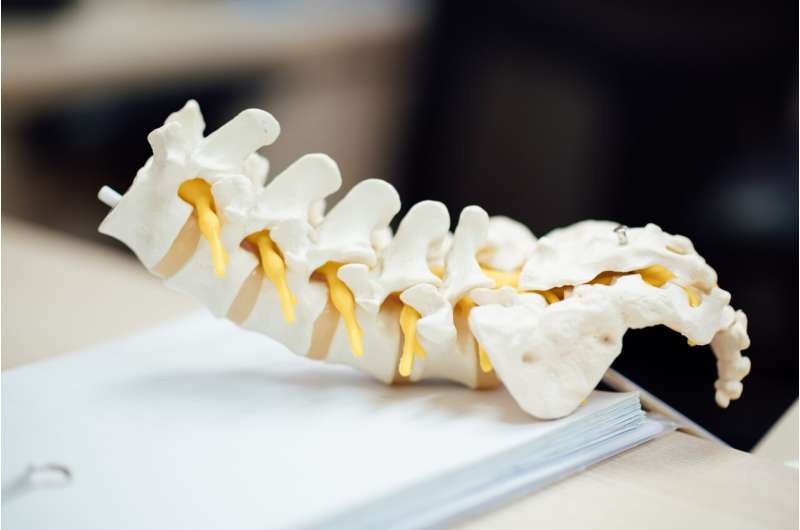
Findings from a recent study in the Journal of Neuromuscular Diseases demonstrate the effectiveness of disease-modifying treatments (DMTs) in infants with spinal muscular atrophy (SMA). The study’s results add further support for gene therapy as a treatment modality that can deliver durable transformative effects for these vulnerable patients.
SMA is a rare, debilitating neuromuscular disease characterized by loss of motor neurons, leading to progressive weakness and atrophy of skeletal and bulbar muscles. It has long been cited as the leading genetic cause of infant mortality, caused by the deletion or mutation of the survival motor neuron 1 (SMN1) gene.
However, prognoses have improved markedly in recent years, mainly owing to the advent of DMTs. Knowledge of these new treatments for SMA has been largely based on interventional trial data, which is limited by narrow eligibility criteria and limited follow-up duration. In this new study, real-world effectiveness and safety outcomes were assessed for patients following onasemnogene abeparvovec monotherapy, a gene therapy that replaces the missing SMN1 gene.
“When planning to deliver gene therapy to an infant with SMA, we need to be able to give evidence-based answers to parents’ questions. They want to know what the risks are as well as the chances for a child to be able to walk, sit, or be independent of ventilation within several years,” explains lead investigator Laurent Servais, MD, Ph.D., MDUK Oxford Neuromuscular Centre & NIHR Oxford Biomedical Research Centre, University of Oxford; and Neuromuscular Reference Center, Department of Paediatrics, University and University Hospital of Liège.
He adds, “Real-world data, i.e., data collected after approval in actual clinical use, has been crucial for filling knowledge gaps and demonstrating through clinical experience that onasemnogene abeparvovec is associated with improvements in motor function, bulbar function, and pulmonary function in a varied SMA patient population and over an extended period of observation.”
Although almost all cases of SMA have the same underlying genetic cause—a biallelic deletion or mutation in the SMN1 gene—clinical severity is heterogeneous, with varying copy number of the SMN2 “backup” gene being strongly correlated with disease onset and severity as an important phenotypic modifier of SMA.
Using data on 168 patients from RESTORE, a prospective, multicenter, multinational, observational registry that captures data from a variety of sources, investigators identified 80 patients (47.6%) with two and 70 (41.7%) with three copies of SMN2. Ninety-eight (58.3%) identified by newborn screening (NBS) had a lower age at final assessment (mean age 11.5 months) and greater mean final score on the Children’s Hospital of Philadelphia Infant Test of Neuromuscular Disorders (CHOP INTEND), compared with clinically diagnosed patients.
All patients maintained and/or achieved motor milestones, such as sitting without support for 10 seconds, crawling, and walking. Observed adverse events were consistent with the established safety profile of onasemnogene abeparvovec.
Because RESTORE provides data from a large SMA population, it can facilitate studying specific subgroups and providing answers to specific questions like what happens to patients with one copy of SMN2 and what is the benefit for patients on permanent ventilation.
“Another key finding from this study was the improved safety profile demonstrated for infants identified by NBS. Our data confirm other real-world and clinical study data that infants identified by NBS are diagnosed and assessed earlier and had a tendency for better outcomes when treated. This provides evidence to demonstrate that the early treatment opportunity offered by NBS can be transformative for patients,” Dr. Servais says.
More information:
Laurent Servais et al, Real-World Outcomes in Patients with Spinal Muscular Atrophy Treated with Onasemnogene Abeparvovec Monotherapy: Findings from the RESTORE Registry, Journal of Neuromuscular Diseases (2024). DOI: 10.3233/JND-230122
Citation:
Real-world data fill knowledge gap to assess treatment options for infants with spinal muscular atrophy (2024, April 15)
retrieved 15 April 2024
from https://medicalxpress.com/news/2024-04-real-world-knowledge-gap-treatment.html
This document is subject to copyright. Apart from any fair dealing for the purpose of private study or research, no
part may be reproduced without the written permission. The content is provided for information purposes only.

Khamrah by Lattafa for Men - 3.4 oz EDP Spray
4% Off
Ghost Sweetheart Eau de Toilette | Pineapple, Jasmine and Sandalwood | Perfume for Women 50 ml
50% Off
Marc Jacobs Dot Eau De Parfum for Women, 100 ml
42% Off
Ted Baker W Eau de Toilette for Her, Fig Leaf, White Peony and Violet Top Notes, Pink Orchid and Raspberry Middle Notes, 75ml
£11.77 (£15.69 / 100 ml) (as of 03/09/2026 04:57 GMT +01:00 - More infoProduct prices and availability are accurate as of the date/time indicated and are subject to change. Any price and availability information displayed on [relevant Amazon Site(s), as applicable] at the time of purchase will apply to the purchase of this product.)
Ted Baker Woman Pink Eau de Toilette Spray Floral Green Feminine Fragrance, Opening Notes are Fresh Peach, Bergamot and Tangerine with Warm Musk, Vanilla and Vetiver Base, 100ml
11% Off
Vera Wang Princess Eau de Toilette - 30 ml

Choco Musk 50ml Eau De Parfum for men and women | Chocolate Musk by Jannat Aromas
17% Off
Christina Aguilera Signature Eau de Parfum (50ml) Floral, Fruity & Exotic Scent, Luxury Fragrance for Women
9% Off
Calvin Klein - Eau De Toilette CKIN2U - Calvin Klein Women, Ladies Perfume, Women's Perfume, Calvin Klein Perfume, Calvin Klein One - 150 ml
5% Off
Jimmy Choo Flash Eau de Parfum, 60 ml (Pack of 1)
3% Off
Fruit of the Loom Men's Heavy T Shirt, White, XL UK
28% Off
ATNKE LED Lighted Beanie Cap,USB Rechargeable Running Hat Ultra Bright 4 LED Waterproof Light Winter Warm Gifts for Men and Women/Pink
17% Off
Men's 1/4 Zip Pullover UK Sale Clearance, Fleece Sweatshirt Casual Jumper Long Sleeve T-shirt Top Stand Collar Sweater Plain Pullover Sports Leisure Workwear Quarter Zip Sweater Lightweight Jumpers
£5.88 (as of 12/11/2025 00:52 GMT +01:00 - More infoProduct prices and availability are accurate as of the date/time indicated and are subject to change. Any price and availability information displayed on [relevant Amazon Site(s), as applicable] at the time of purchase will apply to the purchase of this product.)
Crevice Cleaning Brush, Bathroom Tile Groove Gap Cleaning Brush,Premium Crevice Cleaning Tool Aluminum Support with 15° Angle Magic Brush, Thin Brush for Home Kitchen
19% Off
Wireless Earbuds, Bluetooth 5.3 Headphones in Ear with HiFi Stereo Deep Bass, 4 ENC Noise Cancelling Mic Wireless Earphones 40H Playtime, Bluetooth Earbuds Dual LED Display, IP7 Waterproof, USB-C
42% Off