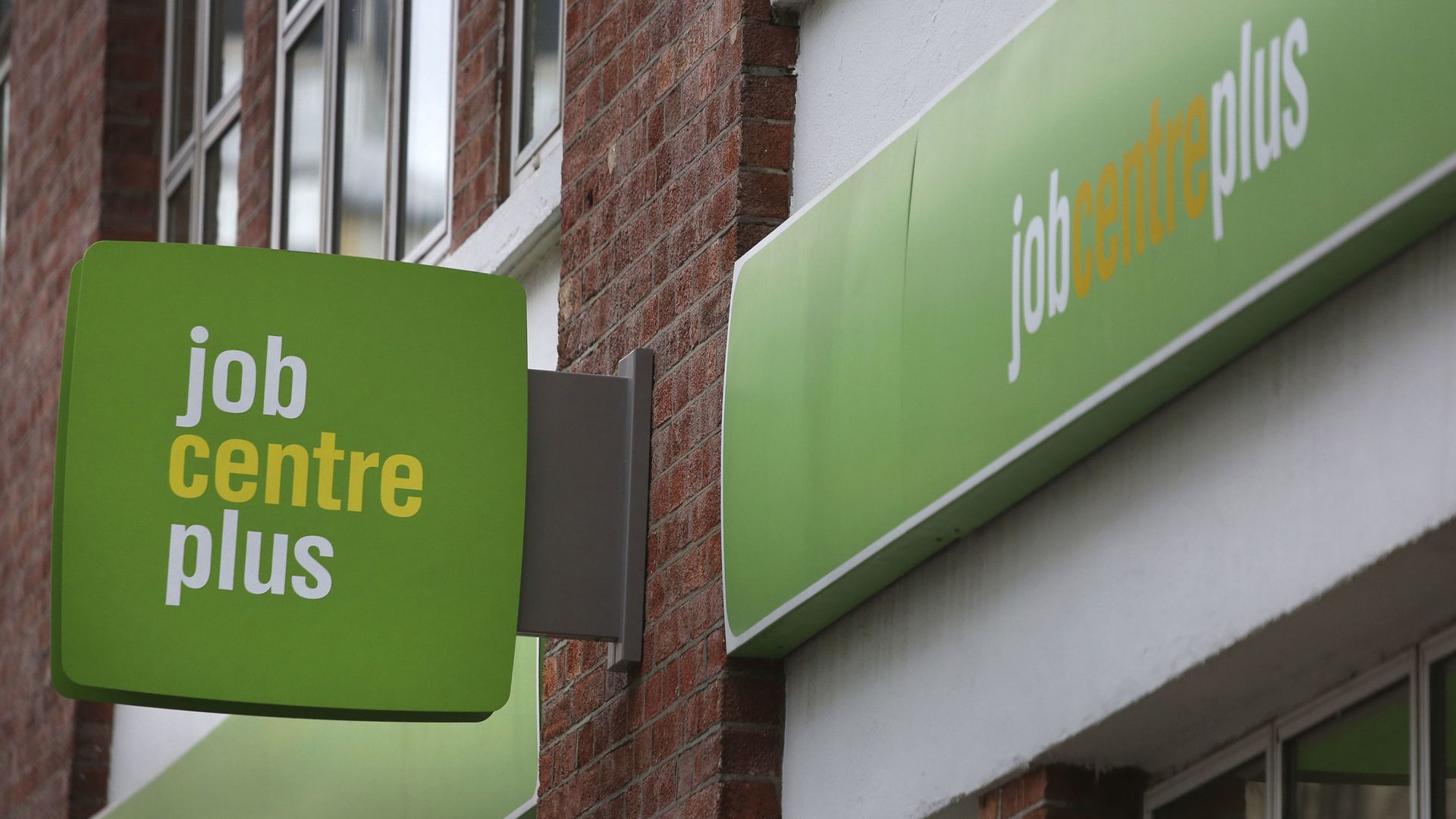
Private sector wage growth has fallen below 3% for the first time since 2020, official figures show.
It means pay for people working in the private sector, at 2.9%, is rising at the slowest pace in six years, according to data from the Office for National Statistics (ONS) for the three months to May.
Money blog: Follow the latest
That means pay increases are only just keeping up with the rate of price rises, with the inflation rate at 2.8%.
Meanwhile, people working for the public sector saw annual wage growth of 5.5%, ONS data showed.
Public sector pay “remains elevated” due to the timing of recent NHS pay awards, the ONS said.
In general, weekly earnings rose faster than the month before, hitting 4.5%.
Average earnings, excluding bonuses, remained at 4.3%.
Good news for interest rates?
Seeing no change in this earnings figure will be welcome news for the interest rate setters at the Bank of England.
Wage growth had been a concern for the central bank in its fight to bring inflation down to 2%.
Spiked oil and gas costs led the inflation rate to creep up again and have led traders to price in an interest rate hike.
It would represent the first upping of the base interest rate in three years.
An improving labour market?
Data also released on Tuesday morning showed the unemployment rate remained flat at 4.9%, having come down from 5.2% in January.
Before Labour took office, the jobless rate stood at 4.2%.
While the number of job vacancies fell, the drop-off was less than in recent periods, said the ONS’s director of economic statistics, Liz McKeown.
The fall in vacancies was driven by small businesses, which cited the cost of hiring and overall expenses as the reason for not taking on new staff.
Source link

Khamrah by Lattafa for Men - 3.4 oz EDP Spray
4% Off
Ghost Sweetheart Eau de Toilette | Pineapple, Jasmine and Sandalwood | Perfume for Women 50 ml
50% Off
Marc Jacobs Dot Eau De Parfum for Women, 100 ml
42% Off
Ted Baker W Eau de Toilette for Her, Fig Leaf, White Peony and Violet Top Notes, Pink Orchid and Raspberry Middle Notes, 75ml
£11.77 (£15.69 / 100 ml) (as of 21/07/2026 04:02 GMT +01:00 - More infoProduct prices and availability are accurate as of the date/time indicated and are subject to change. Any price and availability information displayed on [relevant Amazon Site(s), as applicable] at the time of purchase will apply to the purchase of this product.)
Ted Baker Woman Pink Eau de Toilette Spray Floral Green Feminine Fragrance, Opening Notes are Fresh Peach, Bergamot and Tangerine with Warm Musk, Vanilla and Vetiver Base, 100ml
11% Off
Vera Wang Princess Eau de Toilette - 30 ml

Choco Musk 50ml Eau De Parfum for men and women | Chocolate Musk by Jannat Aromas
17% Off
Christina Aguilera Signature Eau de Parfum (50ml) Floral, Fruity & Exotic Scent, Luxury Fragrance for Women
9% Off
Calvin Klein - Eau De Toilette CKIN2U - Calvin Klein Women, Ladies Perfume, Women's Perfume, Calvin Klein Perfume, Calvin Klein One - 150 ml
5% Off
Jimmy Choo Flash Eau de Parfum, 60 ml (Pack of 1)
3% Off
Fruit of the Loom Men's Heavy T Shirt, White, XL UK
28% Off
ATNKE LED Lighted Beanie Cap,USB Rechargeable Running Hat Ultra Bright 4 LED Waterproof Light Winter Warm Gifts for Men and Women/Pink

Men's 1/4 Zip Pullover UK Sale Clearance, Fleece Sweatshirt Casual Jumper Long Sleeve T-shirt Top Stand Collar Sweater Plain Pullover Sports Leisure Workwear Quarter Zip Sweater Lightweight Jumpers
£5.88 (as of 12/11/2025 00:52 GMT +01:00 - More infoProduct prices and availability are accurate as of the date/time indicated and are subject to change. Any price and availability information displayed on [relevant Amazon Site(s), as applicable] at the time of purchase will apply to the purchase of this product.)
Crevice Cleaning Brush, Bathroom Tile Groove Gap Cleaning Brush,Premium Crevice Cleaning Tool Aluminum Support with 15° Angle Magic Brush, Thin Brush for Home Kitchen
19% Off
Wireless Earbuds, Bluetooth 5.3 Headphones in Ear with HiFi Stereo Deep Bass, 4 ENC Noise Cancelling Mic Wireless Earphones 40H Playtime, Bluetooth Earbuds Dual LED Display, IP7 Waterproof, USB-C
42% Off