 [
[
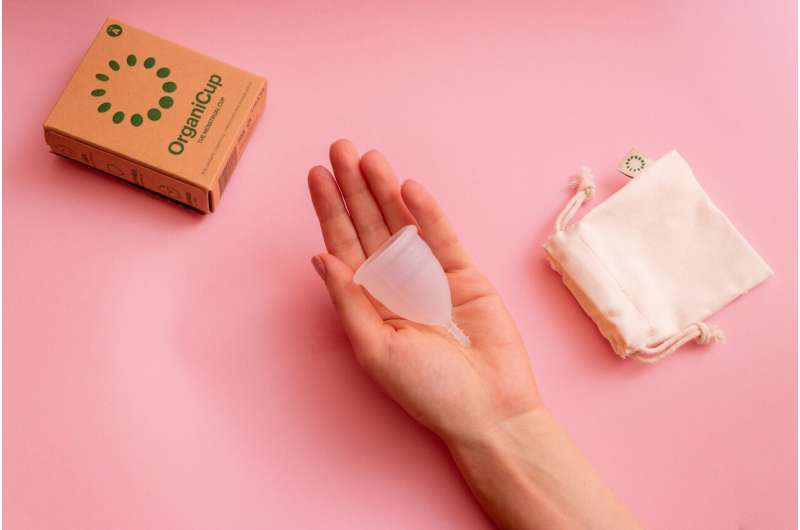
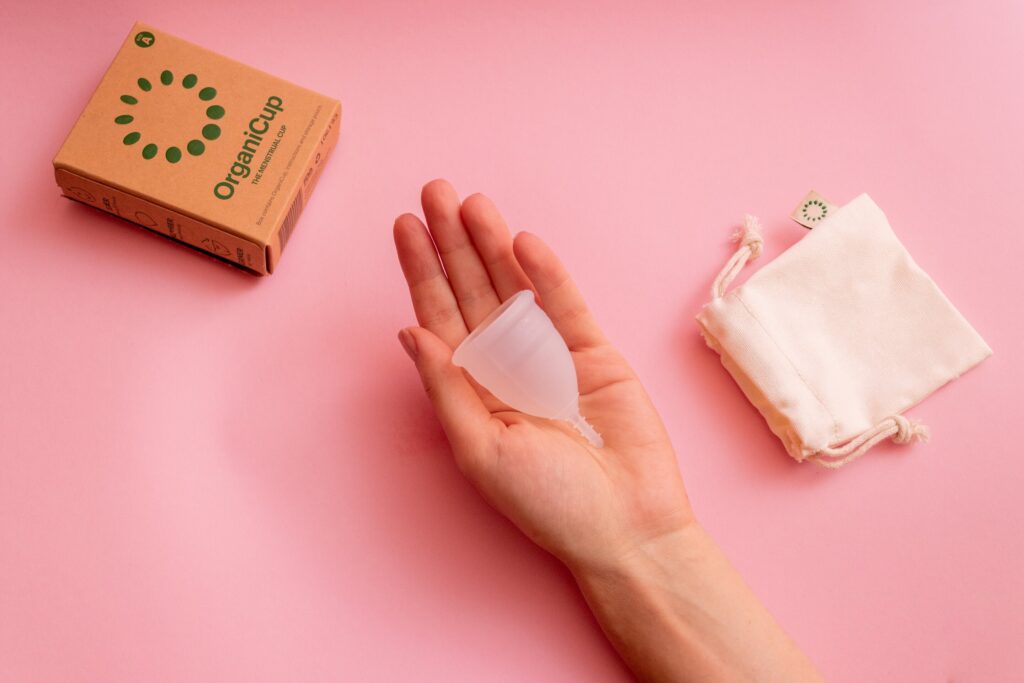
A poorly positioned menstrual cup to capture monthly blood flow may lead to more serious complications than leakage alone, warn doctors in the journal BMJ Case Reports, after treating a young woman with uterohydronephrosis—a swollen kidney caused by blocked urine flow into the bladder.
The use of menstrual cups as a sustainable alternative to other methods of controlling period blood flow is rising, note the report authors. While reported complications are rare, the evidence suggests that pain, vaginal wounds, allergic reactions, leakage, urinary incontinence, dislodgement of intrauterine devices (‘coils’), and infections, are all possible, they add.
The doctors treated a young woman in her early 30s who had noticed blood in her urine and was experiencing intermittent right-sided flank and pelvic pain that had lasted for around six months.
Three years earlier, she had had a 9 mm kidney stone removed. And she was using a copper coil for contraception. One or two days a month, during the heaviest period blood flow, she used a menstrual cup which she emptied every two to three hours.
A scan revealed no signs of kidney stones, but it did show a swollen right kidney and ureter—the tube that carries urine away from the kidneys. It also showed a menstrual cup positioned right next to the opening of the ureter into the bladder (ureteral ostium).
The woman was asked not to use the menstrual cup during her next period and to return for a follow-up scan a month later. The scan showed that the swelling had gone down and that urine was draining normally from both kidneys.
The woman’s symptoms had cleared up completely, prompting the report authors to conclude that the cup had obstructed the flow of urine from the right ureter.
When the woman attended a further check-up six months later, she said that she had only used the menstrual cup occasionally for three to four hours at a time during visits to a swimming pool. She hadn’t wanted to use the cup regularly again, for fear of possible complications.
“To our knowledge, only a few similar cases have previously been reported. [These] cases were similar to our case,” note the report authors.
“In all cases except one, a follow-up [computed tomography scan] or ultrasound was performed which showed regression of the ureterohydronephrosis. In three cases, the women resumed use of the menstrual cup, and none of them experienced resumption of symptoms (unknown follow-up periods). One of them chose a smaller sized cup,” they write.
Women (and clinicians) need to be better informed about the correct use (and potential complications) of menstrual cups, suggest the report authors.
“When the terminal part of the ureters pass into the bladder, they are in close proximity to the vagina, which can affect urinary drainage from the ureter. Correct positioning, along with choosing the correct cup shape and size, is important to prevent negative effects on the upper urinary tract,” they explain.
“Presently, menstrual cups can be bought and used without clinical advice from a health professional, which emphasizes the importance of detailed and clear patient information material,” they add.
More information:
Ureterohydronephrosis due to a menstrual cup, BMJ Case Reports (2025). DOI: 10.1136/bcr-2024-262035
Citation:
Position menstrual cups carefully to avoid possible kidney problems, doctors urge (2025, February 10)
retrieved 10 February 2025
from https://medicalxpress.com/news/2025-02-position-menstrual-cups-kidney-problems.html
This document is subject to copyright. Apart from any fair dealing for the purpose of private study or research, no
part may be reproduced without the written permission. The content is provided for information purposes only.

Khamrah by Lattafa for Men - 3.4 oz EDP Spray
4% Off
Ghost Sweetheart Eau de Toilette | Pineapple, Jasmine and Sandalwood | Perfume for Women 50 ml
50% Off
Marc Jacobs Dot Eau De Parfum for Women, 100 ml
42% Off
Ted Baker W Eau de Toilette for Her, Fig Leaf, White Peony and Violet Top Notes, Pink Orchid and Raspberry Middle Notes, 75ml
£11.77 (£15.69 / 100 ml) (as of 03/09/2026 04:57 GMT +01:00 - More infoProduct prices and availability are accurate as of the date/time indicated and are subject to change. Any price and availability information displayed on [relevant Amazon Site(s), as applicable] at the time of purchase will apply to the purchase of this product.)
Ted Baker Woman Pink Eau de Toilette Spray Floral Green Feminine Fragrance, Opening Notes are Fresh Peach, Bergamot and Tangerine with Warm Musk, Vanilla and Vetiver Base, 100ml
11% Off
Vera Wang Princess Eau de Toilette - 30 ml

Choco Musk 50ml Eau De Parfum for men and women | Chocolate Musk by Jannat Aromas
17% Off
Christina Aguilera Signature Eau de Parfum (50ml) Floral, Fruity & Exotic Scent, Luxury Fragrance for Women
9% Off
Calvin Klein - Eau De Toilette CKIN2U - Calvin Klein Women, Ladies Perfume, Women's Perfume, Calvin Klein Perfume, Calvin Klein One - 150 ml
5% Off
Jimmy Choo Flash Eau de Parfum, 60 ml (Pack of 1)
3% Off
Fruit of the Loom Men's Heavy T Shirt, White, XL UK
28% Off
ATNKE LED Lighted Beanie Cap,USB Rechargeable Running Hat Ultra Bright 4 LED Waterproof Light Winter Warm Gifts for Men and Women/Pink
17% Off
Men's 1/4 Zip Pullover UK Sale Clearance, Fleece Sweatshirt Casual Jumper Long Sleeve T-shirt Top Stand Collar Sweater Plain Pullover Sports Leisure Workwear Quarter Zip Sweater Lightweight Jumpers
£5.88 (as of 12/11/2025 00:52 GMT +01:00 - More infoProduct prices and availability are accurate as of the date/time indicated and are subject to change. Any price and availability information displayed on [relevant Amazon Site(s), as applicable] at the time of purchase will apply to the purchase of this product.)
Crevice Cleaning Brush, Bathroom Tile Groove Gap Cleaning Brush,Premium Crevice Cleaning Tool Aluminum Support with 15° Angle Magic Brush, Thin Brush for Home Kitchen
19% Off
Wireless Earbuds, Bluetooth 5.3 Headphones in Ear with HiFi Stereo Deep Bass, 4 ENC Noise Cancelling Mic Wireless Earphones 40H Playtime, Bluetooth Earbuds Dual LED Display, IP7 Waterproof, USB-C
42% Off