
 [
[


A large-scale laboratory screening of human-made chemicals has identified 168 chemicals that are toxic to bacteria found in the healthy human gut. These chemicals stifle the growth of gut bacteria thought to be vital for health. The research, including the new machine learning model, is published in the journal Nature Microbiology.
Most of these chemicals, likely to enter our bodies through food, water, and environmental exposure, were not previously thought to have any effect on bacteria.
As the bacteria alter their function to try and resist the chemical pollutants, some also become resistant to antibiotics such as ciprofloxacin. If this happens in the human gut, it could make infections harder to treat.
The new research, led by the University of Cambridge, tested the effect of 1,076 chemical contaminants on 22 species of gut bacteria in the lab.
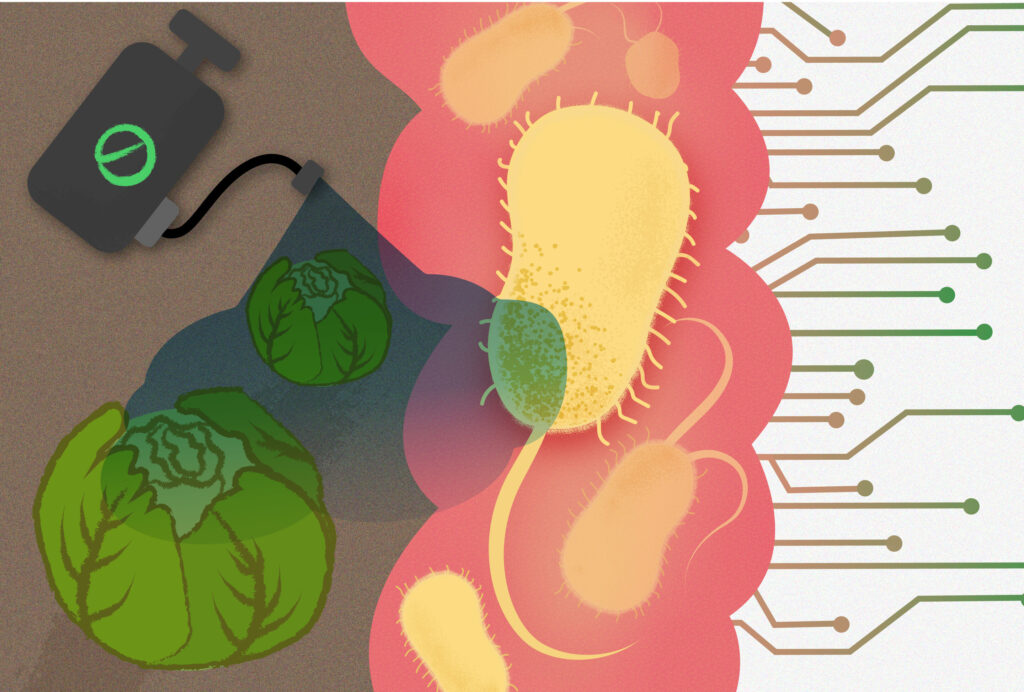
Chemicals that have a toxic effect on gut bacteria include pesticides like herbicides and insecticides that are sprayed onto food crops, and industrial chemicals used in flame retardants and plastics.
The human gut microbiome is composed of around 4,500 different types of bacteria, all working to keep our body running smoothly. When the microbiome is knocked out of balance, there can be wide-ranging effects on health, including digestive problems, obesity, and effects on our immune system and mental health.

Current safety assessments and new tools
Standard chemical safety assessments do not consider the human gut microbiome because chemicals are formulated to act on specific targets, for example, insecticides should target insects.
The researchers have used their data to create a machine learning model to predict if industrial chemicals—whether already in use, or in development—will be harmful to human gut bacteria.
Dr. Indra Roux, a researcher at the University of Cambridge’s MRC Toxicology Unit and first author of the study said, “We’ve found that many chemicals designed to act only on one type of target, say insects or fungi, also affect gut bacteria. We were surprised that some of these chemicals had such strong effects.
“For example, many industrial chemicals like flame retardants and plasticizers—that we are regularly in contact with—weren’t thought to affect living organisms at all, but they do.”
Professor Kiran Patil of the University of Cambridge’s MRC Toxicology Unit and senior author of the study said, “The real power of this large-scale study is that we now have the data to predict the effects of new chemicals, with the aim of moving to a future where new chemicals are safe by design.”

Implications for health and future research
Dr. Stephan Kamrad at the University of Cambridge’s MRC Toxicology Unit, who was also involved in the study, said, “Safety assessments of new chemicals for human use must ensure they are also safe for our gut bacteria, which could be exposed to the chemicals through our food and water.”
Very little information is available about the direct effects of environmental chemicals on our gut microbiome, and, in turn, our health. The researchers say it’s likely our gut bacteria are regularly being exposed to the chemicals they tested, but the exact concentrations reaching the gut are unknown. Future studies monitoring our whole-body exposure will be needed to assess the risk.
Patil said, “Now we’ve started discovering these interactions in a laboratory setting, it’s important to start collecting more real-world chemical exposure data, to see if there are similar effects in our bodies.”
In the meantime, the researchers suggest the best way to try and avoid exposure to chemical pollutants is to wash our fruit and vegetables before we eat them, and not to use pesticides in the garden.
More information:
Industrial and agricultural chemicals exhibit antimicrobial activity against human gut bacteria in vitro, Nature Microbiology (2025). DOI: 10.1038/s41564-025-02182-6.
Citation:
Pesticides and other common chemical pollutants are toxic to ‘good’ gut bacteria, lab-based screening indicates (2025, November 26)
retrieved 26 November 2025
from https://medicalxpress.com/news/2025-11-pesticides-common-chemical-pollutants-toxic.html
This document is subject to copyright. Apart from any fair dealing for the purpose of private study or research, no
part may be reproduced without the written permission. The content is provided for information purposes only.

Khamrah by Lattafa for Men - 3.4 oz EDP Spray
4% Off
Ghost Sweetheart Eau de Toilette | Pineapple, Jasmine and Sandalwood | Perfume for Women 50 ml
50% Off
Marc Jacobs Dot Eau De Parfum for Women, 100 ml
42% Off
Ted Baker W Eau de Toilette for Her, Fig Leaf, White Peony and Violet Top Notes, Pink Orchid and Raspberry Middle Notes, 75ml
£11.77 (£15.69 / 100 ml) (as of 15/10/2026 06:35 GMT +01:00 - More infoProduct prices and availability are accurate as of the date/time indicated and are subject to change. Any price and availability information displayed on [relevant Amazon Site(s), as applicable] at the time of purchase will apply to the purchase of this product.)
Ted Baker Woman Pink Eau de Toilette Spray Floral Green Feminine Fragrance, Opening Notes are Fresh Peach, Bergamot and Tangerine with Warm Musk, Vanilla and Vetiver Base, 100ml
11% Off
Vera Wang Princess Eau de Toilette - 30 ml

Choco Musk 50ml Eau De Parfum for men and women | Chocolate Musk by Jannat Aromas
17% Off
Christina Aguilera Signature Eau de Parfum (50ml) Floral, Fruity & Exotic Scent, Luxury Fragrance for Women
9% Off
Calvin Klein - Eau De Toilette CKIN2U - Calvin Klein Women, Ladies Perfume, Women's Perfume, Calvin Klein Perfume, Calvin Klein One - 150 ml
5% Off
Jimmy Choo Flash Eau de Parfum, 60 ml (Pack of 1)
3% Off
Fruit of the Loom Men's Heavy T Shirt, White, XL UK
28% Off
ATNKE LED Lighted Beanie Cap,USB Rechargeable Running Hat Ultra Bright 4 LED Waterproof Light Winter Warm Gifts for Men and Women/Pink
17% Off
Men's 1/4 Zip Pullover UK Sale Clearance, Fleece Sweatshirt Casual Jumper Long Sleeve T-shirt Top Stand Collar Sweater Plain Pullover Sports Leisure Workwear Quarter Zip Sweater Lightweight Jumpers
£5.88 (as of 12/11/2025 00:52 GMT +01:00 - More infoProduct prices and availability are accurate as of the date/time indicated and are subject to change. Any price and availability information displayed on [relevant Amazon Site(s), as applicable] at the time of purchase will apply to the purchase of this product.)
Crevice Cleaning Brush, Bathroom Tile Groove Gap Cleaning Brush,Premium Crevice Cleaning Tool Aluminum Support with 15° Angle Magic Brush, Thin Brush for Home Kitchen
19% Off
Wireless Earbuds, Bluetooth 5.3 Headphones in Ear with HiFi Stereo Deep Bass, 4 ENC Noise Cancelling Mic Wireless Earphones 40H Playtime, Bluetooth Earbuds Dual LED Display, IP7 Waterproof, USB-C
42% Off