Jayne McCormackPolitical correspondent, BBC News NI

 DfC
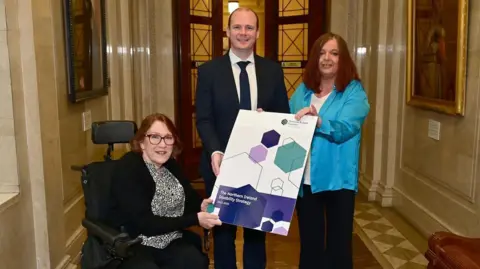
DfCA new strategy focusing on the needs of deaf and disabled people in Northern Ireland is an “opportunity” to set the roadmap for the next 10 years, campaigners have said.
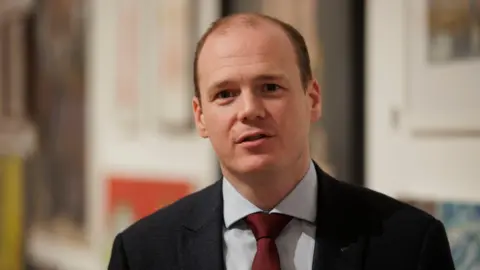
Communities Minister Gordon Lyons outlined details of the draft plan on Tuesday in the assembly.
About one in four people in Northern Ireland experience some form of a disability, with proposals in place to review and reform current laws.
Deena Nimick from the Centre for Independent Living said it was “so important” that the disabled community is involved in the discussions.
“Disability is likely to affect almost everyone in Northern Ireland at some stage. If you don’t have a disability you’re likely to get one as you get older, or you may have a loved one who has a disability,” she said.
Ms Nimick was at Stormont as the minister unveiled his plan, where he spelled out a commitment to establish a Northern Ireland Disability Forum to monitor the actions included in the strategy.
Not a ‘box-ticking exercise’
Lyons said the forum would be made up entirely of deaf and disabled people, with his officials providing secretarial support.
He said that the strategy was not a “box-ticking exercise”, adding that he had listened to the views of the disabled community about reforming current legislation.
“I too believe there is a clear case for the review and potential reform of disability law here,” he added.
Officials are now looking into that issue, with the minister saying any changes would require extra funding across various Stormont departments but that it is “the right thing to do”.
 PA Media
The draft strategy will now go out for public consultation for a minimum 12-week period.
“We need to make sure we deliver what we are promising, I believe the commitments we have here we can deliver within departmental budgets – but this shouldn’t just be seen as a way for us to have to spend money but this is an investment – investing in deaf and disabled people has a whole host of benefits,” Lyons told BBC News NI.
Ms Nimick said that disabled people – due to the challenges they face across society – are used to “thinking smart and overcoming barriers”.
She said groups would be watching the executive closely to hold them to account on their promises, adding: “Let’s make this work.”
‘Disillusioned and devalued’
Another campaign group, Disabled People Against Cuts, has already issued a briefing paper spelling out what they called “failures” with the draft strategy.
In it they said they had hoped for a strategy of “better quality and with substantial commitments” aiming to progress the rights of deaf and disabled people in Northern Ireland.
“The draft strategy has left us feeling disillusioned and devalued.
“We believe that more broadly deaf and disabled people will feel the same, having made clear to us in engagement around the strategy that what they wanted most was a strategy that changed things not a document that does nothing,” it said.
“The draft strategy notably lacks concrete commitments. The targets are not specific, measurable, achievable, relevant or time-bound and this undermines the quality of the strategy.”
The Disability Strategy, once approved in final form by the Northern Ireland Executive, will run for a 10-year period from 2025 to 2035 and will be underpinned by an action plan targeted at progressing strategy outcomes and commitments.
The action plan will be monitored, reviewed, and updated annually with published progress reports which will be agreed by the executive.
A formal midpoint review will allow for the strategy itself to be assessed, taking account of the annual reports on the action plan.
BBC News

Khamrah by Lattafa for Men - 3.4 oz EDP Spray
4% Off
Ghost Sweetheart Eau de Toilette | Pineapple, Jasmine and Sandalwood | Perfume for Women 50 ml
50% Off
Marc Jacobs Dot Eau De Parfum for Women, 100 ml
42% Off
Ted Baker W Eau de Toilette for Her, Fig Leaf, White Peony and Violet Top Notes, Pink Orchid and Raspberry Middle Notes, 75ml
£11.77 (£15.69 / 100 ml) (as of 30/05/2026 03:24 GMT +01:00 - More infoProduct prices and availability are accurate as of the date/time indicated and are subject to change. Any price and availability information displayed on [relevant Amazon Site(s), as applicable] at the time of purchase will apply to the purchase of this product.)
Ted Baker Woman Pink Eau de Toilette Spray Floral Green Feminine Fragrance, Opening Notes are Fresh Peach, Bergamot and Tangerine with Warm Musk, Vanilla and Vetiver Base, 100ml
11% Off
Vera Wang Princess Eau de Toilette - 30 ml

Choco Musk 50ml Eau De Parfum for men and women | Chocolate Musk by Jannat Aromas
17% Off
Christina Aguilera Signature Eau de Parfum (50ml) Floral, Fruity & Exotic Scent, Luxury Fragrance for Women
9% Off
Calvin Klein - Eau De Toilette CKIN2U - Calvin Klein Women, Ladies Perfume, Women's Perfume, Calvin Klein Perfume, Calvin Klein One - 150 ml
5% Off
Jimmy Choo Flash Eau de Parfum, 60 ml (Pack of 1)
3% Off
Fruit of the Loom Men's Heavy T Shirt, White, XL UK
28% Off
ATNKE LED Lighted Beanie Cap,USB Rechargeable Running Hat Ultra Bright 4 LED Waterproof Light Winter Warm Gifts for Men and Women/Pink
17% Off
Men's 1/4 Zip Pullover UK Sale Clearance, Fleece Sweatshirt Casual Jumper Long Sleeve T-shirt Top Stand Collar Sweater Plain Pullover Sports Leisure Workwear Quarter Zip Sweater Lightweight Jumpers
£5.88 (as of 12/11/2025 00:52 GMT +01:00 - More infoProduct prices and availability are accurate as of the date/time indicated and are subject to change. Any price and availability information displayed on [relevant Amazon Site(s), as applicable] at the time of purchase will apply to the purchase of this product.)
Crevice Cleaning Brush, Bathroom Tile Groove Gap Cleaning Brush,Premium Crevice Cleaning Tool Aluminum Support with 15° Angle Magic Brush, Thin Brush for Home Kitchen
19% Off
Wireless Earbuds, Bluetooth 5.3 Headphones in Ear with HiFi Stereo Deep Bass, 4 ENC Noise Cancelling Mic Wireless Earphones 40H Playtime, Bluetooth Earbuds Dual LED Display, IP7 Waterproof, USB-C
42% Off