 [
[
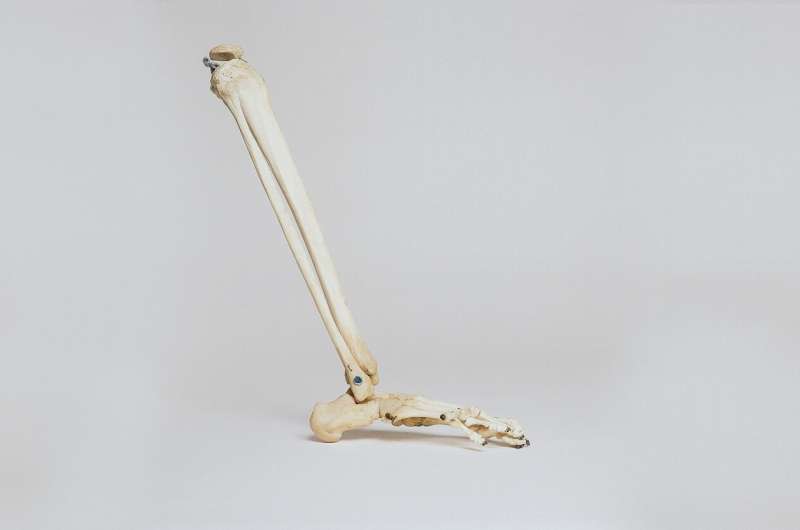
Around 40% of adults worldwide are affected by osteopenia: a loss of bone mineral density. This condition is extremely common, particularly in postmenopausal women and elderly adults. It’s estimated that more than 500,000 fractures occur annually in the UK due to low bone density.
Osteopenia itself does not usually cause symptoms and it develops silently over time. Many people may not even be aware that they have the condition until they have experienced a fracture or had a bone density test, typically recommended because of risk factors such as age and menopause. This makes osteopenia a significant but often under-recognized public health issue.
Bone is a dynamic tissue that undergoes continuous renewal through a process called bone remodeling. During this process, old bone is broken down (resorption) and new bone is formed (formation).
During early adulthood, this process is balanced, so bone resorption equals bone formation. Bone mass usually peaks around a person’s mid-20s to early-30s. After this peak, bone loss gradually exceeds bone formation. Over time, this leads to reduced bone density.
Aging is the main risk factor for bone loss. But several additional factors can accelerate the process.
For instance, hormonal changes, especially the decline in estrogen after the menopause, can significantly increase bone breakdown. This is because estrogen helps protect bones by slowing the natural process of bone breakdown. Around one in two women over 50 will experience a fragility fracture.
Lifestyle also plays an important role. Smoking, excessive alcohol consumption and physical inactivity can contribute to reduced bone strength over time. Diet is equally important. Insufficient calcium intake and low vitamin D can limit the body’s ability to build and maintain strong bones.
Certain medications, particularly long-term steroid use, as well as health conditions that affect hormone levels or nutrient absorption (such as Crohn’s or celiac disease), can further increase the risk.
Managing osteopenia
Detecting osteopenia early is crucial. This allows you and clinicians to take steps that can reduce the risk of fractures and prevent osteopenia progressing to osteoporosis, where bone loss is more advanced and the risk of fractures is significantly higher.
Bone mineral density is commonly measured using a dual-energy X-ray absorptiometry (DXA) scan. This is a type of low-dose X-ray scan used to assess bone strength. Results are usually given as a T-score, which compares a patient’s bone density to that of a healthy young adult. A T-score between –1.0 and –2.5 indicates osteopenia, while a T-score below –2.5 meets the diagnostic threshold for osteoporosis.
Management of osteopenia typically focuses on slowing down or preventing further bone loss and reducing the risk of fractures. This involves making lifestyle changes (such as avoiding smoking, limiting alcohol intake or maintaining healthy body weight), nutritional support and, in some cases, prescription treatment.
Weight-bearing exercises, such as walking, dancing or jogging stimulate bone formation by placing strain on the skeleton. Resistance training can further strengthen bones and muscles.
Research shows that regular physical activity is associated with improved bone mineral density and may reduce the risk of osteoporosis. Exercise, such as Tai Chi, also improves balance and muscle strength, reducing the risk of falls that could lead to fractures.
Sufficient calcium intake supports bone structure too, while vitamin D helps the body absorb calcium efficiently. Foods such as dairy products, leafy green vegetables and fortified products are common dietary sources. Supplements may also be recommended where dietary intake is insufficient. In the UK, vitamin D deficiency is relatively common, so supplementation is often advised.
Not everyone with osteopenia requires drug treatment. Instead, clinicians often use a fracture risk assessment tool to evaluate ten-year probability of a fracture based on age, bone mineral density, steroid use and other risk factors.
If fracture risk is high or if a person has already experienced a fragility fracture, medications may be recommended. These can include antiresorptive drugs which slow bone breakdown and help maintain bone density. Such treatments are more commonly used in osteoporosis but may also benefit high-risk patients with osteopenia.
Osteopenia should not be viewed merely as a mild or early form of osteoporosis but rather as a warning sign and point of intervention. Progression from osteopenia to osteoporosis is not inevitable.
Evidence suggests that early detection and targeted lifestyle changes can maintain bone health, significantly slow bone loss and reduce risk of developing osteoporosis later in life. In some cases, bone density may even improve with appropriate treatment and lifestyle adjustments.
But prevention requires a long-term perspective. Bone health reflects the cumulative influences of our health and lifestyle across the lifespan, including our diets, physical activity levels and hormonal changes we have gone through. Maintaining healthy habits over time remains the most effective strategy for protecting bone strength.
This article is republished from The Conversation under a Creative Commons license. Read the original article.
Citation:
Osteopenia: Loss of bone mineral density affects millions of people. Here’s what you need to know (2026, April 18)
retrieved 18 April 2026
from https://medicalxpress.com/news/2026-04-osteopenia-loss-bone-mineral-density.html
This document is subject to copyright. Apart from any fair dealing for the purpose of private study or research, no
part may be reproduced without the written permission. The content is provided for information purposes only.

Khamrah by Lattafa for Men - 3.4 oz EDP Spray
4% Off
Ghost Sweetheart Eau de Toilette | Pineapple, Jasmine and Sandalwood | Perfume for Women 50 ml
50% Off
Marc Jacobs Dot Eau De Parfum for Women, 100 ml
42% Off
Ted Baker W Eau de Toilette for Her, Fig Leaf, White Peony and Violet Top Notes, Pink Orchid and Raspberry Middle Notes, 75ml
£11.77 (£15.69 / 100 ml) (as of 30/05/2026 03:24 GMT +01:00 - More infoProduct prices and availability are accurate as of the date/time indicated and are subject to change. Any price and availability information displayed on [relevant Amazon Site(s), as applicable] at the time of purchase will apply to the purchase of this product.)
Ted Baker Woman Pink Eau de Toilette Spray Floral Green Feminine Fragrance, Opening Notes are Fresh Peach, Bergamot and Tangerine with Warm Musk, Vanilla and Vetiver Base, 100ml
11% Off
Vera Wang Princess Eau de Toilette - 30 ml

Choco Musk 50ml Eau De Parfum for men and women | Chocolate Musk by Jannat Aromas
17% Off
Christina Aguilera Signature Eau de Parfum (50ml) Floral, Fruity & Exotic Scent, Luxury Fragrance for Women
9% Off
Calvin Klein - Eau De Toilette CKIN2U - Calvin Klein Women, Ladies Perfume, Women's Perfume, Calvin Klein Perfume, Calvin Klein One - 150 ml
5% Off
Jimmy Choo Flash Eau de Parfum, 60 ml (Pack of 1)
3% Off
Fruit of the Loom Men's Heavy T Shirt, White, XL UK
28% Off
ATNKE LED Lighted Beanie Cap,USB Rechargeable Running Hat Ultra Bright 4 LED Waterproof Light Winter Warm Gifts for Men and Women/Pink
17% Off
Men's 1/4 Zip Pullover UK Sale Clearance, Fleece Sweatshirt Casual Jumper Long Sleeve T-shirt Top Stand Collar Sweater Plain Pullover Sports Leisure Workwear Quarter Zip Sweater Lightweight Jumpers
£5.88 (as of 12/11/2025 00:52 GMT +01:00 - More infoProduct prices and availability are accurate as of the date/time indicated and are subject to change. Any price and availability information displayed on [relevant Amazon Site(s), as applicable] at the time of purchase will apply to the purchase of this product.)
Crevice Cleaning Brush, Bathroom Tile Groove Gap Cleaning Brush,Premium Crevice Cleaning Tool Aluminum Support with 15° Angle Magic Brush, Thin Brush for Home Kitchen
19% Off
Wireless Earbuds, Bluetooth 5.3 Headphones in Ear with HiFi Stereo Deep Bass, 4 ENC Noise Cancelling Mic Wireless Earphones 40H Playtime, Bluetooth Earbuds Dual LED Display, IP7 Waterproof, USB-C
42% Off