 [
[


A PET/CT radiotracer demonstrated high sensitivity and specificity for diagnosing cardiac amyloidosis, a rare disease that causes abnormal protein buildup in the heart and heart failure, according to a recent clinical trial published in JAMA.
The findings suggest that using the radiotracer, iodine-124-evuzamitide, in clinical workflows could provide diagnostic clarity for patients when standard imaging tests do not firmly establish or rule out a diagnosis.
“If there’s a high suspicion, but the current standard-of-care imaging was equivocal, this could be an amazing addition to our diagnostic armamentarium. If I-124 evuzamitide imaging were positive, it would give the patient the diagnosis,” said Richard L. Weinberg, M.D., Ph.D., associate professor of medicine in the Division of Cardiology and a co-author of the study.
How amyloid damages the heart
Systemic amyloidosis is a rare disease that occurs when abnormal proteins form amyloid fibrils and deposit in organs and tissues throughout the body, which can ultimately lead to dysfunction of a variety of organs, including the heart.
The two most common forms of systemic amyloidosis are transthyretin amyloidosis (ATTR) and immunoglobulin light chain amyloidosis (AL). ATTR occurs when either the naturally occurring or an abnormal form of transthyretin protein misfolds and forms amyloid fibrils. In contrast, light chain amyloidosis occurs when abnormal plasma cells produce misfolded proteins.
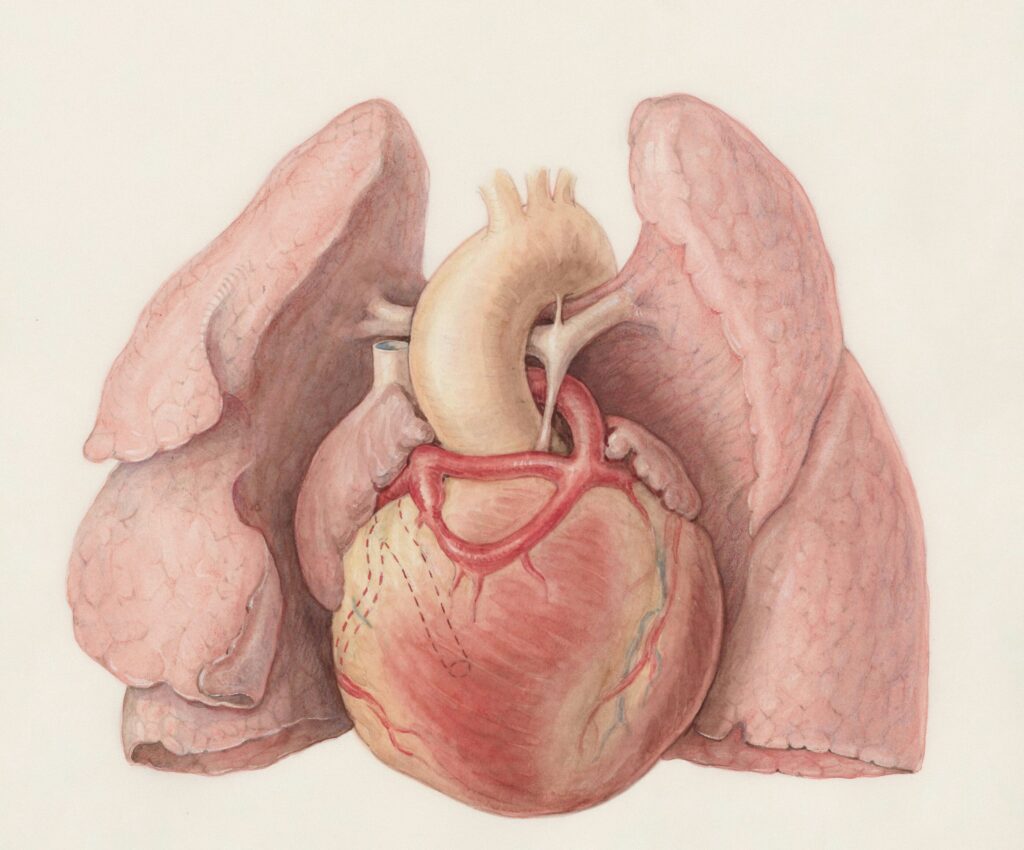
Systemic amyloidosis can also affect the heart: The abnormal buildup of amyloid causes the walls of the heart muscle to thicken, making the heart work harder to pump blood throughout the body and can lead to heart failure and arrhythmias.
Diagnosing cardiac amyloidosis is difficult, however, as outside of a heart biopsy, no single test can definitively confirm or exclude a patient’s diagnosis, Weinberg said.
“From the heart perspective, we use a combination of imaging studies such as nuclear medicine cardiac amyloid scans, echocardiography and cardiac MRI, in addition to blood tests and serologies to diagnose cardiac amyloid. Depending on the type of amyloid, we need to check to see what type of abnormal proteins are in the blood, if there are any,” Weinberg said.
Testing a fibril-binding tracer
In the current phase III clinical trial, scientists aimed to evaluate the sensitivity and specificity of a new radiolabeled synthetic peptide, iodine-124-evuzamitide, used in PET/CT imaging to diagnose cardiac amyloidosis.
Evuzamitide works by directly binding to amyloid fibrils in patients with cardiac amyloidosis, with previous work demonstrating that it can effectively image ATTR, light chain amyloidosis and other types of cardiac and systemic amyloidosis.
In the clinical trial, a total of 170 patients suspected of having cardiac amyloidosis from 18 medical centers across the U.S., including Northwestern Memorial Hospital, were enrolled.
PET/CT scans were completed three to five hours after one dose of evuzamitide was administered intravenously to patients. Potassium iodide was also given orally (130 milligrams) for three days, starting 30 minutes before the evuzamitide injection.
Overall, the investigators found that evuzamitide performed with high sensitivity (94%) and specificity (86%) in diagnosing cardiac amyloidosis in patients with both ATTR and immunoglobulin light chain amyloidosis.
“The basic science showed that evuzamitide binds very tightly and specifically to amyloid fibrils, so the thought was, based on the preclinical data, that it should be very sensitive and very specific for amyloid. It was very nice to see that it played out well among all participants, and the tracer performed quite comparably in patients with light chain and transthyretin cardiac amyloid,” Weinberg said.
Use in equivocal cases
The results, according to Weinberg, can support the approval of evuzamitide for clinical use, with further research needed to determine how best to integrate evuzamitide into diagnostic workflows.
“If patients have a confirmed diagnosis based on current standard of care, is this really necessary or will this become standard of care?” Weinberg said. “The patients where this would be very applicable in my clinical workflow or in our amyloid group’s clinical workflow, for example, are those with equivocal clinical diagnoses, where we’re not 100% sure.”
Publication details
Sharmila Dorbala et al, 124 I-Evuzamitide Positron Emission Tomography/Computed Tomography for Diagnosing Cardiac Amyloidosis, JAMA (2026). DOI: 10.1001/jama.2026.17361
Journal information:
Journal of the American Medical Association
Key medical concepts
Clinical categories


Citation:
Imaging agent may improve diagnoses for rare heart disease (2026, September 22)
retrieved 22 September 2026
from https://medicalxpress.com/news/2026-09-imaging-agent-rare-heart-disease.html
This document is subject to copyright. Apart from any fair dealing for the purpose of private study or research, no
part may be reproduced without the written permission. The content is provided for information purposes only.

Khamrah by Lattafa for Men - 3.4 oz EDP Spray
4% Off
Ghost Sweetheart Eau de Toilette | Pineapple, Jasmine and Sandalwood | Perfume for Women 50 ml
50% Off
Marc Jacobs Dot Eau De Parfum for Women, 100 ml
42% Off
Ted Baker W Eau de Toilette for Her, Fig Leaf, White Peony and Violet Top Notes, Pink Orchid and Raspberry Middle Notes, 75ml
£11.77 (£15.69 / 100 ml) (as of 22/09/2026 05:05 GMT +01:00 - More infoProduct prices and availability are accurate as of the date/time indicated and are subject to change. Any price and availability information displayed on [relevant Amazon Site(s), as applicable] at the time of purchase will apply to the purchase of this product.)
Ted Baker Woman Pink Eau de Toilette Spray Floral Green Feminine Fragrance, Opening Notes are Fresh Peach, Bergamot and Tangerine with Warm Musk, Vanilla and Vetiver Base, 100ml
11% Off
Vera Wang Princess Eau de Toilette - 30 ml

Choco Musk 50ml Eau De Parfum for men and women | Chocolate Musk by Jannat Aromas
17% Off
Christina Aguilera Signature Eau de Parfum (50ml) Floral, Fruity & Exotic Scent, Luxury Fragrance for Women
9% Off
Calvin Klein - Eau De Toilette CKIN2U - Calvin Klein Women, Ladies Perfume, Women's Perfume, Calvin Klein Perfume, Calvin Klein One - 150 ml
5% Off
Jimmy Choo Flash Eau de Parfum, 60 ml (Pack of 1)
3% Off
Fruit of the Loom Men's Heavy T Shirt, White, XL UK
28% Off
ATNKE LED Lighted Beanie Cap,USB Rechargeable Running Hat Ultra Bright 4 LED Waterproof Light Winter Warm Gifts for Men and Women/Pink
17% Off
Men's 1/4 Zip Pullover UK Sale Clearance, Fleece Sweatshirt Casual Jumper Long Sleeve T-shirt Top Stand Collar Sweater Plain Pullover Sports Leisure Workwear Quarter Zip Sweater Lightweight Jumpers
£5.88 (as of 12/11/2025 00:52 GMT +01:00 - More infoProduct prices and availability are accurate as of the date/time indicated and are subject to change. Any price and availability information displayed on [relevant Amazon Site(s), as applicable] at the time of purchase will apply to the purchase of this product.)
Crevice Cleaning Brush, Bathroom Tile Groove Gap Cleaning Brush,Premium Crevice Cleaning Tool Aluminum Support with 15° Angle Magic Brush, Thin Brush for Home Kitchen
19% Off
Wireless Earbuds, Bluetooth 5.3 Headphones in Ear with HiFi Stereo Deep Bass, 4 ENC Noise Cancelling Mic Wireless Earphones 40H Playtime, Bluetooth Earbuds Dual LED Display, IP7 Waterproof, USB-C
42% Off