 [
[
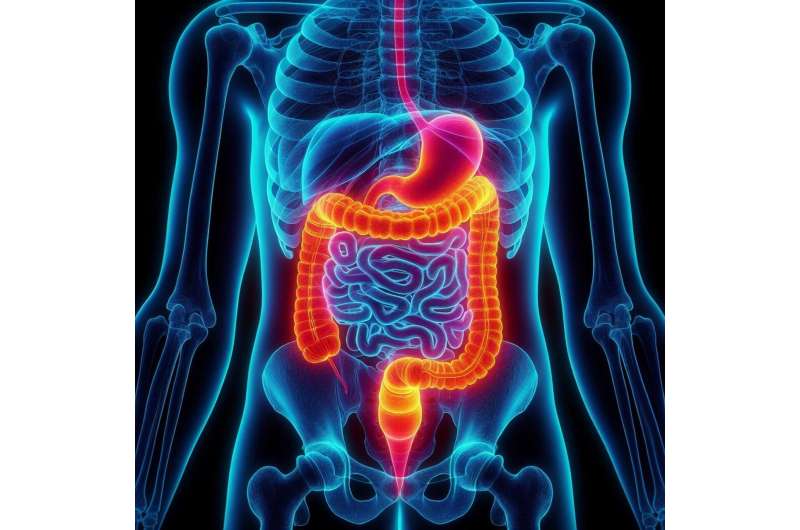
Inflammatory bowel disease (IBD), affecting an estimated 6–8 million people worldwide, may soon be monitored with a simple stool test instead of invasive procedures. Researchers have demonstrated that human DNA in fecal matter, previously ignored as biological noise, provides a clear map of activity in Inflammatory Bowel Disease.
By analyzing the origin of this DNA through methylation profiling, the team found that neutrophil levels in stool accurately reflect the severity of gut inflammation in both children and adults. This dual approach of monitoring both host and microbiome data offers a noninvasive way to track disease flares and treatment efficacy over time.
Researchers from the Hebrew University of Jerusalem and Shaare Zedek Medical Center, led by Prof. Moran Yassour, Prof. Eyal Shteyer and Prof. Yuval Dor, have discovered that human DNA in stool, once dismissed as biological “noise,” can serve as a powerful, noninvasive tool for tracking disease activity in IBD.
The study, published in Microbiome, shows that this overlooked DNA provides a real-time window into gut inflammation. By identifying where the DNA originates, the researchers found that immune cells called neutrophils leave a strong signal in stool that closely reflects disease severity in both children and adults. The paper is titled “Human DNA levels in feces reflect gut inflammation and associate with presence of gut species in IBD patients across the age spectrum.”
Today, many patients with IBD, including Crohn’s disease and ulcerative colitis, must undergo repeated colonoscopies to monitor inflammation. This new approach suggests that a simple stool test could help track flare-ups and treatment response over time, reducing reliance on invasive procedures.
“For too long, the human DNA found in stool samples was treated as biological ‘noise’ that we filtered out to focus on microbial data,” said Prof. Moran Yassour, from Hebrew University.
“Our findings show that this DNA contains valuable, unappreciated information, reflecting the immune system’s activity in real time. By analyzing both the human and microbial components together, we can gain a much clearer picture of what is happening in the gut.”
Using a method that identifies the origin of DNA fragments, the team showed that neutrophil DNA dominates the human DNA found in stool samples from IBD patients, in contrast to previous assumptions that the colon epithelial DNA will be present at high levels. Neutrophils are immune cells that migrate to the gut in response to inflammation.
The researchers found that levels of neutrophil DNA strongly correlate with established clinical markers, such as fecal calprotectin, reinforcing its value as a reliable indicator of disease activity. Furthermore, calprotectin assays have their own detection limits, hindering their efficacy in most severe cases.
Key findings
- New biomarker: Neutrophil DNA levels accurately reflect disease severity and flare-ups in IBD patients.
- Improved metric: A newly developed measure, the Neutrophil-to-Epithelial Ratio (NER), more effectively distinguishes between remission and active disease.
- Predictive power: Combining human DNA signals with microbiome data, machine learning models were able to predict IBD and differentiate between Crohn’s disease and ulcerative colitis.
- Across ages: Results were consistent in both pediatric patients in Israel and adult patients in the Netherlands.
This dual analysis of human and microbial DNA opens the door to a new generation of noninvasive diagnostic tools. By capturing both the body’s immune response and the microbiome’s composition, clinicians may be able to monitor disease progression more accurately and adjust treatments earlier.
The researchers hope this approach will lead to routine stool-based monitoring, improving care and quality of life for millions of people living with IBD.
Publication details
Chiara Mazzoni et al, Human DNA levels in feces reflect gut inflammation and associate with presence of gut species in IBD patients across the age spectrum, Microbiome (2026). DOI: 10.1186/s40168-026-02344-6
Journal information:
Microbiome
Key medical concepts
Citation:
A new map for inflammatory bowel disease: Human DNA in stool reveals disease activity (2026, May 7)
retrieved 7 May 2026
from https://medicalxpress.com/news/2026-05-inflammatory-bowel-disease-human-dna.html
This document is subject to copyright. Apart from any fair dealing for the purpose of private study or research, no
part may be reproduced without the written permission. The content is provided for information purposes only.

Khamrah by Lattafa for Men - 3.4 oz EDP Spray
4% Off
Ghost Sweetheart Eau de Toilette | Pineapple, Jasmine and Sandalwood | Perfume for Women 50 ml
50% Off
Marc Jacobs Dot Eau De Parfum for Women, 100 ml
42% Off
Ted Baker W Eau de Toilette for Her, Fig Leaf, White Peony and Violet Top Notes, Pink Orchid and Raspberry Middle Notes, 75ml
£11.77 (£15.69 / 100 ml) (as of 05/09/2026 04:58 GMT +01:00 - More infoProduct prices and availability are accurate as of the date/time indicated and are subject to change. Any price and availability information displayed on [relevant Amazon Site(s), as applicable] at the time of purchase will apply to the purchase of this product.)
Ted Baker Woman Pink Eau de Toilette Spray Floral Green Feminine Fragrance, Opening Notes are Fresh Peach, Bergamot and Tangerine with Warm Musk, Vanilla and Vetiver Base, 100ml
11% Off
Vera Wang Princess Eau de Toilette - 30 ml

Choco Musk 50ml Eau De Parfum for men and women | Chocolate Musk by Jannat Aromas
17% Off
Christina Aguilera Signature Eau de Parfum (50ml) Floral, Fruity & Exotic Scent, Luxury Fragrance for Women
9% Off
Calvin Klein - Eau De Toilette CKIN2U - Calvin Klein Women, Ladies Perfume, Women's Perfume, Calvin Klein Perfume, Calvin Klein One - 150 ml
5% Off
Jimmy Choo Flash Eau de Parfum, 60 ml (Pack of 1)
3% Off
Fruit of the Loom Men's Heavy T Shirt, White, XL UK
28% Off
ATNKE LED Lighted Beanie Cap,USB Rechargeable Running Hat Ultra Bright 4 LED Waterproof Light Winter Warm Gifts for Men and Women/Pink
17% Off
Men's 1/4 Zip Pullover UK Sale Clearance, Fleece Sweatshirt Casual Jumper Long Sleeve T-shirt Top Stand Collar Sweater Plain Pullover Sports Leisure Workwear Quarter Zip Sweater Lightweight Jumpers
£5.88 (as of 12/11/2025 00:52 GMT +01:00 - More infoProduct prices and availability are accurate as of the date/time indicated and are subject to change. Any price and availability information displayed on [relevant Amazon Site(s), as applicable] at the time of purchase will apply to the purchase of this product.)
Crevice Cleaning Brush, Bathroom Tile Groove Gap Cleaning Brush,Premium Crevice Cleaning Tool Aluminum Support with 15° Angle Magic Brush, Thin Brush for Home Kitchen
19% Off
Wireless Earbuds, Bluetooth 5.3 Headphones in Ear with HiFi Stereo Deep Bass, 4 ENC Noise Cancelling Mic Wireless Earphones 40H Playtime, Bluetooth Earbuds Dual LED Display, IP7 Waterproof, USB-C
42% Off