But recovery can be slow for people struggling with addiction. Many cycle in and out of jail and treatment before they get sober. Preventing deaths through public health services is a much more attainable goal, drug reform advocates said.
“We’re only going to see a cycle of despair if we continue criminalization,” said Emily Kaltenbach, senior director of state advocacy and criminal legal reform at the Drug Policy Alliance, a nonprofit that supported Oregon’s decriminalization measure.
Decriminalization passes in Oregon
Oregon voters overwhelmingly passed the decriminalization measure in 2020 as an answer to rising addiction and overdoses. The initiative, known as Measure 110, reduced penalties for possessing small amounts of hard drugs and established a framework to help people access treatment services.
Advocates intended for hundreds of millions of dollars of cannabis tax revenue to go into drug treatment and harm reduction programs, but the framework was slow to roll out. Less than three years after funding was first provided to organizations, lawmakers passed the bill to reverse Measure 110.
“It’s a politics bill, not a policy bill,” said Tera Hurst, executive director of the Oregon Health Justice Recovery Alliance. “People don’t like seeing people doing drugs on the streets, but they’re doing drugs on the streets because they don’t have a home.”

Frustrated by what she said was a lack of political will to fully implement Measure 110, Hurst found an unlikely ally in a Portland police officer who was tired of watching the opioid crisis ravage the city.
They formed an informal collective of drug treatment centers, medical and health care providers, lawyers and police officers that meets several times a month in a county office in downtown Portland.
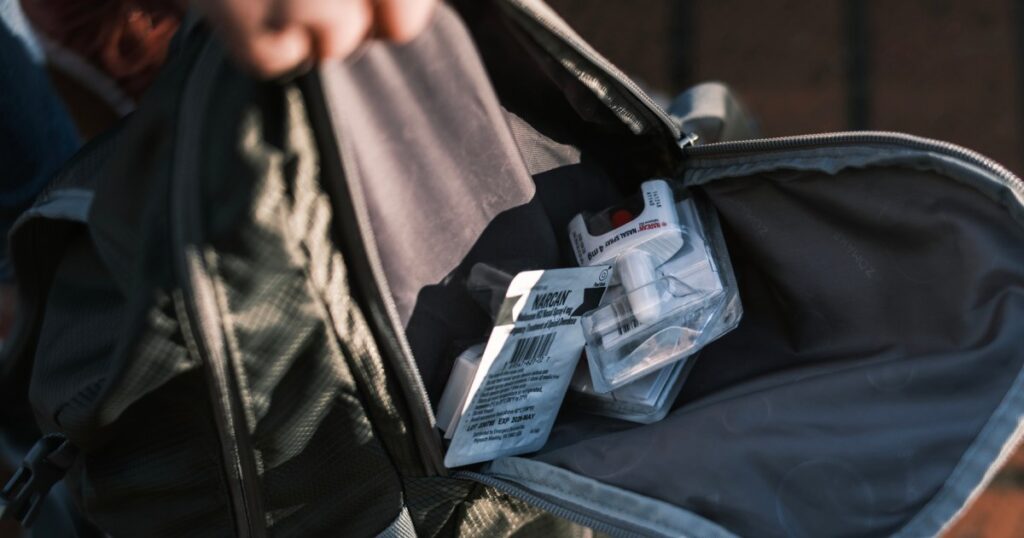
On a cold March morning, more than two dozen volunteers crammed into the room to coordinate outreach plans for the day. Neatly piled boxes of Narcan and small bags of toiletries sat on the conference room table.
A representative from each organization listed available resources for anyone needing medical attention or a detox bed. Then group divided into teams and fanned out through the city to offer services or help as needed.
By 2:45 p.m., at least two people had been sent to detox centers.

Khamrah by Lattafa for Men - 3.4 oz EDP Spray
4% Off
Ghost Sweetheart Eau de Toilette | Pineapple, Jasmine and Sandalwood | Perfume for Women 50 ml
50% Off
Marc Jacobs Dot Eau De Parfum for Women, 100 ml
42% Off
Ted Baker W Eau de Toilette for Her, Fig Leaf, White Peony and Violet Top Notes, Pink Orchid and Raspberry Middle Notes, 75ml
£11.77 (£15.69 / 100 ml) (as of 26/06/2026 03:50 GMT +01:00 - More infoProduct prices and availability are accurate as of the date/time indicated and are subject to change. Any price and availability information displayed on [relevant Amazon Site(s), as applicable] at the time of purchase will apply to the purchase of this product.)
Ted Baker Woman Pink Eau de Toilette Spray Floral Green Feminine Fragrance, Opening Notes are Fresh Peach, Bergamot and Tangerine with Warm Musk, Vanilla and Vetiver Base, 100ml
11% Off
Vera Wang Princess Eau de Toilette - 30 ml

Choco Musk 50ml Eau De Parfum for men and women | Chocolate Musk by Jannat Aromas
17% Off
Christina Aguilera Signature Eau de Parfum (50ml) Floral, Fruity & Exotic Scent, Luxury Fragrance for Women
9% Off
Calvin Klein - Eau De Toilette CKIN2U - Calvin Klein Women, Ladies Perfume, Women's Perfume, Calvin Klein Perfume, Calvin Klein One - 150 ml
5% Off
Jimmy Choo Flash Eau de Parfum, 60 ml (Pack of 1)
3% Off
Fruit of the Loom Men's Heavy T Shirt, White, XL UK
28% Off
ATNKE LED Lighted Beanie Cap,USB Rechargeable Running Hat Ultra Bright 4 LED Waterproof Light Winter Warm Gifts for Men and Women/Pink
17% Off
Men's 1/4 Zip Pullover UK Sale Clearance, Fleece Sweatshirt Casual Jumper Long Sleeve T-shirt Top Stand Collar Sweater Plain Pullover Sports Leisure Workwear Quarter Zip Sweater Lightweight Jumpers
£5.88 (as of 12/11/2025 00:52 GMT +01:00 - More infoProduct prices and availability are accurate as of the date/time indicated and are subject to change. Any price and availability information displayed on [relevant Amazon Site(s), as applicable] at the time of purchase will apply to the purchase of this product.)
Crevice Cleaning Brush, Bathroom Tile Groove Gap Cleaning Brush,Premium Crevice Cleaning Tool Aluminum Support with 15° Angle Magic Brush, Thin Brush for Home Kitchen
19% Off
Wireless Earbuds, Bluetooth 5.3 Headphones in Ear with HiFi Stereo Deep Bass, 4 ENC Noise Cancelling Mic Wireless Earphones 40H Playtime, Bluetooth Earbuds Dual LED Display, IP7 Waterproof, USB-C
42% Off