[
[
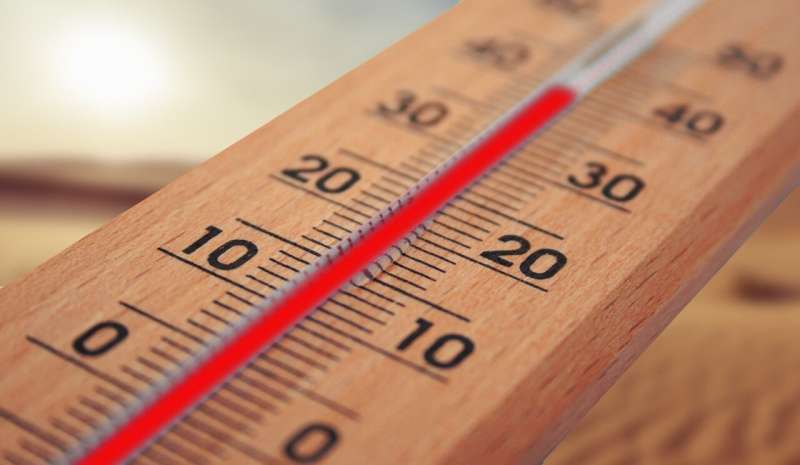
This summer’s amber heat warnings have brought with them many health risks.
Many people have experienced these health effects firsthand: brain fog, physical fatigue, restless nights and reduced productivity. If that sounds familiar, you’re not imagining it. Science shows that high temperatures can affect both our bodies and our brains—even before they reach extreme levels.
But one consequence of hot weather that many people may not know about is that it can also affect physical pain.
Our research analyzed data from a large, nationally representative survey by the global analytics firm Gallup, which recorded daily measures of pain from more than 2 million U.S. residents. We found that as temperatures increased, so did the likelihood that people would report experiencing some type of generalized physical pain.
The largest increases occurred on very hot days—around 32°C (90°F) or above. Middle-aged adults and people from lower socioeconomic backgrounds were most likely to report experiencing pain on very hot days.
Why heat worsens pain
Scientists have identified several possible explanations for why you’re more likely to experience worse pain on hot days.
Some of these causes are direct triggers of pain—including dehydration caused by heat, inflammation and other physiological processes, such as blood pressure changes, which can make existing pain worse.
Other causes are indirect triggers. For instance, hot weather can increase stress, disrupt sleep, reduce well-being and limit our ability to perform our usual daily activities, such as exercise. All of these factors are known to amplify experiences of pain.
The relationship between pain and these potential triggers can go both ways. Sleep is a good example.
Poor sleep makes people more sensitive to pain, while pain itself makes it harder to sleep. During heat waves, many people struggle to get a good night’s sleep, creating a vicious cycle in which poor sleep increases pain and pain further disrupts sleep. Over time, this cycle can take a toll on people’s well-being and quality of life.
The effects of pain extend beyond physical discomfort. Pain competes for our brain’s attention. When the body hurts, attention is diverted toward coping with that pain, leaving fewer resources available for concentration, memory and decision-making. This can affect performance at work, learning in school and even everyday decision-making.
In some situations, heat can be beneficial for pain—for example, applying a heating pad to help relieve lower back pain after a long day on your feet. But there’s an important difference between using targeted heat to treat a specific area of the body and being exposed to sustained high temperatures that affect the entire body. The latter places stress on multiple physiological systems and can worsen, rather than relieve, physical pain.
The consequences of heat’s effects on pain are not only personal—they’re also economic.
In our study, we estimate that hotter temperatures already cost the U.S. economy around $2 billion (£1.5 billion) every year through higher levels of pain. If temperatures continue to rise and no action is taken to help people adapt to extreme heat, these costs could exceed $9 billion annually by 2050.
The increasingly frequent and intense heat waves experienced in recent UK summers suggest that comparable losses in health care costs, reduced productivity and diminished quality of life could become an important challenge if hot summers become the new normal.
Bodily pain should therefore be recognized as another hidden health consequence of extreme heat.
Heat affects us in more ways than we often realize. The good news is that there are practical steps we can take to reduce these effects. Staying well hydrated, avoiding strenuous activity during the hottest hours of the day, seeking cool indoor spaces and planning outdoor activities for the morning or evening can all help reduce heat-related pain and discomfort.
Key medical concepts
Who’s behind this story?


This article is republished from The Conversation under a Creative Commons license. Read the original article.
Citation:
Hot weather can make pain worse. Here’s why (2026, August 3)
retrieved 4 August 2026
from https://medicalxpress.com/news/2026-08-hot-weather-pain-worse.html
This document is subject to copyright. Apart from any fair dealing for the purpose of private study or research, no
part may be reproduced without the written permission. The content is provided for information purposes only.

Khamrah by Lattafa for Men - 3.4 oz EDP Spray
4% Off
Ghost Sweetheart Eau de Toilette | Pineapple, Jasmine and Sandalwood | Perfume for Women 50 ml
50% Off
Marc Jacobs Dot Eau De Parfum for Women, 100 ml
42% Off
Ted Baker W Eau de Toilette for Her, Fig Leaf, White Peony and Violet Top Notes, Pink Orchid and Raspberry Middle Notes, 75ml
£11.77 (£15.69 / 100 ml) (as of 06/09/2026 04:59 GMT +01:00 - More infoProduct prices and availability are accurate as of the date/time indicated and are subject to change. Any price and availability information displayed on [relevant Amazon Site(s), as applicable] at the time of purchase will apply to the purchase of this product.)
Ted Baker Woman Pink Eau de Toilette Spray Floral Green Feminine Fragrance, Opening Notes are Fresh Peach, Bergamot and Tangerine with Warm Musk, Vanilla and Vetiver Base, 100ml
11% Off
Vera Wang Princess Eau de Toilette - 30 ml

Choco Musk 50ml Eau De Parfum for men and women | Chocolate Musk by Jannat Aromas
17% Off
Christina Aguilera Signature Eau de Parfum (50ml) Floral, Fruity & Exotic Scent, Luxury Fragrance for Women
9% Off
Calvin Klein - Eau De Toilette CKIN2U - Calvin Klein Women, Ladies Perfume, Women's Perfume, Calvin Klein Perfume, Calvin Klein One - 150 ml
5% Off
Jimmy Choo Flash Eau de Parfum, 60 ml (Pack of 1)
3% Off
Fruit of the Loom Men's Heavy T Shirt, White, XL UK
28% Off
ATNKE LED Lighted Beanie Cap,USB Rechargeable Running Hat Ultra Bright 4 LED Waterproof Light Winter Warm Gifts for Men and Women/Pink
17% Off
Men's 1/4 Zip Pullover UK Sale Clearance, Fleece Sweatshirt Casual Jumper Long Sleeve T-shirt Top Stand Collar Sweater Plain Pullover Sports Leisure Workwear Quarter Zip Sweater Lightweight Jumpers
£5.88 (as of 12/11/2025 00:52 GMT +01:00 - More infoProduct prices and availability are accurate as of the date/time indicated and are subject to change. Any price and availability information displayed on [relevant Amazon Site(s), as applicable] at the time of purchase will apply to the purchase of this product.)
Crevice Cleaning Brush, Bathroom Tile Groove Gap Cleaning Brush,Premium Crevice Cleaning Tool Aluminum Support with 15° Angle Magic Brush, Thin Brush for Home Kitchen
19% Off
Wireless Earbuds, Bluetooth 5.3 Headphones in Ear with HiFi Stereo Deep Bass, 4 ENC Noise Cancelling Mic Wireless Earphones 40H Playtime, Bluetooth Earbuds Dual LED Display, IP7 Waterproof, USB-C
42% Off