
 [
[

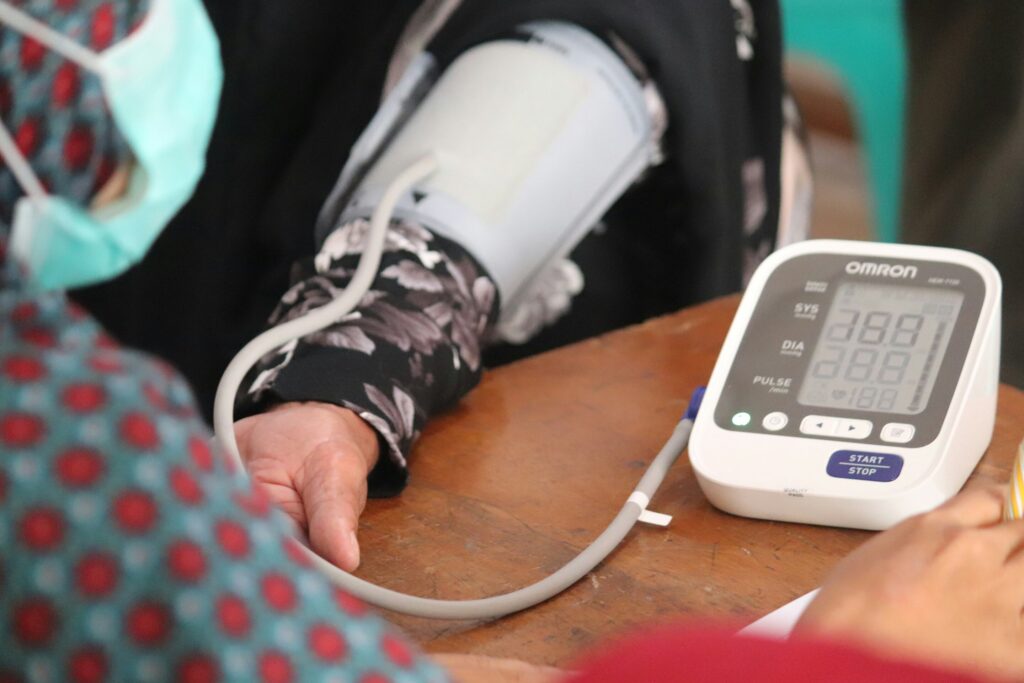
Allowing patients to measure and record their blood pressure at home has been linked to a drop in the risk of cardiovascular diseases, such as heart attack and stroke, shows a study recently published in the European Heart Journal–Digital Health. Patients who were able to self-monitor their blood pressure, with the data shared directly with doctors, had a significantly lower risk of hospitalization and death than those who received standard care.
Use of the so-called digital telemonitoring system—which also sends reminders when it is time to take a reading—could help improve patients’ health, save lives and ease pressure on the UK’s National Health System (NHS), experts say.
High blood pressure, or hypertension, is a major global health problem, leading to an estimated 7.5 million deaths each year. Lifestyle changes and medicines designed to lower blood pressure can help manage the condition. Hypertension rarely causes symptoms, so patients require long-term monitoring.
Previous studies have found that telemonitoring leads to improved blood pressure control, but there has been limited evidence of the long-term impact, including on serious outcomes such as stroke and heart failure.
Scientists from Edinburgh Napier University and the University of Edinburgh studied almost 450,000 patients across Scotland with hypertension between 2019 and 2022. Some 9,500 patients used a telemonitoring service, Connect Me BP, while the remaining patients received standard care and were monitored by their local GP.
Those who took part in the telemonitoring service saw a reduction in their blood pressure within the first three months, which was maintained for over a year. They also experienced a significant reduction in cardiovascular outcomes, hospitalizations and deaths, compared with patients receiving standard care.
The research team cautioned that although their analysis took account of differences between telemonitoring users and the wider group that might put them at lower risk of a cardiovascular event—such as younger age, requiring fewer medications for their blood pressure, and being less socioeconomically deprived—there may have been unaccounted-for differences that influenced the findings.
Further research is needed to investigate the impact of additional risk factors and to explore whether it would be beneficial to extend telemonitoring to a wider demographic and higher-risk group of people with hypertension, they suggest.
Scotland is now leading the world in deployment of the technology, with 130,000 people having used the Connect Me BP service for both diagnosis and control of blood pressure, experts say.
Janet Hanley, lead author and associate professor in the Cardiovascular Health Research Centre at Edinburgh Napier University, said, “Stroke, heart attack and heart failure are major causes of death and disability, and anything that reduces the risk is worthwhile. Blood pressure telemonitoring does this by helping people improve their blood pressure control and is easy and convenient to use.”
Brian McKinstry, from the University of Edinburgh’s Usher Institute, added, “This study provides the strongest evidence to date that telemonitoring not only reduces blood pressure but strokes and heart attacks too. It is important that we enable people from the most socioeconomically deprived parts of the country who are most at risk of these conditions to benefit from it.”
James Leiper, director of research at the British Heart Foundation, commented, “High blood pressure raises your risk of having a heart attack and stroke, and once people are diagnosed, they must be monitored closely to ensure they are being effectively treated. This study is further evidence that empowering people to check their blood pressure regularly at home and send their results to a doctor, with regular reminders to do so, is an efficient approach that could help improve people’s blood pressure control.
“The reduction in the risk of hospitalizations and deaths from serious cardiovascular events seen in this study is encouraging. Innovative approaches like these could help people to live well for longer.”
More information
Janet Hanley et al, Blood pressure telemonitoring and the incidence of cardiovascular events: a records based, matched patient analysis, European Heart Journal – Digital Health (2026). DOI: 10.1093/ehjdh/ztag069
Who’s behind this story?

Stephanie Baum

Citation:
Home blood pressure tests could prevent heart attack and stroke (2026, June 11)
retrieved 11 June 2026
from https://medicalxpress.com/news/2026-06-home-blood-pressure-heart.html
This document is subject to copyright. Apart from any fair dealing for the purpose of private study or research, no
part may be reproduced without the written permission. The content is provided for information purposes only.

Khamrah by Lattafa for Men - 3.4 oz EDP Spray
4% Off
Ghost Sweetheart Eau de Toilette | Pineapple, Jasmine and Sandalwood | Perfume for Women 50 ml
50% Off
Marc Jacobs Dot Eau De Parfum for Women, 100 ml
42% Off
Ted Baker W Eau de Toilette for Her, Fig Leaf, White Peony and Violet Top Notes, Pink Orchid and Raspberry Middle Notes, 75ml
£11.77 (£15.69 / 100 ml) (as of 11/06/2026 03:31 GMT +01:00 - More infoProduct prices and availability are accurate as of the date/time indicated and are subject to change. Any price and availability information displayed on [relevant Amazon Site(s), as applicable] at the time of purchase will apply to the purchase of this product.)
Ted Baker Woman Pink Eau de Toilette Spray Floral Green Feminine Fragrance, Opening Notes are Fresh Peach, Bergamot and Tangerine with Warm Musk, Vanilla and Vetiver Base, 100ml
11% Off
Vera Wang Princess Eau de Toilette - 30 ml

Choco Musk 50ml Eau De Parfum for men and women | Chocolate Musk by Jannat Aromas
17% Off
Christina Aguilera Signature Eau de Parfum (50ml) Floral, Fruity & Exotic Scent, Luxury Fragrance for Women
9% Off
Calvin Klein - Eau De Toilette CKIN2U - Calvin Klein Women, Ladies Perfume, Women's Perfume, Calvin Klein Perfume, Calvin Klein One - 150 ml
5% Off
Jimmy Choo Flash Eau de Parfum, 60 ml (Pack of 1)
3% Off
Fruit of the Loom Men's Heavy T Shirt, White, XL UK
28% Off
ATNKE LED Lighted Beanie Cap,USB Rechargeable Running Hat Ultra Bright 4 LED Waterproof Light Winter Warm Gifts for Men and Women/Pink
17% Off
Men's 1/4 Zip Pullover UK Sale Clearance, Fleece Sweatshirt Casual Jumper Long Sleeve T-shirt Top Stand Collar Sweater Plain Pullover Sports Leisure Workwear Quarter Zip Sweater Lightweight Jumpers
£5.88 (as of 12/11/2025 00:52 GMT +01:00 - More infoProduct prices and availability are accurate as of the date/time indicated and are subject to change. Any price and availability information displayed on [relevant Amazon Site(s), as applicable] at the time of purchase will apply to the purchase of this product.)
Crevice Cleaning Brush, Bathroom Tile Groove Gap Cleaning Brush,Premium Crevice Cleaning Tool Aluminum Support with 15° Angle Magic Brush, Thin Brush for Home Kitchen
19% Off
Wireless Earbuds, Bluetooth 5.3 Headphones in Ear with HiFi Stereo Deep Bass, 4 ENC Noise Cancelling Mic Wireless Earphones 40H Playtime, Bluetooth Earbuds Dual LED Display, IP7 Waterproof, USB-C
42% Off


