 [
[
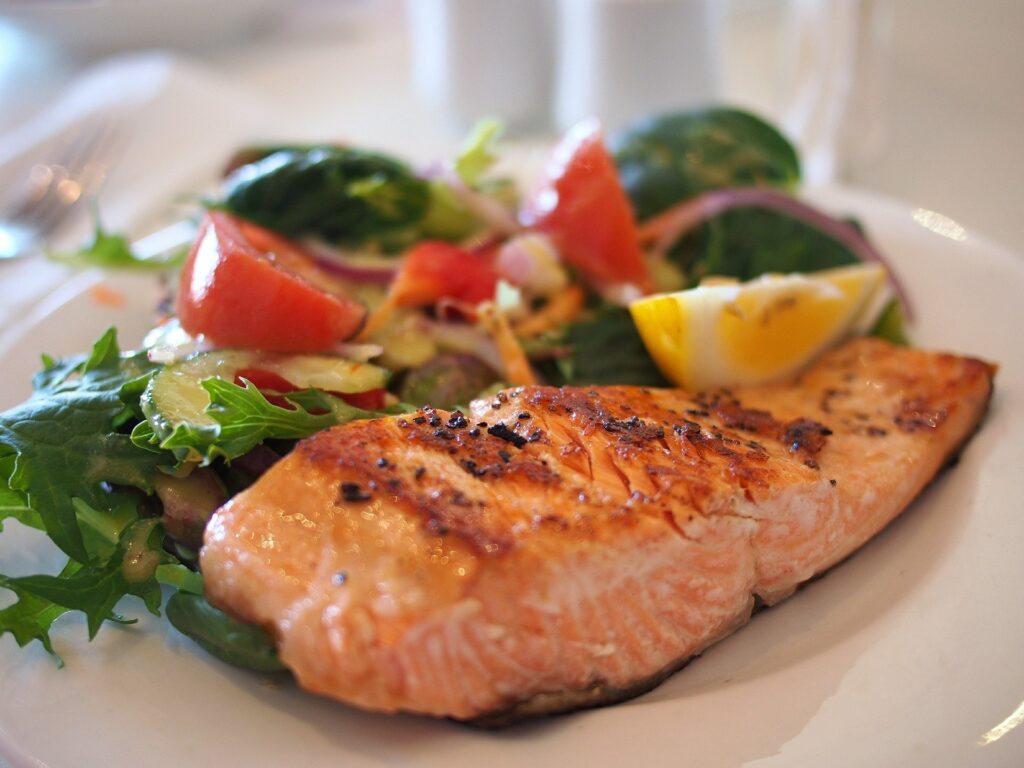
A high dietary intake of lean and oily fish may slow the progression of disability in people with multiple sclerosis (MS), suggests a comparative population-based study, published online in the Journal of Neurology Neurosurgery & Psychiatry.
The anti-inflammatory and neuroprotective properties of the nutrients found in fish may be key, say the researchers, who add that their findings underscore the potential importance of diet in managing the disease.
Emerging evidence indicates that diet may have a role in the development of inflammatory diseases, including MS, explain the researchers.
While previously published research has linked fish consumption with lower levels of disability among those with MS, few studies have looked at whether it might slow or lessen the progression of disability, they point out.
To explore this further, they drew on 2,719 newly diagnosed participants (average age 38) in the Epidemiologic Investigation of Multiple Sclerosis (EIMS) study, a Swedish nationwide population-based case-control study, all of whom were recruited between April 2005 and June 2015.
On entry to EIMS, all participants provided information on environmental exposures and lifestyle habits, including their consumption of lean and oily fish, which was categorized as: never or seldom; one to three times a month; and weekly, and scored from 2 to 6, depending on whether they ate lean or oily fish, or both.
Their disease progression, measured using the Expanded Disability Status Scale (EDSS), was tracked for up to 15 years through the Swedish MS Registry.
Confirmed disability worsening was defined as an increase in the EDSS score of at least 1 point from baseline, sustained between two further check-ups, at least six months apart.
The highest fish consumption at diagnosis was associated with a 44% lower risk of confirmed disability worsening as well as a 45% lower risk of progressing to EDSS 3 and a 43% lower risk of progressing to EDSS 4 compared with those who ate none or very little.
And the more lean and oily fish that was consumed, the lower was the risk of confirmed disability worsening and progression to EDSS 3 and 4, trends analysis indicated.
In 2021, 1,719 participants completed an online follow-up questionnaire which assessed changes in fish intake over time. Some 412 (24%) had altered their fish consumption: 288 had increased it; 124 had decreased it.
Those who increased their score from 2–3 to a score of 5–6 within five years after diagnosis (133) had a 20% lower risk of confirmed disability worsening, compared with those who continued to eat little or no fish (400).
Only 16 participants increased their fish consumption from a baseline score of 2 to a score of 5–6, but they had a 59% lower risk of confirmed disability worsening, compared with those who remained at the lowest level of consumption (101).
The findings held true even when the potentially influential factors of physical activity, weight (BMI), smoking, alcohol intake, and sun exposure were accounted for. They also remained similar when further adjustments were made for vitamin D levels.
This is an observational study, and as such, no firm conclusions can be drawn about cause and effect. And further research to validate the findings and investigate the underlying biological mechanisms is required, say the researchers.
But they suggest, “While omega-3 fatty acids, predominantly found in oily fish, may contribute to reduced disability progression, the beneficial effects observed from lean fish consumption suggest that other factors may also play a significant role. One such factor is taurine, an amino acid found in significant amounts in fish and seafood.”
They explain, “Taurine is the most abundant free amino acid in the brain and, although there are endogenous mechanisms for its production, an exogenous supply is necessary to meet physiological needs.”
They add, “Taurine has diverse cellular functions, including cytoprotective actions through antioxidative and anti-inflammatory effects, making it a potential therapeutic agent for neurological disorders.”
And they conclude, “The results underscore the potential role of diet, particularly fish consumption, as a modifiable factor that could complement existing therapeutic strategies for MS.”
More information:
Impact of fish consumption on disability progression in multiple sclerosis, Journal of Neurology Neurosurgery & Psychiatry (2025). DOI: 10.1136/jnnp-2024-353200
Citation:
High dietary fish intake may slow disability progression in multiple sclerosis, study suggests (2025, February 25)
retrieved 25 February 2025
from https://medicalxpress.com/news/2025-02-high-dietary-fish-intake-disability.html
This document is subject to copyright. Apart from any fair dealing for the purpose of private study or research, no
part may be reproduced without the written permission. The content is provided for information purposes only.

Khamrah by Lattafa for Men - 3.4 oz EDP Spray
4% Off
Ghost Sweetheart Eau de Toilette | Pineapple, Jasmine and Sandalwood | Perfume for Women 50 ml
50% Off
Marc Jacobs Dot Eau De Parfum for Women, 100 ml
42% Off
Ted Baker W Eau de Toilette for Her, Fig Leaf, White Peony and Violet Top Notes, Pink Orchid and Raspberry Middle Notes, 75ml
£11.77 (£15.69 / 100 ml) (as of 18/07/2026 03:59 GMT +01:00 - More infoProduct prices and availability are accurate as of the date/time indicated and are subject to change. Any price and availability information displayed on [relevant Amazon Site(s), as applicable] at the time of purchase will apply to the purchase of this product.)
Ted Baker Woman Pink Eau de Toilette Spray Floral Green Feminine Fragrance, Opening Notes are Fresh Peach, Bergamot and Tangerine with Warm Musk, Vanilla and Vetiver Base, 100ml
11% Off
Vera Wang Princess Eau de Toilette - 30 ml

Choco Musk 50ml Eau De Parfum for men and women | Chocolate Musk by Jannat Aromas
17% Off
Christina Aguilera Signature Eau de Parfum (50ml) Floral, Fruity & Exotic Scent, Luxury Fragrance for Women
9% Off
Calvin Klein - Eau De Toilette CKIN2U - Calvin Klein Women, Ladies Perfume, Women's Perfume, Calvin Klein Perfume, Calvin Klein One - 150 ml
5% Off
Jimmy Choo Flash Eau de Parfum, 60 ml (Pack of 1)
3% Off
Fruit of the Loom Men's Heavy T Shirt, White, XL UK
28% Off
ATNKE LED Lighted Beanie Cap,USB Rechargeable Running Hat Ultra Bright 4 LED Waterproof Light Winter Warm Gifts for Men and Women/Pink
17% Off
Men's 1/4 Zip Pullover UK Sale Clearance, Fleece Sweatshirt Casual Jumper Long Sleeve T-shirt Top Stand Collar Sweater Plain Pullover Sports Leisure Workwear Quarter Zip Sweater Lightweight Jumpers
£5.88 (as of 12/11/2025 00:52 GMT +01:00 - More infoProduct prices and availability are accurate as of the date/time indicated and are subject to change. Any price and availability information displayed on [relevant Amazon Site(s), as applicable] at the time of purchase will apply to the purchase of this product.)
Crevice Cleaning Brush, Bathroom Tile Groove Gap Cleaning Brush,Premium Crevice Cleaning Tool Aluminum Support with 15° Angle Magic Brush, Thin Brush for Home Kitchen
19% Off
Wireless Earbuds, Bluetooth 5.3 Headphones in Ear with HiFi Stereo Deep Bass, 4 ENC Noise Cancelling Mic Wireless Earphones 40H Playtime, Bluetooth Earbuds Dual LED Display, IP7 Waterproof, USB-C
42% Off