[
[
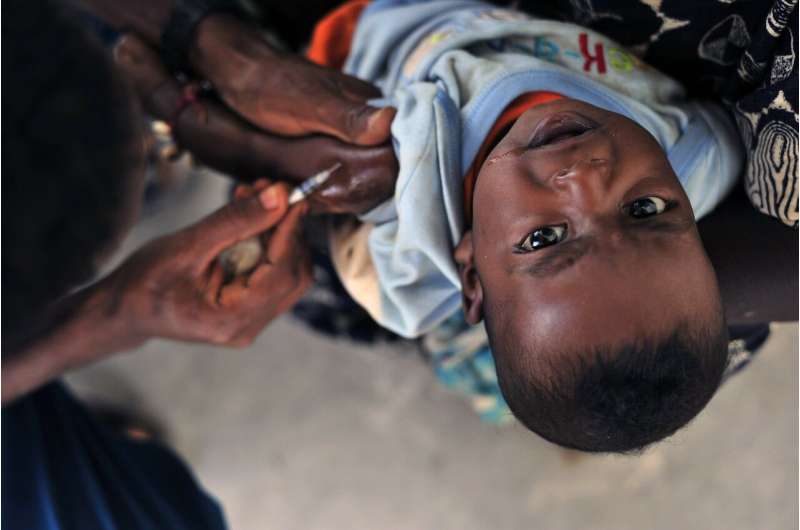
Preterm babies who receive a hepatitis B virus (HBV) vaccine at birth aren’t at increased risk of developing a chronic lung disease that affects newborns, according to a new study.
The research, led by Murdoch Children’s Research Institute (MCRI) and published in the Bulletin of the World Health Organization (WHO), found that babies born before 29 weeks gestation who had a HBV vaccine shortly after birth weren’t more likely to be diagnosed with bronchopulmonary dysplasia (BPD) than unvaccinated babies.
For the study, the largest of its kind in the world and involving 818 preterm babies in Victoria, used the Vaccine Safety Health Link. The link joins together multiple state-wide immunization and health outcome datasets. It found that 51 percent of the vaccinated babies went onto develop BPD, compared to 62 percent in the unvaccinated group.
BPD is a severe lung disease that is common among very preterm babies and can cause a range of health and developmental challenges including asthma, heart problems and neurodevelopmental disability.
HBV, the most common blood-borne virus in Australia, attacks the liver and can be passed on in utero. Babies that are infected are 90 percent more likely to develop chronic infection compared with those infected later in infancy or childhood. The most effective preventive intervention for HBV is vaccination.
The WHO and Australian guidelines recommend that all children receive a birth dose HBV vaccine, no matter their size. However, the rates of vaccination for HBV among preterm babies varies across Australia and globally.
MCRI researcher Hannah Morgan said the study supported the existing recommendations to immunize all newborns against hepatitis B within 24 hours of birth.
“This study identified no evidence of an increased risk of BPD in preterm infants who received the HBV vaccine compared to those who didn’t,” she said. These findings could help streamline decision-making in neonatal care units across the country.”
The initial concerns about a potential link were raised by Australian researchers who observed an association between specific antibodies after vaccination and a higher risk of BPD developing.
Ms Morgan said, given the recommendation to vaccinate, it was a national priority to investigate this further, especially in Victoria, which had the data to draw on.
“Victoria is unique in that we can link anonymous, statewide data on vaccination with birth records, perinatal and the outcomes of babies, ensuring the latest safety information can be provided,” she said.
“The Vaccine Safety Health Link, established by the Center for Health Analytics, has proven to be a powerful tool that continues to help us answer ongoing questions in vaccine research.”
Together with the Surveillance of Adverse Events Following Vaccination in the Community (SAEFVIC), the datasets provide public health recommendations to inform the Victorian Immunization Program.
More information:
H. J. Morgan et al, No evidence of increased risk of bronchopulmonary dysplasia following birth dose hepatitis B vaccination in preterm infants – a large, linked cohort study, Bulletin of the World Health Organization (2025). DOI: 10.2471/BLT.24.291683. cdn.who.int/media/docs/default … st/blt.24.291683.pdf
Citation:
Hep B vaccine does not increase risk of chronic lung disease in preterm babies, finds study (2025, January 28)
retrieved 28 January 2025
from https://medicalxpress.com/news/2025-01-hep-vaccine-chronic-lung-disease.html
This document is subject to copyright. Apart from any fair dealing for the purpose of private study or research, no
part may be reproduced without the written permission. The content is provided for information purposes only.

Khamrah by Lattafa for Men - 3.4 oz EDP Spray
4% Off
Ghost Sweetheart Eau de Toilette | Pineapple, Jasmine and Sandalwood | Perfume for Women 50 ml
50% Off
Marc Jacobs Dot Eau De Parfum for Women, 100 ml
42% Off
Ted Baker W Eau de Toilette for Her, Fig Leaf, White Peony and Violet Top Notes, Pink Orchid and Raspberry Middle Notes, 75ml
£11.77 (£15.69 / 100 ml) (as of 30/04/2026 03:09 GMT +01:00 - More infoProduct prices and availability are accurate as of the date/time indicated and are subject to change. Any price and availability information displayed on [relevant Amazon Site(s), as applicable] at the time of purchase will apply to the purchase of this product.)
Ted Baker Woman Pink Eau de Toilette Spray Floral Green Feminine Fragrance, Opening Notes are Fresh Peach, Bergamot and Tangerine with Warm Musk, Vanilla and Vetiver Base, 100ml
11% Off
Vera Wang Princess Eau de Toilette - 30 ml

Choco Musk 50ml Eau De Parfum for men and women | Chocolate Musk by Jannat Aromas
17% Off
Christina Aguilera Signature Eau de Parfum (50ml) Floral, Fruity & Exotic Scent, Luxury Fragrance for Women
9% Off
Calvin Klein - Eau De Toilette CKIN2U - Calvin Klein Women, Ladies Perfume, Women's Perfume, Calvin Klein Perfume, Calvin Klein One - 150 ml
5% Off
Jimmy Choo Flash Eau de Parfum, 60 ml (Pack of 1)
3% Off
Fruit of the Loom Men's Heavy T Shirt, White, XL UK
28% Off
ATNKE LED Lighted Beanie Cap,USB Rechargeable Running Hat Ultra Bright 4 LED Waterproof Light Winter Warm Gifts for Men and Women/Pink
17% Off
Men's 1/4 Zip Pullover UK Sale Clearance, Fleece Sweatshirt Casual Jumper Long Sleeve T-shirt Top Stand Collar Sweater Plain Pullover Sports Leisure Workwear Quarter Zip Sweater Lightweight Jumpers
£5.88 (as of 12/11/2025 00:52 GMT +01:00 - More infoProduct prices and availability are accurate as of the date/time indicated and are subject to change. Any price and availability information displayed on [relevant Amazon Site(s), as applicable] at the time of purchase will apply to the purchase of this product.)
Crevice Cleaning Brush, Bathroom Tile Groove Gap Cleaning Brush,Premium Crevice Cleaning Tool Aluminum Support with 15° Angle Magic Brush, Thin Brush for Home Kitchen
19% Off
Wireless Earbuds, Bluetooth 5.3 Headphones in Ear with HiFi Stereo Deep Bass, 4 ENC Noise Cancelling Mic Wireless Earphones 40H Playtime, Bluetooth Earbuds Dual LED Display, IP7 Waterproof, USB-C
42% Off