 [
[
A blood stem cell donation can save the lives of people with leukemia. To collect these cells from the bloodstream, donors are given medication that mobilizes blood stem cells from the bone marrow. A pilot study now suggests that physical exercise could specifically support stem cell donation.
Blood stem cells in the bone marrow continuously produce new blood and immune cells. When this system becomes diseased, as in leukemia, a transplant of healthy stem cells from a compatible donor can offer a chance of cure.
Before donating stem cells, donors receive the drug G-CSF, which mobilizes blood stem cells from the bone marrow so they can be collected from the blood. However, treatment with G-CSF is often associated with side effects such as bone pain. In some cases, the number of stem cells collected is also insufficient, requiring additional treatment cycles and medication.
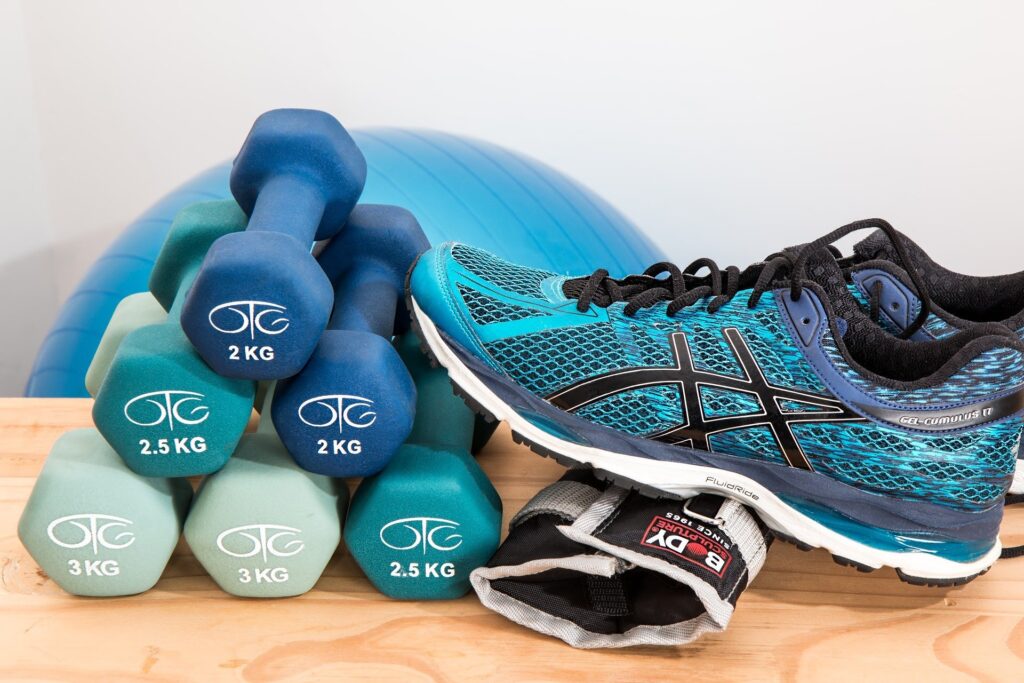
Previous studies have shown that intense physical exercise can likewise release blood stem cells into the bloodstream. Unlike additional medication, physical exercise is considered very low risk. PD Dr. Julia Kröpfl together with a research team from the Department of Sport, Exercise and Health at the University of Basel, therefore investigated this effect in a pilot study. For the first time, the researchers directly compared in the same donors how physical exercise and G-CSF mobilize blood stem cells.
The findings are published in the European Journal of Applied Physiology.
Cycling for stem cell donation
In collaboration with Professor Andreas Holbro, senior physician at Blood Donation Northwest Switzerland and the Department of Hematology at the University Hospital Basel, the team recruited seven male and three female donors who were preparing to donate blood stem cells to family members. The participants first completed an intensive cycling session on an ergometer and provided blood samples before and after the exercise. A few days later, they underwent the conventional treatment with G-CSF.
The direct comparison revealed differences in both the quantity and composition of the mobilized blood stem cells. Previous studies have shown that, after an intense training session, the number of stem cells rises within minutes but then rapidly declines again. With G-CSF, by contrast, it takes several days for blood stem cell levels in the bloodstream to increase.
In terms of the number of blood stem cells in the blood, physical exercise had a significantly smaller effect than the medication. The acute exercise stimulus increased stem cell numbers only moderately—to around one-and-a-half to two times baseline levels. With G-CSF, however, stem cell levels increased 20- to 50-fold.
“The effect of acute physical exercise is small, but it is more targeted in terms of the composition of the mobilized cells,” explains Kröpfl.
G-CSF non-specifically releases all subtypes of blood stem cells. Intense physical exercise, by contrast, specifically dislodged cells considered beneficial for a successful transplant. These include, for example, platelet precursor cells and less mature—essentially “early”—blood stem cells, which are thought to have a particularly high capacity to establish themselves in the recipient’s body. What this means clinically for patients, however, remains unclear.
Not a replacement, but a promising adjuvant
Previous analyses suggest that acute physical exercise primarily mobilizes blood stem cells that adhere to blood vessel walls, due to increased blood flow. This could explain the faster effect of exercise compared with the medication.
“Physical exercise cannot replace G-CSF treatment for stem cell donation, but it could potentially complement it,” emphasizes Kröpfl. “The combination of both approaches would be promising.” While the drug releases stem cells from the bone marrow, physical exercise could additionally mobilize cells adhering to blood vessels, thereby complementing and potentially enhancing the effect of G-CSF.
Because of the small number of participants, the study provides only preliminary evidence that will need to be confirmed by further research. However, Kröpfl explains that a study combining G-CSF and cycling cannot currently be conducted in Switzerland for ethical reasons. There is too much uncertainty about whether physical exercise could worsen the side effects of G-CSF and potential complications during stem cell collection.
“However, it is entirely possible that exercise could actually alleviate these side effects, as has also been observed in patients undergoing chemotherapy,” says the molecular biologist. A study in England is already investigating the combination of G-CSF and cycling.
Publication details
Elias Siebold et al, Cellular profile of hematopoietic stem cells mobilized by exercise versus G-CSF in healthy related donors, European Journal of Applied Physiology (2026). DOI: 10.1007/s00421-026-06224-7
Journal information:
European Journal of Applied Physiology
Clinical categories


Citation:
Cycling may boost stem cell donation with targeted cell release, pilot study suggests (2026, May 11)
retrieved 11 May 2026
from https://medicalxpress.com/news/2026-05-boost-stem-cell-donation.html
This document is subject to copyright. Apart from any fair dealing for the purpose of private study or research, no
part may be reproduced without the written permission. The content is provided for information purposes only.

Khamrah by Lattafa for Men - 3.4 oz EDP Spray
4% Off
Ghost Sweetheart Eau de Toilette | Pineapple, Jasmine and Sandalwood | Perfume for Women 50 ml
50% Off
Marc Jacobs Dot Eau De Parfum for Women, 100 ml
42% Off
Ted Baker W Eau de Toilette for Her, Fig Leaf, White Peony and Violet Top Notes, Pink Orchid and Raspberry Middle Notes, 75ml
£11.77 (£15.69 / 100 ml) (as of 14/09/2026 05:03 GMT +01:00 - More infoProduct prices and availability are accurate as of the date/time indicated and are subject to change. Any price and availability information displayed on [relevant Amazon Site(s), as applicable] at the time of purchase will apply to the purchase of this product.)
Ted Baker Woman Pink Eau de Toilette Spray Floral Green Feminine Fragrance, Opening Notes are Fresh Peach, Bergamot and Tangerine with Warm Musk, Vanilla and Vetiver Base, 100ml
11% Off
Vera Wang Princess Eau de Toilette - 30 ml

Choco Musk 50ml Eau De Parfum for men and women | Chocolate Musk by Jannat Aromas
17% Off
Christina Aguilera Signature Eau de Parfum (50ml) Floral, Fruity & Exotic Scent, Luxury Fragrance for Women
9% Off
Calvin Klein - Eau De Toilette CKIN2U - Calvin Klein Women, Ladies Perfume, Women's Perfume, Calvin Klein Perfume, Calvin Klein One - 150 ml
5% Off
Jimmy Choo Flash Eau de Parfum, 60 ml (Pack of 1)
3% Off
Fruit of the Loom Men's Heavy T Shirt, White, XL UK
28% Off
ATNKE LED Lighted Beanie Cap,USB Rechargeable Running Hat Ultra Bright 4 LED Waterproof Light Winter Warm Gifts for Men and Women/Pink
17% Off
Men's 1/4 Zip Pullover UK Sale Clearance, Fleece Sweatshirt Casual Jumper Long Sleeve T-shirt Top Stand Collar Sweater Plain Pullover Sports Leisure Workwear Quarter Zip Sweater Lightweight Jumpers
£5.88 (as of 12/11/2025 00:52 GMT +01:00 - More infoProduct prices and availability are accurate as of the date/time indicated and are subject to change. Any price and availability information displayed on [relevant Amazon Site(s), as applicable] at the time of purchase will apply to the purchase of this product.)
Crevice Cleaning Brush, Bathroom Tile Groove Gap Cleaning Brush,Premium Crevice Cleaning Tool Aluminum Support with 15° Angle Magic Brush, Thin Brush for Home Kitchen
19% Off
Wireless Earbuds, Bluetooth 5.3 Headphones in Ear with HiFi Stereo Deep Bass, 4 ENC Noise Cancelling Mic Wireless Earphones 40H Playtime, Bluetooth Earbuds Dual LED Display, IP7 Waterproof, USB-C
42% Off