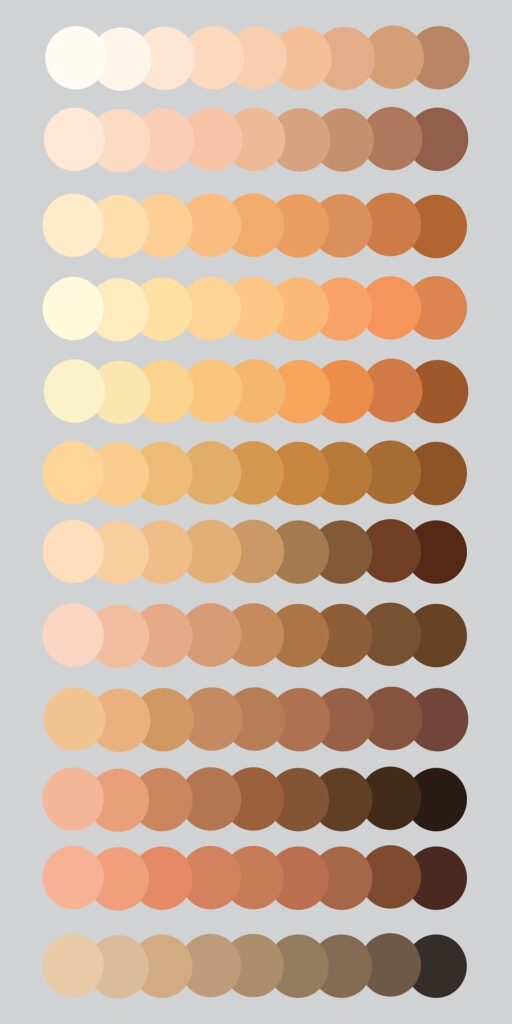

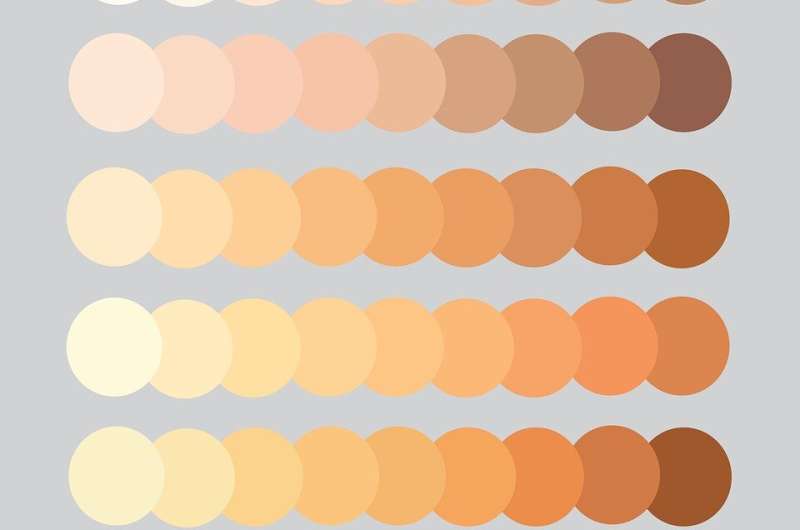
Researchers from QIMR Berghofer have found that declining melanoma rates among young Australians have been influenced by the country’s increasingly diverse population and more varied skin tones.
According to the new research, almost 30% of young Australians now have a low to moderate risk of melanoma because of their ancestry and darker skin tones. The research was published in the Medical Journal of Australia.
While public health campaigns like the “Slip! Slop! Slap!” ads of the 1980s have been credited with reducing melanoma rates, the study led by Professor David Whiteman, who has spent the past 30 years researching skin cancer, suggests that demographic changes have also been a significant factor.
“Melanoma incidence has risen steeply over time in people over 50, but has fallen steadily among young Australians,” Professor Whiteman said.
“Health practitioners attribute this to the success of the public campaigns that commenced decades ago. However, those assessments do not recognize Australia’s increasing population diversity with respect to melanoma risk.
“More than half of Australia’s population are either born overseas or have a parent who was born overseas, so there is now a much higher proportion of people whose ancestry places them at lower risk of melanoma than those with ancestry traced to Great Britain and northern Europe.”
The researchers found the estimated proportion of Australians at high risk of melanoma had dropped from 85.3% in 2006 to 71% in 2021.
They used detailed census data to model melanoma rates by age group among those with high, moderate, and low-risk ancestry, to test whether the declining melanoma incidence in the young was all explained by fewer people in those younger age groups being at high risk.
Professor Whiteman said that while immigration did explain part of the fall in melanoma rates, they also found a drop in melanoma rates among young, fair-skinned Australians with European ancestry. Professor Whiteman said this could partly be explained by lifestyle changes.
“Young people in industrialized countries are spending more time inside on screens and less time outside, with consecutive studies indicating this could be contributing to lower rates of melanoma,” he said.
The United States and New Zealand have also seen a reduction in melanoma rates among young people of European ancestry, which suggests those populations have experienced similar changes in lifestyle and sun exposure to Australia.
“While sun protection campaigns have been prominent in Australia for many years, they have been much less common in the United States and New Zealand. So, it seems unlikely that the observed reductions in melanoma rates in those countries could be attributed to organized public health activities,” Professor Whiteman said.
However, he said national prevention and education efforts were still crucial to reducing rates of the preventable and potentially deadly cancer.
“Since most melanomas are linked to sun exposure, which can be controlled, and considering Australians are often exposed to intense sunlight for much of the year, we need to continue our national public health campaigns.”
More information:
David C Whiteman et al, Changes in the incidence of melanoma in Australia, 2006–2021, by age group and ancestry: a modelling study, Medical Journal of Australia (2024). DOI: 10.5694/mja2.52404
Provided by
QIMR Berghofer
Citation:
Australian researchers attribute drop in melanoma rates to increasingly diverse population (2024, September 3)
retrieved 3 September 2024
from https://medicalxpress.com/news/2024-09-australian-attribute-melanoma-diverse-population.html
This document is subject to copyright. Apart from any fair dealing for the purpose of private study or research, no
part may be reproduced without the written permission. The content is provided for information purposes only.

Khamrah by Lattafa for Men - 3.4 oz EDP Spray
4% Off
Ghost Sweetheart Eau de Toilette | Pineapple, Jasmine and Sandalwood | Perfume for Women 50 ml
50% Off
Marc Jacobs Dot Eau De Parfum for Women, 100 ml
42% Off
Ted Baker W Eau de Toilette for Her, Fig Leaf, White Peony and Violet Top Notes, Pink Orchid and Raspberry Middle Notes, 75ml
£11.77 (£15.69 / 100 ml) (as of 28/09/2026 05:08 GMT +01:00 - More infoProduct prices and availability are accurate as of the date/time indicated and are subject to change. Any price and availability information displayed on [relevant Amazon Site(s), as applicable] at the time of purchase will apply to the purchase of this product.)
Ted Baker Woman Pink Eau de Toilette Spray Floral Green Feminine Fragrance, Opening Notes are Fresh Peach, Bergamot and Tangerine with Warm Musk, Vanilla and Vetiver Base, 100ml
11% Off
Vera Wang Princess Eau de Toilette - 30 ml

Choco Musk 50ml Eau De Parfum for men and women | Chocolate Musk by Jannat Aromas
17% Off
Christina Aguilera Signature Eau de Parfum (50ml) Floral, Fruity & Exotic Scent, Luxury Fragrance for Women
9% Off
Calvin Klein - Eau De Toilette CKIN2U - Calvin Klein Women, Ladies Perfume, Women's Perfume, Calvin Klein Perfume, Calvin Klein One - 150 ml
5% Off
Jimmy Choo Flash Eau de Parfum, 60 ml (Pack of 1)
3% Off
Fruit of the Loom Men's Heavy T Shirt, White, XL UK
28% Off
ATNKE LED Lighted Beanie Cap,USB Rechargeable Running Hat Ultra Bright 4 LED Waterproof Light Winter Warm Gifts for Men and Women/Pink
17% Off
Men's 1/4 Zip Pullover UK Sale Clearance, Fleece Sweatshirt Casual Jumper Long Sleeve T-shirt Top Stand Collar Sweater Plain Pullover Sports Leisure Workwear Quarter Zip Sweater Lightweight Jumpers
£5.88 (as of 12/11/2025 00:52 GMT +01:00 - More infoProduct prices and availability are accurate as of the date/time indicated and are subject to change. Any price and availability information displayed on [relevant Amazon Site(s), as applicable] at the time of purchase will apply to the purchase of this product.)
Crevice Cleaning Brush, Bathroom Tile Groove Gap Cleaning Brush,Premium Crevice Cleaning Tool Aluminum Support with 15° Angle Magic Brush, Thin Brush for Home Kitchen
19% Off
Wireless Earbuds, Bluetooth 5.3 Headphones in Ear with HiFi Stereo Deep Bass, 4 ENC Noise Cancelling Mic Wireless Earphones 40H Playtime, Bluetooth Earbuds Dual LED Display, IP7 Waterproof, USB-C
42% Off