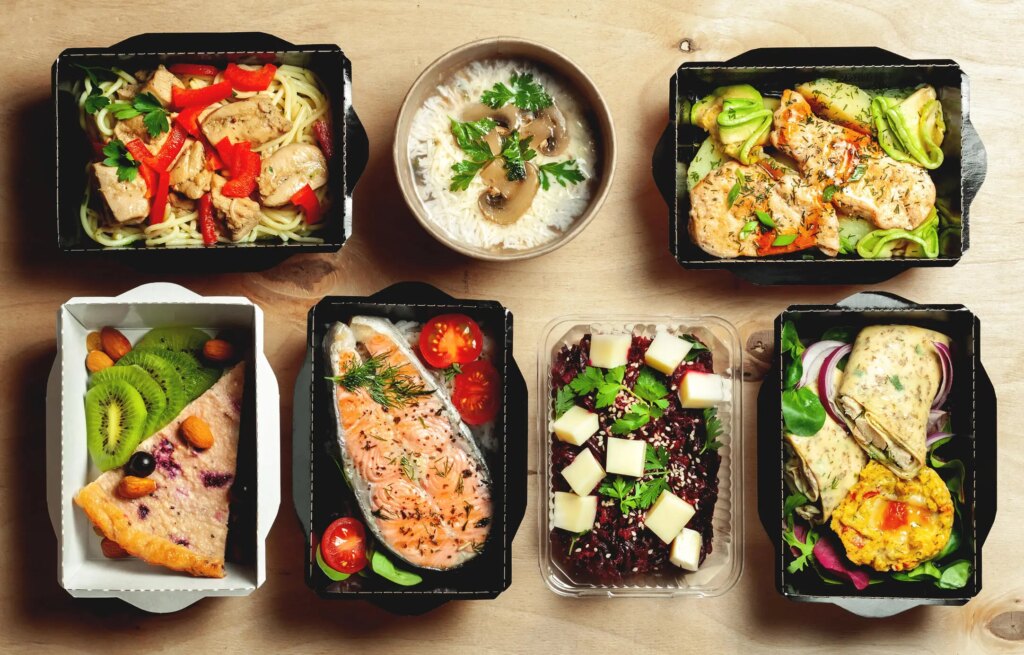

Eating on GLP-1s presents unique challenges. We asked an expert if a curated meal delivery service can help.
inspired_by_the_light/Getty Images
GLP-1 receptor agonists — the class of drugs behind brand names such as Ozempic, Mounjaro, and Wegovy — have exploded in popularity by mimicking hormones the body naturally produces to manage blood sugar, curb appetite and slow digestion.
These medications work in part by tamping down hunger, which is a major reason they’ve proven effective for weight loss. But that same appetite suppression means people taking them often have to rethink how they eat to make sure they’re still getting enough essential nutrients. If you’re not used to planning meals or tracking your calorie and macronutrient intake, that shift can take some getting used to.
To help make sense of it, I spoke with Juliana Vocca, a registered dietitian with a master’s degree in nutrition science and founder of Prime Women Nutrition. She shared her go-to food strategies for people on these medications, along with a few dietitian-recommended meal kit options for anyone looking to simplify the process.
What should you eat on GLP-1s?

Protein and fiber have outsized importance for someone on GLP-1s.
Getty Images
There are three key nutrients to consider while on GLP-1s: protein, fiber and hydration.
“Protein helps maintain lean muscle mass, while fiber and hydration help keep things moving through the body, resulting in better tolerance,” explains Vocca. “Because GLP‑1 medications slow digestion and curb appetite, every bite needs to count. That means focusing on foods that support muscle, steady energy and comfortable digestion.”

The Best Meat Delivery Services out of Dozens We Tried
Good sources of lean protein at every meal include chicken, fish, eggs, tofu, Greek yogurt, cottage cheese and beans. These help to preserve muscle during weight loss and are easier to digest than heavy, high-fat alternatives.
“Aim for 1.2 to 2 grams of protein per kilogram of body weight or around 90 to 150 grams per day,” she advises.
For fiber, options such as vegetables, berries, lentils, chickpeas, oats, quinoa and whole-grain bread can help keep the body “regular” (a common challenge on GLP-1s) and help patients feel satisfied with smaller portions.
“Opt for healthy fats in modest amounts,” adds Vocca, which can be found in avocado, nuts, seeds and olive oil. “These will also support nutrient absorption without overwhelming a slowed-down GI tract.”
Read more: Aiming to Get 100 Grams of Protein Per Meal? Here’s What It Should Look Like
But perhaps the most important element of all is maintaining hydration. “Sip throughout the day to prevent constipation and help your gut cope with slower motility [how food moves through your gastrointestinal tract],” says Vocca. “Also, choose smaller, more frequent meals. Big portions can feel uncomfortable; nutrient‑dense mini‑meals often sit better.”
What vitamins and minerals should patients focus on receiving?

Eating less overall means taking steps to ensure you’re getting enough vitamins and minerals.
Kinga Krzeminska/Getty Images
Because GLP-1 medications naturally reduce appetite and slow digestion, people often eat less overall.
“This means fewer opportunities to get key nutrients, not because of the medications themselves, but because overall intake drops,” shares Vocca. “The vitamins most commonly affected are vitamin D, calcium, iron and B vitamins.”
“A healthcare professional can help determine whether supplementation is appropriate; however, it is not recommended to start with supplementation. Food should always be the first option,” she adds.
Here are Vocca’s tried-and-true ways to make up for potential deficiencies:
Vitamin D: “Consume fortified orange juice and dairy foods, mushrooms and fatty fish like salmon. Three ounces of salmon can provide 50-100% of your vitamin D needs. Many people take vitamin D3 with a fat‑containing meal to support absorption. Supplement with Vitamin D3 at 1000- 2000 IU.”
Calcium: “Calcium-rich foods include dairy, fortified plant milks, tofu, sardines and fortified cereals. One cup of milk or yogurt can provide 30% of your daily needs. It’s also helpful to know that calcium and iron compete for absorption, so many people avoid taking them simultaneously. Supplement with 500 mg of calcium citrate.”
Iron: “Iron-rich foods include red meat, poultry, seafood, beans, lentils, spinach and iron-fortified cereals. One-third of a cup of multi-grain Cheerios provides 100% of your daily iron requirements. Pair iron-rich foods with vitamin C (citrus, peppers, strawberries) to dramatically increase absorption. “
Vitamin B: “Vitamin B is found in animal products such as meat, fish, eggs and dairy, and is also added to grains and cereals. Choose a B-complex vitamin for supplementation. Take them in the morning to help support energy. Use a dissolvable vitamin B12 supplement if you struggle with digestive issues to improve absorption.”
But again, always consult your doctor before taking a supplement or drastically changing your diet.
How to overcome your lack of appetite on GLP-1s

Protein shakes, yogurt drinks, Greek yogurt and cottage cheese can help you meet protein goals while on GLP-1s.
Giselle Castro-Sloboda/ CNET
Hunger suppression means the medication is doing its job, but it can make mealtimes uncomfortable.
“When appetite is low, smaller, more frequent eating times every 3 to 4 hours work far better than forcing large meals,” says Vocca. “The goal is steady intake, not volume.”
Protein should also be part of every bite, though patients don’t need to consume an entire steak to reach their goals. Instead, 10 to 20 grams at each meal should suffice and can be obtained from ready-to-drink protein shakes, yogurt drinks, Greek yogurt or cottage cheese.
“Gentle, bland foods, such as oatmeal, might be tolerated better, as these tend to go down more easily when appetite is low or nausea is present,” adds Vocca.
These meal delivery services are designed for folks on GLP-1s

Factor and other popular meal delivery services have designed meals and menus with GLP-1 users in mind.
Factor/CNET
If cooking and meal prepping sound too intimidating, Vocca recommends a bevy of specialized programs, including meal kit services that cater to specific diets.
“These remove the burden of meal planning and help ensure you meet nutritional needs, such as hitting your daily protein goal, while also managing reduced portion sizes and potential side effects,” she says, noting that some of the top programs are also geared specifically to the GLP-1 lifestyle. The most respected and highly reviewed companies include WeightWatchers, Factor, Clean Eatz Kitchen and ModifyHealth.

ModifyHealth is another service I’ve tested that caters to specific diets, including GLP-1-friendly.
Joey Skladany/CNET
“Clean Eatz Kitchen meals are high in protein, soft and portion-controlled. Factor offers fresh, high-protein meals with plenty of options, though portions can be larger than some can tolerate. And ModifyHealth meals are gentle on digestion and protein-forward,” she details.
The meal delivery service with the most ‘GLP-1-friendly’ meals

Most BistroMD meals are around 300 calories and high in protein.
David Watsky/CNET
Among all the services CNET tested, BistroMD stood out as the top pick. The program offers more than 150 dietitian-designed meals and snacks — including breakfasts, lunches and dinners — purpose-built for weight loss and GLP-1 users. The company also offers GLP-1 medication directly alongside its meal plans.

While on GLP-1s, choosing quality food, protein-rich foods is important.
David Watsky/CNET
BistroMD’s GLP-1 program is designed to support weight loss, help preserve muscle mass and ease common side effects associated with GLP-1 medications. It can be added to any BistroMD plan, unlocking access to the full library of 150-plus weekly meals — the largest selection of any service in our evaluation.
Each meal targets a specific nutritional profile: roughly 25 to 30g of protein, 20 to 25g of net carbs, 5g of fiber, 8 to 12g of fat and 500mg of sodium. Managing Editor David Watsky, who reviewed the service hands-on, found the meals generally healthy, well-portioned and competently prepared — with the meat dishes earning particular praise.

bistroMD has more than 150 meals geared towards weight-loss, low-calorie and GLP-1 users.
Screenshot by David Watsky/CNET
Pricing runs $11 to $15 per serving, plus a $20 shipping fee, landing BistroMD in the midrange for meal delivery. That said, costs can climb quickly, so it may not be the best fit for budget-focused shoppers.
Some handy kitchen tools to consider while on GLP-1s

A single-serving blender is key for making protein-rich shakes and smoothies.
Beast Health
Should you want to cook your own meals and be in complete control over what goes into your body, there are a handful of helpful tools that Vocca wants patients to consider as necessary kitchen investments:
- A digital food scale: “This helps to ensure you accurately meet your protein needs.”
- A high-powered, single-serving blender: “This lets you make shakes on days when your appetite is low.”
- A slow cooker: “This helps to keep lean meats moist, tender, appetizing and easier to digest.”
“I also use an air fryer to help add flavor and keep vegetables tender,” she adds. “Using an insulated 32-oz tracker water bottle is also important for ensuring adequate hydration.”
Eating with purpose
Adapting to new ingredients, meal sizes, and eating frequencies can be difficult.
“Your body and your relationship with food are undergoing a major software update. Progress comes from consistency, not perfection,” Vocca reminds.
But by shifting your mindset from eating less to eating with purpose, you’ll soon prioritize the foods and/or meal kits that keep your body energized, satiated, and, most importantly, healthy.

Source link

Khamrah by Lattafa for Men - 3.4 oz EDP Spray
4% Off
Ghost Sweetheart Eau de Toilette | Pineapple, Jasmine and Sandalwood | Perfume for Women 50 ml
50% Off
Marc Jacobs Dot Eau De Parfum for Women, 100 ml
42% Off
Ted Baker W Eau de Toilette for Her, Fig Leaf, White Peony and Violet Top Notes, Pink Orchid and Raspberry Middle Notes, 75ml
£11.77 (£15.69 / 100 ml) (as of 22/07/2026 04:02 GMT +01:00 - More infoProduct prices and availability are accurate as of the date/time indicated and are subject to change. Any price and availability information displayed on [relevant Amazon Site(s), as applicable] at the time of purchase will apply to the purchase of this product.)
Ted Baker Woman Pink Eau de Toilette Spray Floral Green Feminine Fragrance, Opening Notes are Fresh Peach, Bergamot and Tangerine with Warm Musk, Vanilla and Vetiver Base, 100ml
11% Off
Vera Wang Princess Eau de Toilette - 30 ml

Choco Musk 50ml Eau De Parfum for men and women | Chocolate Musk by Jannat Aromas
17% Off
Christina Aguilera Signature Eau de Parfum (50ml) Floral, Fruity & Exotic Scent, Luxury Fragrance for Women
9% Off
Calvin Klein - Eau De Toilette CKIN2U - Calvin Klein Women, Ladies Perfume, Women's Perfume, Calvin Klein Perfume, Calvin Klein One - 150 ml
5% Off
Jimmy Choo Flash Eau de Parfum, 60 ml (Pack of 1)
3% Off
Fruit of the Loom Men's Heavy T Shirt, White, XL UK
28% Off
ATNKE LED Lighted Beanie Cap,USB Rechargeable Running Hat Ultra Bright 4 LED Waterproof Light Winter Warm Gifts for Men and Women/Pink
17% Off
Men's 1/4 Zip Pullover UK Sale Clearance, Fleece Sweatshirt Casual Jumper Long Sleeve T-shirt Top Stand Collar Sweater Plain Pullover Sports Leisure Workwear Quarter Zip Sweater Lightweight Jumpers
£5.88 (as of 12/11/2025 00:52 GMT +01:00 - More infoProduct prices and availability are accurate as of the date/time indicated and are subject to change. Any price and availability information displayed on [relevant Amazon Site(s), as applicable] at the time of purchase will apply to the purchase of this product.)
Crevice Cleaning Brush, Bathroom Tile Groove Gap Cleaning Brush,Premium Crevice Cleaning Tool Aluminum Support with 15° Angle Magic Brush, Thin Brush for Home Kitchen
19% Off
Wireless Earbuds, Bluetooth 5.3 Headphones in Ear with HiFi Stereo Deep Bass, 4 ENC Noise Cancelling Mic Wireless Earphones 40H Playtime, Bluetooth Earbuds Dual LED Display, IP7 Waterproof, USB-C
42% Off