 [
[

A Kennedy Krieger Institute researcher is playing a role in a major international effort that has yielded a promising first-ever drug treatment for cerebral adrenoleukodystrophy (cALD)—a rare, often fatal genetic brain disease that impacts boys between ages 3 and 12.
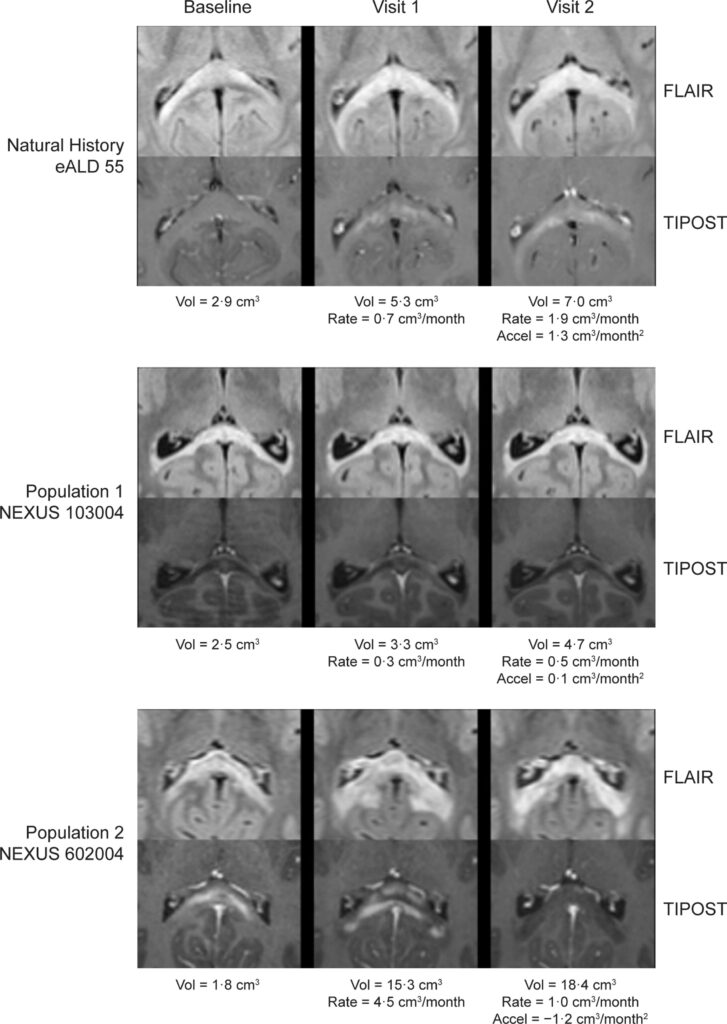
The investigational drug, leriglitazone, is being studied in the NEXUS trial. This is a multiphase international clinical trial currently underway across the United States, Europe, and South America. The latest 6-month analysis among 11 patients found that leriglitazone slowed disease progression in all participants.
Even more exciting, in nearly half of the boys, it appeared to halt the disease entirely. This is a very promising early signal for a potentially effective drug-based treatment for cALD. The study is published in the journal eClinicalMedicine.
Dr. Eric Mallack, Director of Clinical Research at the Moser Center for Leukodystrophies at Kennedy Krieger and senior author of the study, says this moment has been years in the making.
“This is the first sign that an oral medication could slow down this devastating disease,” said Mallack. “It is through collaboration with our international colleagues that we are able to take this major step toward a safe, accessible treatment.”
Dr. Mallack contributed to the study design, MRI scan assessments, analyzed and interpreted study data, and helped define key outcome measures. His years of MRI and disease natural history research were particularly instrumental in making this trial possible.
Currently, the only treatments for cALD are traditional stem cell transplantation and stem‐cell gene therapy. Both are considered high‐risk procedures that often aren’t an option for patients due to timing, complications, or lack of access. If approved, leriglitazone would become the first-ever oral drug for cALD.
“This is the result of years of work and global collaboration,” said Dr. Mallack. “We’re proud to be part of the team advancing the science for the families who need it most. We are hopeful this leads to a safer, more accessible treatment option.”
More information:
Ángeles García-Cazorla et al, Safety and efficacy of leriglitazone in childhood cerebral adrenoleukodystrophy (NEXUS): an interim analysis of an open-label, phase 2/3 trial, eClinicalMedicine (2025). DOI: 10.1016/j.eclinm.2025.103265
Citation:
Oral drug shows promise for slowing fatal childhood brain disease (2025, June 2)
retrieved 2 June 2025
from https://medicalxpress.com/news/2025-06-oral-drug-fatal-childhood-brain.html
This document is subject to copyright. Apart from any fair dealing for the purpose of private study or research, no
part may be reproduced without the written permission. The content is provided for information purposes only.

Khamrah by Lattafa for Men - 3.4 oz EDP Spray
4% Off
Ghost Sweetheart Eau de Toilette | Pineapple, Jasmine and Sandalwood | Perfume for Women 50 ml
50% Off
Marc Jacobs Dot Eau De Parfum for Women, 100 ml
42% Off
Ted Baker W Eau de Toilette for Her, Fig Leaf, White Peony and Violet Top Notes, Pink Orchid and Raspberry Middle Notes, 75ml
£11.77 (£15.69 / 100 ml) (as of 30/06/2026 03:52 GMT +01:00 - More infoProduct prices and availability are accurate as of the date/time indicated and are subject to change. Any price and availability information displayed on [relevant Amazon Site(s), as applicable] at the time of purchase will apply to the purchase of this product.)
Ted Baker Woman Pink Eau de Toilette Spray Floral Green Feminine Fragrance, Opening Notes are Fresh Peach, Bergamot and Tangerine with Warm Musk, Vanilla and Vetiver Base, 100ml
11% Off
Vera Wang Princess Eau de Toilette - 30 ml

Choco Musk 50ml Eau De Parfum for men and women | Chocolate Musk by Jannat Aromas
17% Off
Christina Aguilera Signature Eau de Parfum (50ml) Floral, Fruity & Exotic Scent, Luxury Fragrance for Women
9% Off
Calvin Klein - Eau De Toilette CKIN2U - Calvin Klein Women, Ladies Perfume, Women's Perfume, Calvin Klein Perfume, Calvin Klein One - 150 ml
5% Off
Jimmy Choo Flash Eau de Parfum, 60 ml (Pack of 1)
3% Off
Fruit of the Loom Men's Heavy T Shirt, White, XL UK
28% Off
ATNKE LED Lighted Beanie Cap,USB Rechargeable Running Hat Ultra Bright 4 LED Waterproof Light Winter Warm Gifts for Men and Women/Pink
17% Off
Men's 1/4 Zip Pullover UK Sale Clearance, Fleece Sweatshirt Casual Jumper Long Sleeve T-shirt Top Stand Collar Sweater Plain Pullover Sports Leisure Workwear Quarter Zip Sweater Lightweight Jumpers
£5.88 (as of 12/11/2025 00:52 GMT +01:00 - More infoProduct prices and availability are accurate as of the date/time indicated and are subject to change. Any price and availability information displayed on [relevant Amazon Site(s), as applicable] at the time of purchase will apply to the purchase of this product.)
Crevice Cleaning Brush, Bathroom Tile Groove Gap Cleaning Brush,Premium Crevice Cleaning Tool Aluminum Support with 15° Angle Magic Brush, Thin Brush for Home Kitchen
19% Off
Wireless Earbuds, Bluetooth 5.3 Headphones in Ear with HiFi Stereo Deep Bass, 4 ENC Noise Cancelling Mic Wireless Earphones 40H Playtime, Bluetooth Earbuds Dual LED Display, IP7 Waterproof, USB-C
42% Off