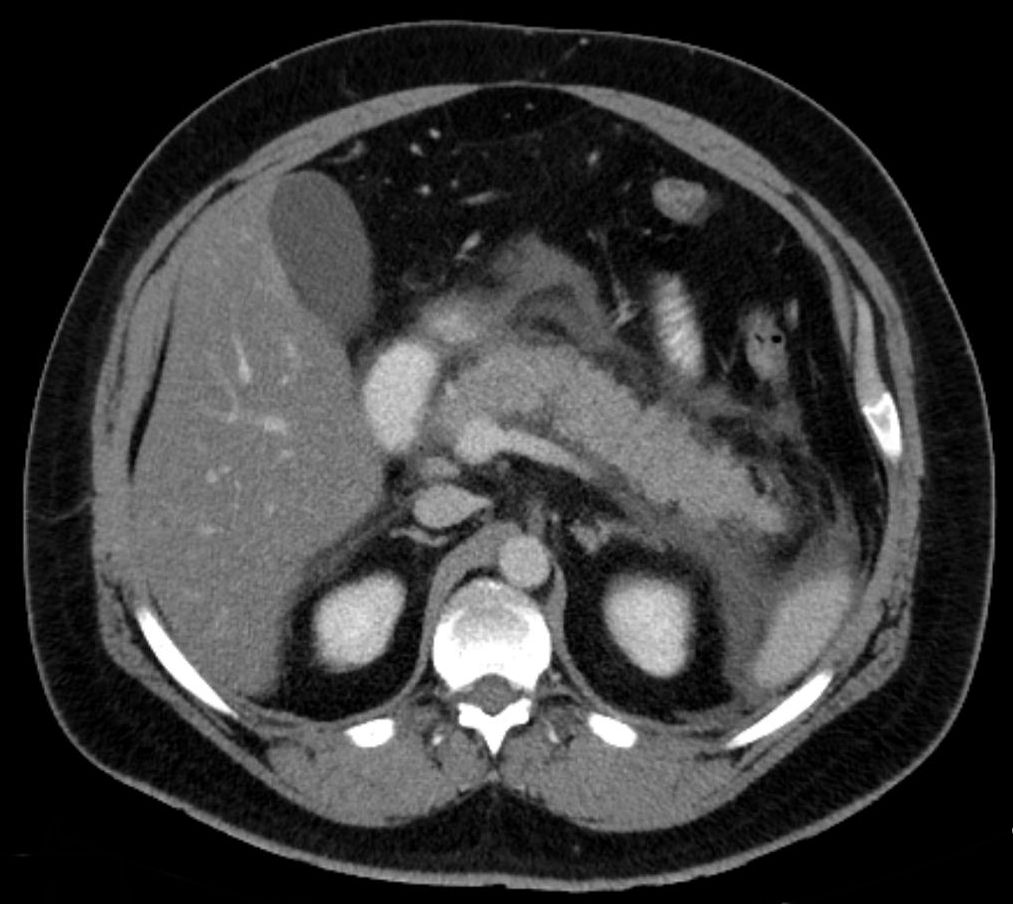
Medications for type 2 diabetes and obesity known as GLP-1 receptor agonists may lower the risk of acute pancreatitis recurrence in people with obesity and those with type 2 diabetes, according to a study presented Saturday at ENDO 2024, the Endocrine Society’s annual meeting in Boston, Mass.
Doctors have been cautious about prescribing these medications in patients with a history of pancreatitis due to the potential risk of worsening the condition—a warning that is included in prescribing information, said lead researcher Mahmoud Nassar, M.D., Ph.D., Department of Medicine fellow in the Division of Endocrinology, Diabetes, and Metabolism in the Jacobs School of Medicine and Biomedical Sciences at the University at Buffalo in Buffalo, N.Y. Acute pancreatitis is a sudden inflammation of the pancreas.
“Our research highlights the safety and the potential for GLP-1 receptor agonists to reduce the risk of acute pancreatitis recurrence in individuals with obesity and type 2 diabetes, challenging previous concerns and offering new hope for effective disease management,” Nassar said.
The researchers used data from a large database called TriNetX, which contains information from about 127 million patients across 15 countries, mainly from the United States. They identified 638,501 individuals with a history of acute pancreatitis.
They focused on adults with diabetes and obesity who had been diagnosed with acute pancreatitis. The researchers wanted to see if certain medications for diabetes and obesity (specifically, GLP-1 receptor agonists, SGLT2 inhibitors and DPP4 inhibitors) affected their risk of getting pancreatitis again.
Their analysis covered a wide range of medications within each category to understand how these types of treatments might affect pancreatitis risk. They also looked closely at different patient characteristics, such as age, gender, body mass index (BMI) and blood test results, to better understand patient groups.
To figure out the risk of pancreatitis, they tracked how many patients developed pancreatitis again within 5 years of starting their medication. They compared groups of patients taking different medications, matching them by patient characteristics.
When the GLP-1 group was compared with patients taking SGLT2 inhibitors, the GLP-1 group showed a lower risk of acute pancreatitis recurrence (15.2%) compared with 24% in the SGLT2i group. When GLP-1 patients were compared with those taking DPP4i drugs, the GLP-1 group’s recurrence risk was 14.4%, compared with 23.3% in the DPP4i group. When GLP-1 patients were compared with those not taking any of these medications, the GLP-1 group’s recurrence risk was 14.5%, compared with 51.6% in the comparison group.
“This study provides critical insights that could change the treatment landscape for patients with obesity and type 2 diabetes, particularly those with a history of acute pancreatitis,” Nassar said.
“The possibility of using GLP-1 receptor agonists more broadly offers hope for better managing these conditions, improving patient outcomes and enhancing quality of life. It emphasizes the importance of personalized medicine, where treatment decisions are tailored to the individual’s specific health profile and needs.”
Citation:
GLP-1 medications for type 2 diabetes and obesity may lower risk of acute pancreatitis (2024, June 1)
retrieved 1 June 2024
from https://medicalxpress.com/news/2024-05-glp-medications-diabetes-obesity-acute.html
This document is subject to copyright. Apart from any fair dealing for the purpose of private study or research, no
part may be reproduced without the written permission. The content is provided for information purposes only.

Khamrah by Lattafa for Men - 3.4 oz EDP Spray
4% Off
Ghost Sweetheart Eau de Toilette | Pineapple, Jasmine and Sandalwood | Perfume for Women 50 ml
50% Off
Marc Jacobs Dot Eau De Parfum for Women, 100 ml
42% Off
Ted Baker W Eau de Toilette for Her, Fig Leaf, White Peony and Violet Top Notes, Pink Orchid and Raspberry Middle Notes, 75ml
£11.77 (£15.69 / 100 ml) (as of 22/05/2026 03:17 GMT +01:00 - More infoProduct prices and availability are accurate as of the date/time indicated and are subject to change. Any price and availability information displayed on [relevant Amazon Site(s), as applicable] at the time of purchase will apply to the purchase of this product.)
Ted Baker Woman Pink Eau de Toilette Spray Floral Green Feminine Fragrance, Opening Notes are Fresh Peach, Bergamot and Tangerine with Warm Musk, Vanilla and Vetiver Base, 100ml
11% Off
Vera Wang Princess Eau de Toilette - 30 ml

Choco Musk 50ml Eau De Parfum for men and women | Chocolate Musk by Jannat Aromas
17% Off
Christina Aguilera Signature Eau de Parfum (50ml) Floral, Fruity & Exotic Scent, Luxury Fragrance for Women
9% Off
Calvin Klein - Eau De Toilette CKIN2U - Calvin Klein Women, Ladies Perfume, Women's Perfume, Calvin Klein Perfume, Calvin Klein One - 150 ml
5% Off
Jimmy Choo Flash Eau de Parfum, 60 ml (Pack of 1)
3% Off
Fruit of the Loom Men's Heavy T Shirt, White, XL UK
28% Off
ATNKE LED Lighted Beanie Cap,USB Rechargeable Running Hat Ultra Bright 4 LED Waterproof Light Winter Warm Gifts for Men and Women/Pink
17% Off
Men's 1/4 Zip Pullover UK Sale Clearance, Fleece Sweatshirt Casual Jumper Long Sleeve T-shirt Top Stand Collar Sweater Plain Pullover Sports Leisure Workwear Quarter Zip Sweater Lightweight Jumpers
£5.88 (as of 12/11/2025 00:52 GMT +01:00 - More infoProduct prices and availability are accurate as of the date/time indicated and are subject to change. Any price and availability information displayed on [relevant Amazon Site(s), as applicable] at the time of purchase will apply to the purchase of this product.)
Crevice Cleaning Brush, Bathroom Tile Groove Gap Cleaning Brush,Premium Crevice Cleaning Tool Aluminum Support with 15° Angle Magic Brush, Thin Brush for Home Kitchen
19% Off
Wireless Earbuds, Bluetooth 5.3 Headphones in Ear with HiFi Stereo Deep Bass, 4 ENC Noise Cancelling Mic Wireless Earphones 40H Playtime, Bluetooth Earbuds Dual LED Display, IP7 Waterproof, USB-C
42% Off