


BBC News NI business and economics editor

 Getty Images
The rise in employer’s National Insurance (NI) increases the risk that businesses will resort to making off-the-books cash payments to staff, a study for Stormont’s Department of Finance suggests.
From April employers have had to pay NI at 15% on salaries above £5,000, up from 13.8% on salaries above £9,100.
That makes it more expensive for businesses to employ people.
The study by Ulster University academics, which included consultation with business groups, said this risks encouraging the “informal economy”.
 Getty Images
“There is an increased risk that businesses could return to operating on a cash-in-hand basis only,” the analysis from the university’s Economic Policy Centre (EPC) said..
It added that it is “important to note this point was only expressed in a small minority of consultations”.
The major conclusion from the EPC is that the rise in employer’s NI will have a greater impact in Northern Ireland compared to any other UK region.
This is because Northern Ireland is a region where pay is relatively low and the greatest proportional impact of the NI increase is on employers of lower paid staff.
The study found that Northern Ireland employers had been prepared for a rise in the National Living Wage (adult minimum wage) but the rise in NI had been unexpected and therefore more difficult to manage.
It said: “Overall employers were accepting of the NLW increase, perhaps higher than most would have liked but that is the typical response from employers most years.
“This acceptance reflects the knowledge that the government increases the NLW rate annually and also because salaries are being driven higher by labour market forces in any case.”
Finance Minister John O’Dowd said the study “reaffirms that decisions in Westminster are having a detrimental impact on our business community and voluntary sectors as well as impacting on our public finances”.
The government has previously defended the NI increase by saying it had to raise additional money to ensure the stability of public finances and address the NHS backlog.
Source link

Khamrah by Lattafa for Men - 3.4 oz EDP Spray
4% Off
Ghost Sweetheart Eau de Toilette | Pineapple, Jasmine and Sandalwood | Perfume for Women 50 ml
50% Off
Marc Jacobs Dot Eau De Parfum for Women, 100 ml
42% Off
Ted Baker W Eau de Toilette for Her, Fig Leaf, White Peony and Violet Top Notes, Pink Orchid and Raspberry Middle Notes, 75ml
£11.77 (£15.69 / 100 ml) (as of 20/10/2026 06:36 GMT +01:00 - More infoProduct prices and availability are accurate as of the date/time indicated and are subject to change. Any price and availability information displayed on [relevant Amazon Site(s), as applicable] at the time of purchase will apply to the purchase of this product.)
Ted Baker Woman Pink Eau de Toilette Spray Floral Green Feminine Fragrance, Opening Notes are Fresh Peach, Bergamot and Tangerine with Warm Musk, Vanilla and Vetiver Base, 100ml
11% Off
Vera Wang Princess Eau de Toilette - 30 ml
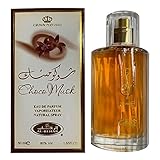
Choco Musk 50ml Eau De Parfum for men and women | Chocolate Musk by Jannat Aromas
17% Off
Christina Aguilera Signature Eau de Parfum (50ml) Floral, Fruity & Exotic Scent, Luxury Fragrance for Women
9% Off
Calvin Klein - Eau De Toilette CKIN2U - Calvin Klein Women, Ladies Perfume, Women's Perfume, Calvin Klein Perfume, Calvin Klein One - 150 ml
5% Off
Jimmy Choo Flash Eau de Parfum, 60 ml (Pack of 1)
3% Off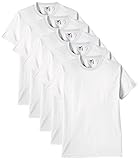
Fruit of the Loom Men's Heavy T Shirt, White, XL UK
28% Off
ATNKE LED Lighted Beanie Cap,USB Rechargeable Running Hat Ultra Bright 4 LED Waterproof Light Winter Warm Gifts for Men and Women/Pink
17% Off
Men's 1/4 Zip Pullover UK Sale Clearance, Fleece Sweatshirt Casual Jumper Long Sleeve T-shirt Top Stand Collar Sweater Plain Pullover Sports Leisure Workwear Quarter Zip Sweater Lightweight Jumpers
£5.88 (as of 12/11/2025 00:52 GMT +01:00 - More infoProduct prices and availability are accurate as of the date/time indicated and are subject to change. Any price and availability information displayed on [relevant Amazon Site(s), as applicable] at the time of purchase will apply to the purchase of this product.)
Crevice Cleaning Brush, Bathroom Tile Groove Gap Cleaning Brush,Premium Crevice Cleaning Tool Aluminum Support with 15° Angle Magic Brush, Thin Brush for Home Kitchen
19% Off
Wireless Earbuds, Bluetooth 5.3 Headphones in Ear with HiFi Stereo Deep Bass, 4 ENC Noise Cancelling Mic Wireless Earphones 40H Playtime, Bluetooth Earbuds Dual LED Display, IP7 Waterproof, USB-C
42% Off