

The Olympic and Paralympic Games represent the pinnacle of athletic achievement, where the world’s sporting elite showcase their prowess. Modern athletes benefit from top-notch coaching, optimized nutrition and recovery strategies. Yet, some are turning to more unique methods for the competitive edge—training the brain.
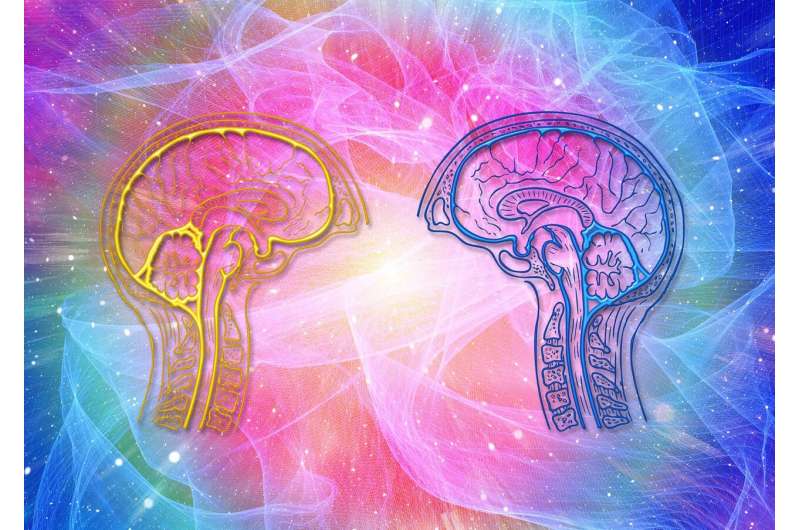
One brain-based approach that purports to aid performance and is gaining traction in elite sport is electroencephalographic neurofeedback. This technique involves placing small sensors on the scalp to record and display brainwaves in real-time.
The goal is to help athletes recognize and produce brainwave patterns that enhance focus, relaxation, or achieve a personalized optimal state for their skills. It’s a bit like holding a mirror up to the brain. When the technology displays what is happening in the brain in real-time, people can easily experiment by bringing different thoughts or images to mind and they will immediately see how the brain signals change. It is through this process that they can learn to recognize different brain states and apply psychological strategies to help them to take control.
Athletes across various sports, including golf, football and archery have been experimenting with neurofeedback for years.
Does it really work?
At the Institute for the Psychology of Elite Performance at Bangor University, we have been studying the effects of neurofeedback across a range of sports and tasks for several years. In a 2015 study, we found that 12 amateur golfers improved their putting accuracy by 21% after three one-hour neurofeedback sessions.
In a similarly designed 2023 experiment, we found that six 30 minute neurofeedback training sessions helped 14 elite biathletes (the biathlon is a winter sport that combines cross-country skiing and rifle shooting) to self-regulate their brainwaves and increase their focus in the final seconds before dry-firing their rifles. But there was a caveat. In both studies, the improvements of the golfers and biathletes were similar to those in control groups who only practiced their sports without neurofeedback.
More promising results came from a 2021 study of ours with 40 adult volunteers. We asked them to cycle until exhaustion on an exercise bike after performing just 12 minutes of neurofeedback. Thirteen people were asked to produce a brainwave pattern that we thought would be conducive to endurance exercise. The other 13 were asked to produce a brainwave pattern which we did not think would benefit performance. The remaining 14 participants had to watch a neurofeedback recording without controlling their brainwaves at all.
The results were striking. The group who had been asked to produce the positive brainwave pedaled for 30% longer than the others.
To probe this finding, we invited the 26 participants from the first two groups back to our lab. They received the opposite neurofeedback treatment from our first experiment before they repeated the cycling test. The volunteers pedaled for an average of 11% longer on the day they received the positive neurofeedback treatment.
Despite these results, we still need to replicate the study with a larger sample and with more highly-trained cyclists. This would allow us to better understand whether this technique can yield benefits at the more elite end of sport.
Other research teams around the world have reached similar mixed conclusions to us about using neurofeedback training in studies of several Olympic sports. These include archery, gymnastics, speed-skating, ice hockey and golf.
In 2018 and 2024, research papers pooled the data from all studies to date and revealed evidence for modest benefits of neurofeedback overall. But thbe evidence for benefits was dampened when only well-controlled trials (those with balanced control groups to monitor for general practice or placebo effects) were considered.
So, in answer to the question of whether neurofeedback works—it might. The evidence shows plenty of exciting potential while recognizing that there is still important work to be done.
The next wave of research into this topic is already underway. Some studies are applying the research from sport neurofeedback experiments to try to make a difference elsewhere.
Early findings from our lab and others point to the feasibility of neurofeedback as a potential means to facilitate rehabilitation and to help with the recovery or management of symptoms associated with Parkinson’s disease, stroke and chronic pain, among others.
So, while Olympic medals are cherished, if neurofeedback research could eventually lead to readily accessible and efficacious treatments beyond sport, that may well be the biggest prize of all.
This article is republished from The Conversation under a Creative Commons license. Read the original article.
Citation:
Why elite athletes are harnessing their own brain waves for sporting success (2024, August 8)
retrieved 8 August 2024
from https://medicalxpress.com/news/2024-08-elite-athletes-harnessing-brain-sporting.html
This document is subject to copyright. Apart from any fair dealing for the purpose of private study or research, no
part may be reproduced without the written permission. The content is provided for information purposes only.

Khamrah by Lattafa for Men - 3.4 oz EDP Spray
4% Off
Ghost Sweetheart Eau de Toilette | Pineapple, Jasmine and Sandalwood | Perfume for Women 50 ml
50% Off
Marc Jacobs Dot Eau De Parfum for Women, 100 ml
42% Off
Ted Baker W Eau de Toilette for Her, Fig Leaf, White Peony and Violet Top Notes, Pink Orchid and Raspberry Middle Notes, 75ml
£11.77 (£15.69 / 100 ml) (as of 11/10/2026 06:34 GMT +01:00 - More infoProduct prices and availability are accurate as of the date/time indicated and are subject to change. Any price and availability information displayed on [relevant Amazon Site(s), as applicable] at the time of purchase will apply to the purchase of this product.)
Ted Baker Woman Pink Eau de Toilette Spray Floral Green Feminine Fragrance, Opening Notes are Fresh Peach, Bergamot and Tangerine with Warm Musk, Vanilla and Vetiver Base, 100ml
11% Off
Vera Wang Princess Eau de Toilette - 30 ml

Choco Musk 50ml Eau De Parfum for men and women | Chocolate Musk by Jannat Aromas
17% Off
Christina Aguilera Signature Eau de Parfum (50ml) Floral, Fruity & Exotic Scent, Luxury Fragrance for Women
9% Off
Calvin Klein - Eau De Toilette CKIN2U - Calvin Klein Women, Ladies Perfume, Women's Perfume, Calvin Klein Perfume, Calvin Klein One - 150 ml
5% Off
Jimmy Choo Flash Eau de Parfum, 60 ml (Pack of 1)
3% Off
Fruit of the Loom Men's Heavy T Shirt, White, XL UK
28% Off
ATNKE LED Lighted Beanie Cap,USB Rechargeable Running Hat Ultra Bright 4 LED Waterproof Light Winter Warm Gifts for Men and Women/Pink
17% Off
Men's 1/4 Zip Pullover UK Sale Clearance, Fleece Sweatshirt Casual Jumper Long Sleeve T-shirt Top Stand Collar Sweater Plain Pullover Sports Leisure Workwear Quarter Zip Sweater Lightweight Jumpers
£5.88 (as of 12/11/2025 00:52 GMT +01:00 - More infoProduct prices and availability are accurate as of the date/time indicated and are subject to change. Any price and availability information displayed on [relevant Amazon Site(s), as applicable] at the time of purchase will apply to the purchase of this product.)
Crevice Cleaning Brush, Bathroom Tile Groove Gap Cleaning Brush,Premium Crevice Cleaning Tool Aluminum Support with 15° Angle Magic Brush, Thin Brush for Home Kitchen
19% Off
Wireless Earbuds, Bluetooth 5.3 Headphones in Ear with HiFi Stereo Deep Bass, 4 ENC Noise Cancelling Mic Wireless Earphones 40H Playtime, Bluetooth Earbuds Dual LED Display, IP7 Waterproof, USB-C
42% Off