
 [


A study based on data from nearly 9,000 people in northern Finland shows that eating behavior varies with age and differs between sexes and BMI categories. The findings suggest that there is no single threshold that can be used to define abnormal eating behavior for everyone.
The study examined three aspects of eating behavior: cognitive restraint, uncontrolled eating and emotional eating.
Uncontrolled and emotional eating were more pronounced among younger adults, whereas cognitive restraint was more common among older adults.
There were also clear differences between the sexes. On average, women reported higher levels of both cognitive restraint and emotional eating than men. No comparable sex difference was observed in uncontrolled eating.
As BMI increased, uncontrolled and emotional eating were, on average, more common. The association between cognitive restraint and body weight was more complex: restraint increased with BMI, but a slight decrease was observed among women with the most severe levels of obesity.
According to the researchers, these findings are particularly important because questionnaires measuring eating behavior are used in weight management and obesity treatment. The study is published in the journal Appetite.
New reference values help identify atypical eating behavior
The study established, for the first time, age- and sex-specific reference values for the Three-Factor Eating Questionnaire (TFEQ-R18) for the Finnish population. The self-administered questionnaire scores different aspects of eating behavior on a scale from 0 to 100. The higher the score, the more pronounced the particular eating behavior. Until now, however, more detailed reference values for interpreting scores in the Finnish population have been lacking.
The reference values are intended to help, for example, health care professionals assess whether an individual’s eating behavior differs substantially from that of others of the same age and sex. However, they are not designed to determine directly whether treatment is needed.
“When interpreting the reference values, it is important to bear in mind that factors such as weight management goals can influence eating behavior,” says Marjukka Nurkkala, a postdoctoral researcher at the University of Oulu who coordinated the study.
According to Nurkkala, further research is needed to establish how different aspects of eating behavior occur together, how they change with age and what kinds of changes should be targeted in obesity treatment.
The study drew on data from three population-based cohorts in northern Finland. Participants were approximately 33–35, 45–46 and 68–70 years old.
The study was conducted in collaboration with the University of Oulu, ODL Department of Sports and Exercise Medicine and the University of Eastern Finland, and has been published in the journal Appetite.
Publication details
Marjukka Nurkkala et al., Normative values of the Three-Factor Eating Questionnaire -R18 in three Northern Finland cohort populations by sex and BMI classes, Appetite (2027). DOI: 10.1016/j.appet.2026.108794
Journal information:
Appetite
Key medical concepts
Clinical categories


Citation:
What is normal eating behavior? Age, sex and weight all play a role (2026, October 12)
retrieved 12 October 2026
from https://medicalxpress.com/news/2026-10-behavior-age-sex-weight-play.html
This document is subject to copyright. Apart from any fair dealing for the purpose of private study or research, no
part may be reproduced without the written permission. The content is provided for information purposes only.

Khamrah by Lattafa for Men - 3.4 oz EDP Spray
4% Off
Ghost Sweetheart Eau de Toilette | Pineapple, Jasmine and Sandalwood | Perfume for Women 50 ml
50% Off
Marc Jacobs Dot Eau De Parfum for Women, 100 ml
42% Off
Ted Baker W Eau de Toilette for Her, Fig Leaf, White Peony and Violet Top Notes, Pink Orchid and Raspberry Middle Notes, 75ml
£11.77 (£15.69 / 100 ml) (as of 27/10/2026 05:38 GMT +00:00 - More infoProduct prices and availability are accurate as of the date/time indicated and are subject to change. Any price and availability information displayed on [relevant Amazon Site(s), as applicable] at the time of purchase will apply to the purchase of this product.)
Ted Baker Woman Pink Eau de Toilette Spray Floral Green Feminine Fragrance, Opening Notes are Fresh Peach, Bergamot and Tangerine with Warm Musk, Vanilla and Vetiver Base, 100ml
11% Off
Vera Wang Princess Eau de Toilette - 30 ml
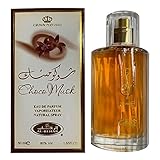
Choco Musk 50ml Eau De Parfum for men and women | Chocolate Musk by Jannat Aromas
17% Off
Christina Aguilera Signature Eau de Parfum (50ml) Floral, Fruity & Exotic Scent, Luxury Fragrance for Women
9% Off
Calvin Klein - Eau De Toilette CKIN2U - Calvin Klein Women, Ladies Perfume, Women's Perfume, Calvin Klein Perfume, Calvin Klein One - 150 ml
5% Off
Jimmy Choo Flash Eau de Parfum, 60 ml (Pack of 1)
3% Off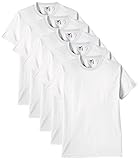
Fruit of the Loom Men's Heavy T Shirt, White, XL UK
28% Off
ATNKE LED Lighted Beanie Cap,USB Rechargeable Running Hat Ultra Bright 4 LED Waterproof Light Winter Warm Gifts for Men and Women/Pink
17% Off
Men's 1/4 Zip Pullover UK Sale Clearance, Fleece Sweatshirt Casual Jumper Long Sleeve T-shirt Top Stand Collar Sweater Plain Pullover Sports Leisure Workwear Quarter Zip Sweater Lightweight Jumpers
£5.88 (as of 11/11/2025 23:52 GMT +00:00 - More infoProduct prices and availability are accurate as of the date/time indicated and are subject to change. Any price and availability information displayed on [relevant Amazon Site(s), as applicable] at the time of purchase will apply to the purchase of this product.)
Crevice Cleaning Brush, Bathroom Tile Groove Gap Cleaning Brush,Premium Crevice Cleaning Tool Aluminum Support with 15° Angle Magic Brush, Thin Brush for Home Kitchen
19% Off
Wireless Earbuds, Bluetooth 5.3 Headphones in Ear with HiFi Stereo Deep Bass, 4 ENC Noise Cancelling Mic Wireless Earphones 40H Playtime, Bluetooth Earbuds Dual LED Display, IP7 Waterproof, USB-C
42% Off