


The biggest obstacle to peace is that the UAE supports one side with weapons and cash while Egypt and Saudi Arabia back the other. There is no prospect for peace while this continues.
For those Arab powerbrokers, Sudan is just one element in their geostrategic calculations, ranked below Israel-Palestine, Iran and relations with Washington.
But if there is a reshuffle of the Middle Eastern political cards, a bargain over Sudan might be a by-product, even an opportunity for Trump to bask in the glow of an unexpected peacemaker.
It will not bring an end to violence, let alone usher in democracy, but it would open the space for serious negotiations.
A similar calculation holds for Ethiopia and its fractious relations with an Egypt-led coalition that includes Eritrea and Somalia.
Along with an array of African leaders, Ethiopia’s Prime Minister Abiy Ahmed is heavily reliant on Emirati largesse. Tensions in the Horn of Africa would be reduced if Egypt and the UAE align their strategies.
The Biden administration’s policy towards the Horn of Africa was neither committed to principled multilateralism, nor ready to use its leverage with the Gulf states.
Its envoys could only grasp for minor wins such as pauses in the fighting or opening checkpoints for aid convoys.
The tangled wars in Sudan, Ethiopia and their neighbours cry out for bold action – and if he were so minded, Trump might cut the Gordian Knot.
But the risks of a conflagration are high.
The Trump White House will not be likely to restrain bellicose tendencies by Middle Eastern powerbrokers or African leaders, and – especially during the US policy vacuum of the next few months – any one of those leaders could launch a war, confident that America will not respond.
In his first term, Trump showed no interest in the US military footprint in Africa.
Apparently on a whim, he ordered the withdrawal of American troops from Somalia, where they were involved in the war against the jihadist group al-Shabab – a decision reversed by the Biden administration.
It’s unlikely that Trump will pay attention to the Pentagon’s operations against jihadists there or in the West African Sahel, unless there is a high-profile incident with American casualties.
And America’s Middle Eastern allies will be keen for the US to retain its military base in Djibouti.
Reports of collusion between Yemen’s Houthis and al-Shabab, heightening risks of attacks in East Africa or on shipping in the Indian Ocean, may rekindle US interest in military operations.
Alternatively, missions could be outsourced to allies such as the UAE or private military contractors.
Source link

Khamrah by Lattafa for Men - 3.4 oz EDP Spray
4% Off
Ghost Sweetheart Eau de Toilette | Pineapple, Jasmine and Sandalwood | Perfume for Women 50 ml
50% Off
Marc Jacobs Dot Eau De Parfum for Women, 100 ml
42% Off
Ted Baker W Eau de Toilette for Her, Fig Leaf, White Peony and Violet Top Notes, Pink Orchid and Raspberry Middle Notes, 75ml
£11.77 (£15.69 / 100 ml) (as of 21/10/2026 06:36 GMT +01:00 - More infoProduct prices and availability are accurate as of the date/time indicated and are subject to change. Any price and availability information displayed on [relevant Amazon Site(s), as applicable] at the time of purchase will apply to the purchase of this product.)
Ted Baker Woman Pink Eau de Toilette Spray Floral Green Feminine Fragrance, Opening Notes are Fresh Peach, Bergamot and Tangerine with Warm Musk, Vanilla and Vetiver Base, 100ml
11% Off
Vera Wang Princess Eau de Toilette - 30 ml
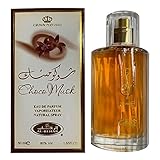
Choco Musk 50ml Eau De Parfum for men and women | Chocolate Musk by Jannat Aromas
17% Off
Christina Aguilera Signature Eau de Parfum (50ml) Floral, Fruity & Exotic Scent, Luxury Fragrance for Women
9% Off
Calvin Klein - Eau De Toilette CKIN2U - Calvin Klein Women, Ladies Perfume, Women's Perfume, Calvin Klein Perfume, Calvin Klein One - 150 ml
5% Off
Jimmy Choo Flash Eau de Parfum, 60 ml (Pack of 1)
3% Off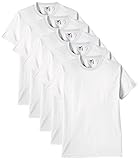
Fruit of the Loom Men's Heavy T Shirt, White, XL UK
28% Off
ATNKE LED Lighted Beanie Cap,USB Rechargeable Running Hat Ultra Bright 4 LED Waterproof Light Winter Warm Gifts for Men and Women/Pink
17% Off
Men's 1/4 Zip Pullover UK Sale Clearance, Fleece Sweatshirt Casual Jumper Long Sleeve T-shirt Top Stand Collar Sweater Plain Pullover Sports Leisure Workwear Quarter Zip Sweater Lightweight Jumpers
£5.88 (as of 12/11/2025 00:52 GMT +01:00 - More infoProduct prices and availability are accurate as of the date/time indicated and are subject to change. Any price and availability information displayed on [relevant Amazon Site(s), as applicable] at the time of purchase will apply to the purchase of this product.)
Crevice Cleaning Brush, Bathroom Tile Groove Gap Cleaning Brush,Premium Crevice Cleaning Tool Aluminum Support with 15° Angle Magic Brush, Thin Brush for Home Kitchen
19% Off
Wireless Earbuds, Bluetooth 5.3 Headphones in Ear with HiFi Stereo Deep Bass, 4 ENC Noise Cancelling Mic Wireless Earphones 40H Playtime, Bluetooth Earbuds Dual LED Display, IP7 Waterproof, USB-C
42% Off