 [
[

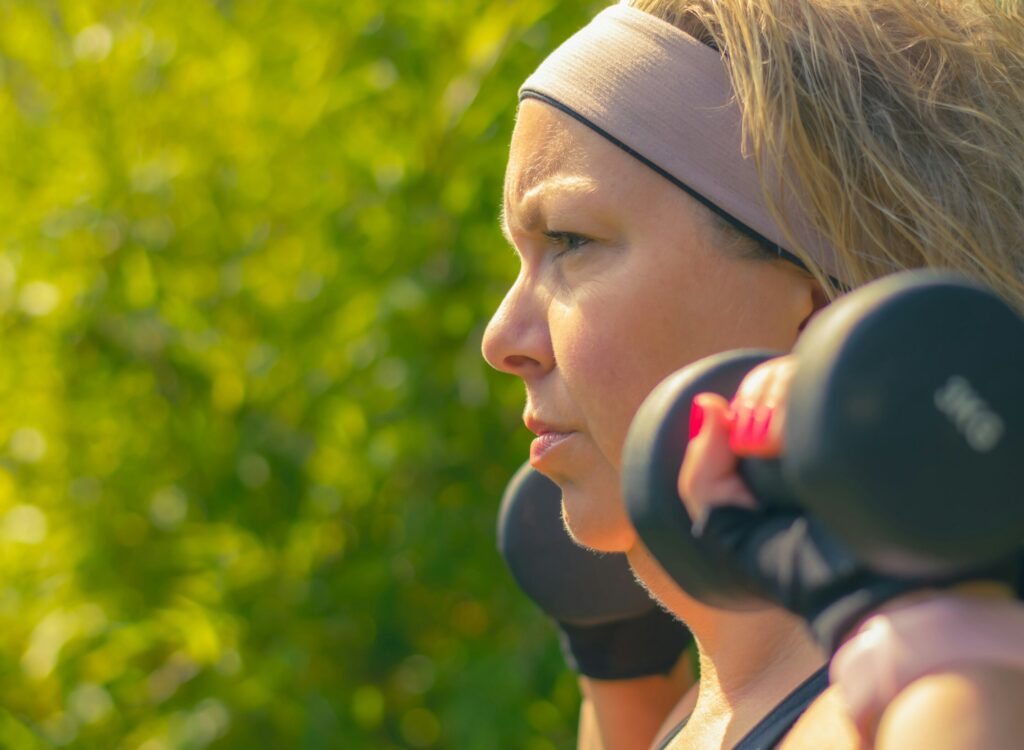
The first major update to resistance-training guidelines in 17 years delivers one clear message: any amount of resistance training improves strength, muscle size, power and physical function.
The new recommendations, published in Medicine & Science in Sports & Exercise by the American College of Sports Medicine (ACSM) as a Position Stand, are based on 137 systematic reviews involving more than 30,000 participants, making them the most comprehensive resistance-training guidelines to date.
“The best resistance training program is the one you’ll actually stick with,” says Stuart Phillips, distinguished professor in the Department of Kinesiology and an author on the Position Stand. “Training all major muscle groups at least twice a week matters far more than chasing the idea of a ‘perfect’ or complex training plan. Whether it’s barbells, bands, or bodyweight, consistency and effort drive results.”
This update has been a long time coming. ACSM last published a Position Stand on resistance training for healthy adults in 2009, predating the explosion of research on muscle health, aging and the role of strength in long-term well-being.
“The new document reflects that surge in evidence and expands its recommendations to include more people and more types of training than ever before,” Phillips says.
A central theme of the new Position Stand is that the most meaningful gains come from a simple shift: moving from no resistance training to any form of it. While training variables such as load, volume, or frequency can be fine-tuned, the primary goal for most adults should be to build a consistent routine.
One of the greatest changes is the recognition that meaningful results don’t require a gym. Elastic bands, bodyweight training and home-based routines offer clear and measurable improvements in strength, muscle size and functional performance.
Rigid rules and prescriptive ideal programs are no longer supported by evidence, explains Phillips. Instead, personal goals, enjoyment, and long-term adherence matter most, especially for adults looking to stay strong, healthy and functional as they age.
Athletes and highly trained individuals will still require more specialized, sport-specific programs, but for the average adult, the message is simple: find a resistance-training routine you enjoy and stick with it.
Publication details
Resistance Training Prescription for Muscle Function, Hypertrophy, and Physical Performance in Healthy Adults: An Overview of Reviews, Medicine & Science in Sports & Exercise (2026).
Journal information:
Medicine & Science in Sports & Exercise
Key medical concepts
Citation:
Updated guidelines find even small amounts of resistance training build muscle (2026, March 16)
retrieved 16 March 2026
from https://medicalxpress.com/news/2026-03-guidelines-small-amounts-resistance-muscle.html
This document is subject to copyright. Apart from any fair dealing for the purpose of private study or research, no
part may be reproduced without the written permission. The content is provided for information purposes only.

Khamrah by Lattafa for Men - 3.4 oz EDP Spray
4% Off
Ghost Sweetheart Eau de Toilette | Pineapple, Jasmine and Sandalwood | Perfume for Women 50 ml
50% Off
Marc Jacobs Dot Eau De Parfum for Women, 100 ml
42% Off
Ted Baker W Eau de Toilette for Her, Fig Leaf, White Peony and Violet Top Notes, Pink Orchid and Raspberry Middle Notes, 75ml
£11.77 (£15.69 / 100 ml) (as of 14/09/2026 05:03 GMT +01:00 - More infoProduct prices and availability are accurate as of the date/time indicated and are subject to change. Any price and availability information displayed on [relevant Amazon Site(s), as applicable] at the time of purchase will apply to the purchase of this product.)
Ted Baker Woman Pink Eau de Toilette Spray Floral Green Feminine Fragrance, Opening Notes are Fresh Peach, Bergamot and Tangerine with Warm Musk, Vanilla and Vetiver Base, 100ml
11% Off
Vera Wang Princess Eau de Toilette - 30 ml

Choco Musk 50ml Eau De Parfum for men and women | Chocolate Musk by Jannat Aromas
17% Off
Christina Aguilera Signature Eau de Parfum (50ml) Floral, Fruity & Exotic Scent, Luxury Fragrance for Women
9% Off
Calvin Klein - Eau De Toilette CKIN2U - Calvin Klein Women, Ladies Perfume, Women's Perfume, Calvin Klein Perfume, Calvin Klein One - 150 ml
5% Off
Jimmy Choo Flash Eau de Parfum, 60 ml (Pack of 1)
3% Off
Fruit of the Loom Men's Heavy T Shirt, White, XL UK
28% Off
ATNKE LED Lighted Beanie Cap,USB Rechargeable Running Hat Ultra Bright 4 LED Waterproof Light Winter Warm Gifts for Men and Women/Pink
17% Off
Men's 1/4 Zip Pullover UK Sale Clearance, Fleece Sweatshirt Casual Jumper Long Sleeve T-shirt Top Stand Collar Sweater Plain Pullover Sports Leisure Workwear Quarter Zip Sweater Lightweight Jumpers
£5.88 (as of 12/11/2025 00:52 GMT +01:00 - More infoProduct prices and availability are accurate as of the date/time indicated and are subject to change. Any price and availability information displayed on [relevant Amazon Site(s), as applicable] at the time of purchase will apply to the purchase of this product.)
Crevice Cleaning Brush, Bathroom Tile Groove Gap Cleaning Brush,Premium Crevice Cleaning Tool Aluminum Support with 15° Angle Magic Brush, Thin Brush for Home Kitchen
19% Off
Wireless Earbuds, Bluetooth 5.3 Headphones in Ear with HiFi Stereo Deep Bass, 4 ENC Noise Cancelling Mic Wireless Earphones 40H Playtime, Bluetooth Earbuds Dual LED Display, IP7 Waterproof, USB-C
42% Off