


The African Union has long been pushing for the continent to have two permanent representatives on the council and an additional two seats as non-permanent representatives.
The debate on Monday was convened by Sierra Leone – and its President Julius Maada Bio made the case for the continent.
“The time for half-measures and incremental progress is over. Africa must be heard, and its demands for justice and equity must be met,” he said.
The UN Security Council has significant responsibilities, including authorising peacekeeping operations, imposing international sanctions and determining how the UN should respond to conflicts around the world.
Other UN officials echoed the sentiments for reform, including Dennis Francis – the president of the UN General Assembly, as well as Mr Guterres.
“We cannot accept that the world’s preeminent peace and security body lacks a permanent voice for a continent of well over a billion people – a young and rapidly growing population – making up 28% of the membership of the United Nations,” the UN chief said, external.
Africa was under-represented at the UN Security Council and international financial institutions but “over-represented in the very challenges these structures are designed to address”, he added.
Africa has often been at the centre of conflicts fuelled by greed for the continent’s resources, necessary to the global economy, Mr Guterres said.
He also pointed out that almost half of all UN peacekeeping operations were in Africa and 40% of UN peacekeepers were African.
The UN chief added that the body had failed to adequately align African representation with the continent’s efforts and contributions.
The UN was set up after the end of World War Two to spare succeeding generations from the scourge of armed conflict.
Only four African nations – Egypt, Liberia, Ethiopia, and South Africa – were amongst the founding members.
For Mr Guterres, the need for change was not only about ethics and justice.
“It is also a strategic imperative that can increase global acceptance of the council’s decisions – benefitting Africa and the world,” he said.
Source link

Khamrah by Lattafa for Men - 3.4 oz EDP Spray
4% Off
Ghost Sweetheart Eau de Toilette | Pineapple, Jasmine and Sandalwood | Perfume for Women 50 ml
50% Off
Marc Jacobs Dot Eau De Parfum for Women, 100 ml
42% Off
Ted Baker W Eau de Toilette for Her, Fig Leaf, White Peony and Violet Top Notes, Pink Orchid and Raspberry Middle Notes, 75ml
£11.77 (£15.69 / 100 ml) (as of 21/10/2026 06:36 GMT +01:00 - More infoProduct prices and availability are accurate as of the date/time indicated and are subject to change. Any price and availability information displayed on [relevant Amazon Site(s), as applicable] at the time of purchase will apply to the purchase of this product.)
Ted Baker Woman Pink Eau de Toilette Spray Floral Green Feminine Fragrance, Opening Notes are Fresh Peach, Bergamot and Tangerine with Warm Musk, Vanilla and Vetiver Base, 100ml
11% Off
Vera Wang Princess Eau de Toilette - 30 ml
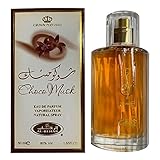
Choco Musk 50ml Eau De Parfum for men and women | Chocolate Musk by Jannat Aromas
17% Off
Christina Aguilera Signature Eau de Parfum (50ml) Floral, Fruity & Exotic Scent, Luxury Fragrance for Women
9% Off
Calvin Klein - Eau De Toilette CKIN2U - Calvin Klein Women, Ladies Perfume, Women's Perfume, Calvin Klein Perfume, Calvin Klein One - 150 ml
5% Off
Jimmy Choo Flash Eau de Parfum, 60 ml (Pack of 1)
3% Off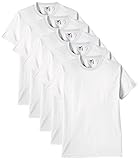
Fruit of the Loom Men's Heavy T Shirt, White, XL UK
28% Off
ATNKE LED Lighted Beanie Cap,USB Rechargeable Running Hat Ultra Bright 4 LED Waterproof Light Winter Warm Gifts for Men and Women/Pink
17% Off
Men's 1/4 Zip Pullover UK Sale Clearance, Fleece Sweatshirt Casual Jumper Long Sleeve T-shirt Top Stand Collar Sweater Plain Pullover Sports Leisure Workwear Quarter Zip Sweater Lightweight Jumpers
£5.88 (as of 12/11/2025 00:52 GMT +01:00 - More infoProduct prices and availability are accurate as of the date/time indicated and are subject to change. Any price and availability information displayed on [relevant Amazon Site(s), as applicable] at the time of purchase will apply to the purchase of this product.)
Crevice Cleaning Brush, Bathroom Tile Groove Gap Cleaning Brush,Premium Crevice Cleaning Tool Aluminum Support with 15° Angle Magic Brush, Thin Brush for Home Kitchen
19% Off
Wireless Earbuds, Bluetooth 5.3 Headphones in Ear with HiFi Stereo Deep Bass, 4 ENC Noise Cancelling Mic Wireless Earphones 40H Playtime, Bluetooth Earbuds Dual LED Display, IP7 Waterproof, USB-C
42% Off