


Shona McCarthy says the Fringe Society and venues have been working together to mitigate against the squeeze on accommodation caused by a change to short-term let legislation.
Gail Porter and Jason Manford were among the performers who said they’d been unable to secure affordable spaces.
“Everywhere I go, people approach me to tell me how prohibitive the cost of accommodation in Edinburgh is. It remains a massive issue and the fact that people have found a way round it is not accidental,” Shona says.
“There’s been a huge effort with every single venue, all having to find new and innovative ways to address this problem of both affordable and available accommodation.”
“The fundamental principle of the Fringe is to give anyone a stage and everyone a seat. It makes it increasingly difficult if the very basic cost of accommodation is a barrier.”
For the first time the Fringe will run a “festival campus” offering accommodation at Queen Margaret University on the eastern outskirts of the city, where rooms are capped at £269.50 a week.
The Fringe Society say they’re gathering data which they will submit to the Scottish government for review after this year’s festival. What they don’t know is how that will impact on audiences, or the length of time anyone stays at the festival.
“Ironically, it was one of the things which made the Fringe sustainable. You weren’t encouraging people to travel for short term stays. They were here for three or four weeks contributing to the wider economy of Edinburgh and Scotland.”
Three nights of concerts by Taylor Swift have just taken place in Edinburgh. Shona says the impact they’ve had on the city is a sharper, shorter version of what the Fringe brings in August.
But the Frinde doesn’t get the same level of support or preparation.
“If we were a peripatetic event which happened in different parts of the world and Scotland was bidding to host, it would come with a package of millions. Resources, joined up infrastructure and a sense of celebration.” she says.
Source link

Khamrah by Lattafa for Men - 3.4 oz EDP Spray
4% Off
Ghost Sweetheart Eau de Toilette | Pineapple, Jasmine and Sandalwood | Perfume for Women 50 ml
50% Off
Marc Jacobs Dot Eau De Parfum for Women, 100 ml
42% Off
Ted Baker W Eau de Toilette for Her, Fig Leaf, White Peony and Violet Top Notes, Pink Orchid and Raspberry Middle Notes, 75ml
£11.77 (£15.69 / 100 ml) (as of 28/10/2026 05:38 GMT +00:00 - More infoProduct prices and availability are accurate as of the date/time indicated and are subject to change. Any price and availability information displayed on [relevant Amazon Site(s), as applicable] at the time of purchase will apply to the purchase of this product.)
Ted Baker Woman Pink Eau de Toilette Spray Floral Green Feminine Fragrance, Opening Notes are Fresh Peach, Bergamot and Tangerine with Warm Musk, Vanilla and Vetiver Base, 100ml
11% Off
Vera Wang Princess Eau de Toilette - 30 ml
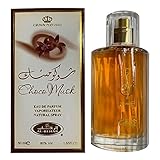
Choco Musk 50ml Eau De Parfum for men and women | Chocolate Musk by Jannat Aromas
17% Off
Christina Aguilera Signature Eau de Parfum (50ml) Floral, Fruity & Exotic Scent, Luxury Fragrance for Women
9% Off
Calvin Klein - Eau De Toilette CKIN2U - Calvin Klein Women, Ladies Perfume, Women's Perfume, Calvin Klein Perfume, Calvin Klein One - 150 ml
5% Off
Jimmy Choo Flash Eau de Parfum, 60 ml (Pack of 1)
3% Off
Fruit of the Loom Men's Heavy T Shirt, White, XL UK
28% Off
ATNKE LED Lighted Beanie Cap,USB Rechargeable Running Hat Ultra Bright 4 LED Waterproof Light Winter Warm Gifts for Men and Women/Pink
17% Off
Men's 1/4 Zip Pullover UK Sale Clearance, Fleece Sweatshirt Casual Jumper Long Sleeve T-shirt Top Stand Collar Sweater Plain Pullover Sports Leisure Workwear Quarter Zip Sweater Lightweight Jumpers
£5.88 (as of 11/11/2025 23:52 GMT +00:00 - More infoProduct prices and availability are accurate as of the date/time indicated and are subject to change. Any price and availability information displayed on [relevant Amazon Site(s), as applicable] at the time of purchase will apply to the purchase of this product.)
Crevice Cleaning Brush, Bathroom Tile Groove Gap Cleaning Brush,Premium Crevice Cleaning Tool Aluminum Support with 15° Angle Magic Brush, Thin Brush for Home Kitchen
19% Off
Wireless Earbuds, Bluetooth 5.3 Headphones in Ear with HiFi Stereo Deep Bass, 4 ENC Noise Cancelling Mic Wireless Earphones 40H Playtime, Bluetooth Earbuds Dual LED Display, IP7 Waterproof, USB-C
42% Off