
 [
[

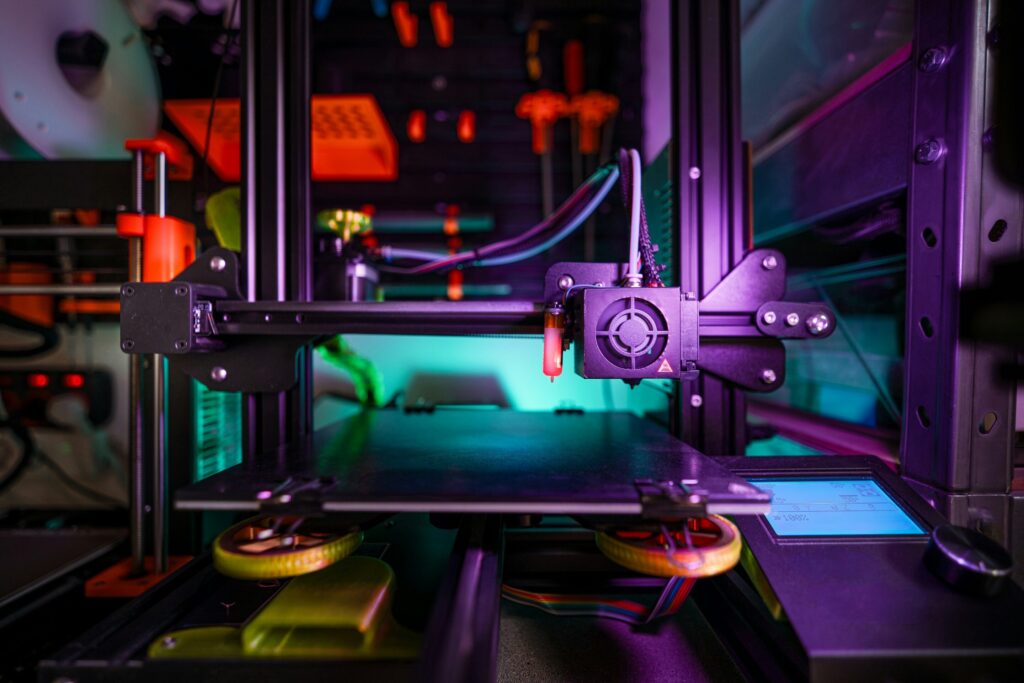
Technology inspired by 3D printing is already being introduced in hospitals and specialized pharmacies to produce personalized medicines tailored to individual patients. In her doctoral thesis at Åbo Akademi University, Mahsa Bahman investigated how the approach can improve dosing accuracy and make customized treatments more widely available.
Many medicines today are produced in standard doses, even though patients often have very different treatment needs. In her doctoral thesis in drug development at Åbo Akademi University, Bahman investigated a technology that could make it easier to produce medicines tailored to individual patients, helping improve dose accuracy and access to treatment.
Personalized medicines are particularly important for children, older patients and others who require doses that are not commercially available. Today, health care professionals and caregivers may need to split tablets or adapt existing medicines, which can make accurate dosing difficult.
In her research, Bahman studied a technology that uses a 3D printing–inspired manufacturing process to produce medicines in individually tailored doses. The system works by dispensing carefully measured amounts of a gel-like formulation, allowing pharmacists to create patient-specific treatments while maintaining consistent quality.
“Children often need medicine strengths that do not exist as commercial products. With this technology, pharmacists can manufacture dosage forms containing exactly the dose an individual child requires,” says Bahman.
The research examined how the technology can be used to manufacture a wide range of personalized medicines and evaluated factors such as dose accuracy, product quality, stability and consistency. The work also investigated how the technology performs in a hospital pharmacy environment.
The technology may also benefit older patients whose medication needs change over time, patients with rare diseases requiring specialized doses and hospital patients who need frequent dose adjustments. It may also help in situations where medicine shortages affect the availability of commercial products.
The thesis is also notable because it was carried out entirely within industry. Bahman conducted her doctoral research as an industrial doctoral researcher at CurifyLabs, a Finnish health technology company and spinoff of Åbo Akademi University. The work illustrates how academic research and industry collaboration can help translate scientific advances into practical health care solutions.
More information
Thesis: www.doria.fi/bitstream/handle/ … quence=1&isAllowed=y
Clinical categories


Citation:
Technology inspired by 3D printing could transform how medicines are tailored to patients (2026, October 8)
retrieved 8 October 2026
from https://medicalxpress.com/news/2026-10-technology-3d-medicines-tailored-patients.html
This document is subject to copyright. Apart from any fair dealing for the purpose of private study or research, no
part may be reproduced without the written permission. The content is provided for information purposes only.

Khamrah by Lattafa for Men - 3.4 oz EDP Spray
4% Off
Ghost Sweetheart Eau de Toilette | Pineapple, Jasmine and Sandalwood | Perfume for Women 50 ml
50% Off
Marc Jacobs Dot Eau De Parfum for Women, 100 ml
42% Off
Ted Baker W Eau de Toilette for Her, Fig Leaf, White Peony and Violet Top Notes, Pink Orchid and Raspberry Middle Notes, 75ml
£11.77 (£15.69 / 100 ml) (as of 09/10/2026 06:28 GMT +01:00 - More infoProduct prices and availability are accurate as of the date/time indicated and are subject to change. Any price and availability information displayed on [relevant Amazon Site(s), as applicable] at the time of purchase will apply to the purchase of this product.)
Ted Baker Woman Pink Eau de Toilette Spray Floral Green Feminine Fragrance, Opening Notes are Fresh Peach, Bergamot and Tangerine with Warm Musk, Vanilla and Vetiver Base, 100ml
11% Off
Vera Wang Princess Eau de Toilette - 30 ml

Choco Musk 50ml Eau De Parfum for men and women | Chocolate Musk by Jannat Aromas
17% Off
Christina Aguilera Signature Eau de Parfum (50ml) Floral, Fruity & Exotic Scent, Luxury Fragrance for Women
9% Off
Calvin Klein - Eau De Toilette CKIN2U - Calvin Klein Women, Ladies Perfume, Women's Perfume, Calvin Klein Perfume, Calvin Klein One - 150 ml
5% Off
Jimmy Choo Flash Eau de Parfum, 60 ml (Pack of 1)
3% Off
Fruit of the Loom Men's Heavy T Shirt, White, XL UK
28% Off
ATNKE LED Lighted Beanie Cap,USB Rechargeable Running Hat Ultra Bright 4 LED Waterproof Light Winter Warm Gifts for Men and Women/Pink
17% Off
Men's 1/4 Zip Pullover UK Sale Clearance, Fleece Sweatshirt Casual Jumper Long Sleeve T-shirt Top Stand Collar Sweater Plain Pullover Sports Leisure Workwear Quarter Zip Sweater Lightweight Jumpers
£5.88 (as of 12/11/2025 00:52 GMT +01:00 - More infoProduct prices and availability are accurate as of the date/time indicated and are subject to change. Any price and availability information displayed on [relevant Amazon Site(s), as applicable] at the time of purchase will apply to the purchase of this product.)
Crevice Cleaning Brush, Bathroom Tile Groove Gap Cleaning Brush,Premium Crevice Cleaning Tool Aluminum Support with 15° Angle Magic Brush, Thin Brush for Home Kitchen
19% Off
Wireless Earbuds, Bluetooth 5.3 Headphones in Ear with HiFi Stereo Deep Bass, 4 ENC Noise Cancelling Mic Wireless Earphones 40H Playtime, Bluetooth Earbuds Dual LED Display, IP7 Waterproof, USB-C
42% Off