Liver cancer is the sixth most common cancer and the third most frequent cause of cancer-related death globally. However, its distribution and causes vary greatly across different regions. While areas like Eastern Asia and sub-Saharan Africa see the most cases, the reasons behind them differ significantly.
In high-income countries, liver cancer has been on the decline thanks to widespread newborn hepatitis B vaccination and antiviral drugs. Meanwhile, low-income countries witness a worrying rise, often linked to increased hepatitis B and C infections and injectable drug use.
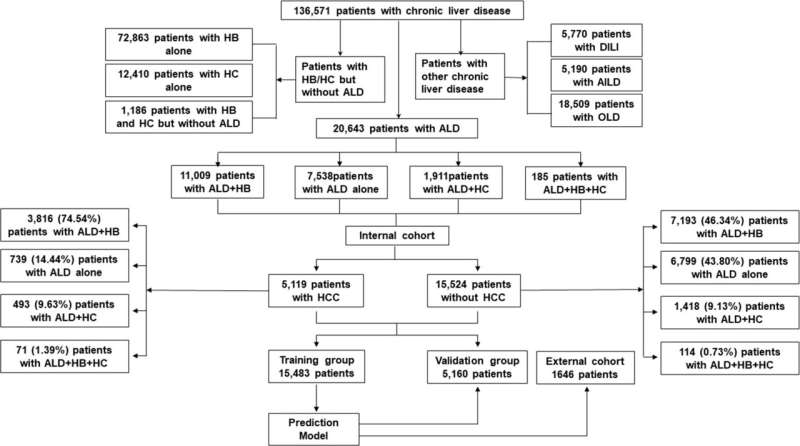
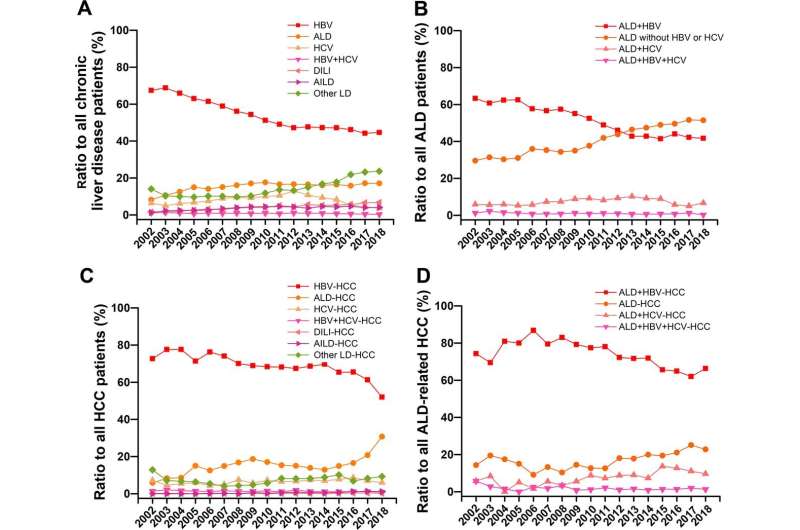
While viral hepatitis remains a major concern, another factor is gaining attention: alcohol consumption. Studies show that chronic alcohol consumption can directly cause about 10% of cancer cases in men and 3%, respectively, in women. In fact, a study at the Mayo Clinic revealed that alcoholic cirrhosis was the main culprit in 29% of patients with hepatocellular carcinoma (HCC), the most common liver cancer type.
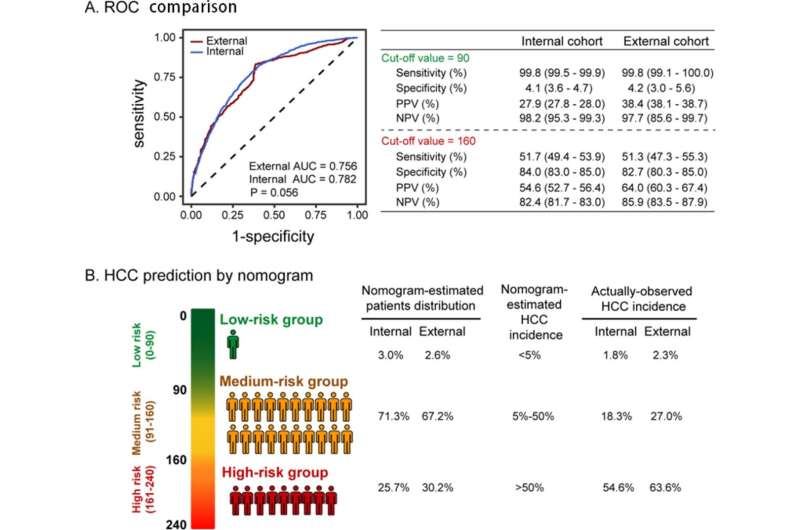
But the study doesn’t just sound the alarm; it also offers a potential solution. Researchers identified key risk factors for HCC in people with alcohol-related liver disease, including heavy drinking, age, diabetes, male sex, and liver cirrhosis. Based on these factors, they developed a novel tool called a nomogram that can predict HCC risk with high accuracy and ease of use.
This nomogram could be a game-changer for doctors, allowing them to personalize treatment plans and identify individuals at the highest risk for HCC. Early intervention could save lives and prevent unnecessary suffering.
This study underscores the growing public health concern of alcohol-related liver cancer. The newly developed nomogram offers a valuable tool for doctors to identify high-risk individuals and personalize treatment plans, potentially saving lives and preventing unnecessary suffering.
While the study provides valuable insights, it acknowledges limitations like its retrospective nature and the need for further validation in larger, prospective studies. Additionally, incorporating other factors like smoking, genetics, and dietary habits could further improve the prediction model.
The researchers also highlight the need for future research on non-alcoholic fatty liver disease and its link to liver cancer, as this area remains under-investigated.
Overall, this study shines a light on the rising threat of alcohol-related liver cancer and offers a promising tool for early detection and intervention. Further research and public health efforts are crucial to combat this growing health challenge.
The findings are published in the journal eGastroenterology.
More information:
Binxia Chang et al, Prevalence and prediction of hepatocellular carcinoma in alcohol-associated liver disease: a retrospective study of 136 571 patients with chronic liver diseases, eGastroenterology (2024). DOI: 10.1136/egastro-2023-100036
Provided by
First Hospital of Jilin University
Citation:
Rising alcohol-related liver cancer prompts new prediction tool (2024, March 5)
retrieved 5 March 2024
from https://medicalxpress.com/news/2024-03-alcohol-liver-cancer-prompts-tool.html
This document is subject to copyright. Apart from any fair dealing for the purpose of private study or research, no
part may be reproduced without the written permission. The content is provided for information purposes only.

Khamrah by Lattafa for Men - 3.4 oz EDP Spray
4% Off
Ghost Sweetheart Eau de Toilette | Pineapple, Jasmine and Sandalwood | Perfume for Women 50 ml
50% Off
Marc Jacobs Dot Eau De Parfum for Women, 100 ml
42% Off
Ted Baker W Eau de Toilette for Her, Fig Leaf, White Peony and Violet Top Notes, Pink Orchid and Raspberry Middle Notes, 75ml
£11.77 (£15.69 / 100 ml) (as of 23/08/2026 04:39 GMT +01:00 - More infoProduct prices and availability are accurate as of the date/time indicated and are subject to change. Any price and availability information displayed on [relevant Amazon Site(s), as applicable] at the time of purchase will apply to the purchase of this product.)
Ted Baker Woman Pink Eau de Toilette Spray Floral Green Feminine Fragrance, Opening Notes are Fresh Peach, Bergamot and Tangerine with Warm Musk, Vanilla and Vetiver Base, 100ml
11% Off
Vera Wang Princess Eau de Toilette - 30 ml

Choco Musk 50ml Eau De Parfum for men and women | Chocolate Musk by Jannat Aromas
17% Off
Christina Aguilera Signature Eau de Parfum (50ml) Floral, Fruity & Exotic Scent, Luxury Fragrance for Women
9% Off
Calvin Klein - Eau De Toilette CKIN2U - Calvin Klein Women, Ladies Perfume, Women's Perfume, Calvin Klein Perfume, Calvin Klein One - 150 ml
5% Off
Jimmy Choo Flash Eau de Parfum, 60 ml (Pack of 1)
3% Off
Fruit of the Loom Men's Heavy T Shirt, White, XL UK
28% Off
ATNKE LED Lighted Beanie Cap,USB Rechargeable Running Hat Ultra Bright 4 LED Waterproof Light Winter Warm Gifts for Men and Women/Pink
17% Off
Men's 1/4 Zip Pullover UK Sale Clearance, Fleece Sweatshirt Casual Jumper Long Sleeve T-shirt Top Stand Collar Sweater Plain Pullover Sports Leisure Workwear Quarter Zip Sweater Lightweight Jumpers
£5.88 (as of 12/11/2025 00:52 GMT +01:00 - More infoProduct prices and availability are accurate as of the date/time indicated and are subject to change. Any price and availability information displayed on [relevant Amazon Site(s), as applicable] at the time of purchase will apply to the purchase of this product.)
Crevice Cleaning Brush, Bathroom Tile Groove Gap Cleaning Brush,Premium Crevice Cleaning Tool Aluminum Support with 15° Angle Magic Brush, Thin Brush for Home Kitchen
19% Off
Wireless Earbuds, Bluetooth 5.3 Headphones in Ear with HiFi Stereo Deep Bass, 4 ENC Noise Cancelling Mic Wireless Earphones 40H Playtime, Bluetooth Earbuds Dual LED Display, IP7 Waterproof, USB-C
42% Off