[
[
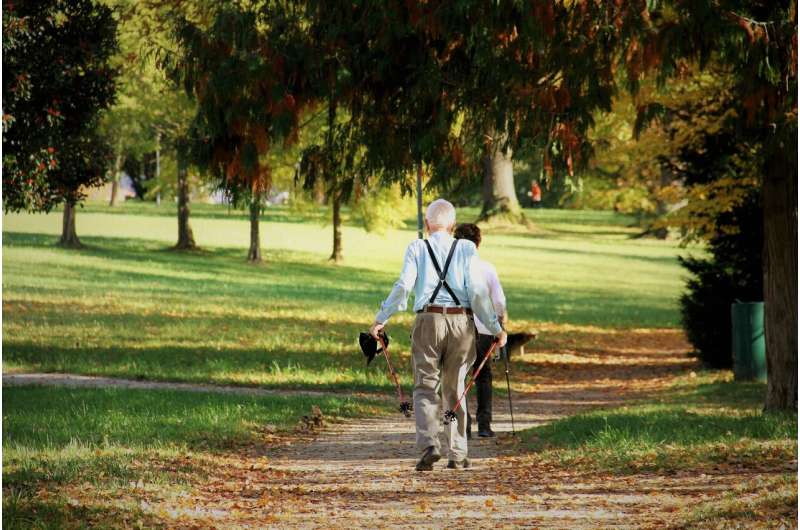
Resistance or muscle-strengthening exercise, using weights or the body itself, may be the best type of exercise for tackling insomnia in older age, suggests a pooled data analysis of the available research, published in the open-access journal Family Medicine and Community Health.
Aerobic exercise or a mix of strength, aerobic, balance, and flexibility exercises also seem to be effective, the analysis indicates.
Sleep quality tends to decline with age. And up to one in five older adults has insomnia, say the researchers. Poor quality sleep is not only linked to a range of serious health problems and cognitive impairment, but it also increases the likelihood of workplace under-performance and absenteeism, they add.
Previously published research suggests that exercise helps to alleviate the symptoms of insomnia, but it’s not clear which type of exercise might be most helpful.
In a bid to find out, the researchers scoured research databases for relevant clinical trials, published up to October 2022, that compared physical exercise with routine activities, usual care, other non-physical activity, or health education in people formally diagnosed with insomnia, using the Global Pittsburgh Sleep Quality Index (GPSQI).
The types of exercise covered by the studies included: aerobic, such as cycling, dancing, swimming, brisk walking, and gardening; resistance, such as using weights, push-ups, and planks; balance, such as step-ups, heel-to-toe walking; flexibility, such as gymnastics, yoga, and Pilates; and combination exercise encompassing a mix.
Twenty-four studies, involving 2,045 adults aged at least 60 (average 70), were included in the pooled data analysis. Most were carried out in Asia (56%), North America (16%), South America (16%), and Europe (12%). One in five were carried out in nursing homes.
Over half of the reported exercise intensity was mild to moderate and moderate, with an average length of a session of just over 50 minutes, and frequency around two to three times a week. On average, the exercise programs lasted 14 weeks.
The pooled data analysis included only studies looking at combination exercise and aerobic exercise, because there weren’t enough studies covering the other exercise types.
This analysis showed that combined exercise significantly improved the GPSQI by 2.35 points while aerobic activity improved it by 4.35 points.
When the data were pooled using a network meta analysis–a statistical method that looks at several different ‘treatments’ and combines both direct and indirect effects—strength/resistance exercise was the most effective, improving the GPSQI by 5.75 points.
Aerobic exercise improved the GPQSI by 3.76 points, while combination exercise improved it by 2.54.
Of the comparators, sleep education was the most effective, although what this entailed wasn’t clearly defined in the included studies, and it still wasn’t as good as muscle strengthening/resistance exercise, the analysis showed.
The researchers caution that the design and methodology of the included studies varied considerably, and only a few looked at particular types of exercise. Several didn’t include any information on exercise intensity either.
Some exercises may prove challenging for older people because of restricted physical capabilities, suggest the researchers. But they nevertheless conclude, “Exercise, particularly strengthening exercise and aerobic exercise, is beneficial for enhancing subjective sleep quality at a clinically significant level compared with normal activities.”
More information:
Impact of different types of physical exercise on sleep quality in older population with insomnia: a systematic review and network meta-analysis of randomised controlled trials, Family Medicine and Community Health (2025). DOI: 10.1136/fmch-2024-003056
Citation:
Resistance exercise may be best type for tackling insomnia in older age, data analysis suggests (2025, March 4)
retrieved 4 March 2025
from https://medicalxpress.com/news/2025-03-resistance-tackling-insomnia-older-age.html
This document is subject to copyright. Apart from any fair dealing for the purpose of private study or research, no
part may be reproduced without the written permission. The content is provided for information purposes only.

Khamrah by Lattafa for Men - 3.4 oz EDP Spray
4% Off
Ghost Sweetheart Eau de Toilette | Pineapple, Jasmine and Sandalwood | Perfume for Women 50 ml
50% Off
Marc Jacobs Dot Eau De Parfum for Women, 100 ml
42% Off
Ted Baker W Eau de Toilette for Her, Fig Leaf, White Peony and Violet Top Notes, Pink Orchid and Raspberry Middle Notes, 75ml
£11.77 (£15.69 / 100 ml) (as of 28/07/2026 04:03 GMT +01:00 - More infoProduct prices and availability are accurate as of the date/time indicated and are subject to change. Any price and availability information displayed on [relevant Amazon Site(s), as applicable] at the time of purchase will apply to the purchase of this product.)
Ted Baker Woman Pink Eau de Toilette Spray Floral Green Feminine Fragrance, Opening Notes are Fresh Peach, Bergamot and Tangerine with Warm Musk, Vanilla and Vetiver Base, 100ml
11% Off
Vera Wang Princess Eau de Toilette - 30 ml

Choco Musk 50ml Eau De Parfum for men and women | Chocolate Musk by Jannat Aromas
17% Off
Christina Aguilera Signature Eau de Parfum (50ml) Floral, Fruity & Exotic Scent, Luxury Fragrance for Women
9% Off
Calvin Klein - Eau De Toilette CKIN2U - Calvin Klein Women, Ladies Perfume, Women's Perfume, Calvin Klein Perfume, Calvin Klein One - 150 ml
5% Off
Jimmy Choo Flash Eau de Parfum, 60 ml (Pack of 1)
3% Off
Fruit of the Loom Men's Heavy T Shirt, White, XL UK
28% Off
ATNKE LED Lighted Beanie Cap,USB Rechargeable Running Hat Ultra Bright 4 LED Waterproof Light Winter Warm Gifts for Men and Women/Pink
17% Off
Men's 1/4 Zip Pullover UK Sale Clearance, Fleece Sweatshirt Casual Jumper Long Sleeve T-shirt Top Stand Collar Sweater Plain Pullover Sports Leisure Workwear Quarter Zip Sweater Lightweight Jumpers
£5.88 (as of 12/11/2025 00:52 GMT +01:00 - More infoProduct prices and availability are accurate as of the date/time indicated and are subject to change. Any price and availability information displayed on [relevant Amazon Site(s), as applicable] at the time of purchase will apply to the purchase of this product.)
Crevice Cleaning Brush, Bathroom Tile Groove Gap Cleaning Brush,Premium Crevice Cleaning Tool Aluminum Support with 15° Angle Magic Brush, Thin Brush for Home Kitchen
19% Off
Wireless Earbuds, Bluetooth 5.3 Headphones in Ear with HiFi Stereo Deep Bass, 4 ENC Noise Cancelling Mic Wireless Earphones 40H Playtime, Bluetooth Earbuds Dual LED Display, IP7 Waterproof, USB-C
42% Off