
 [


A study has found that increases in risk-taking behavior in people with mild to moderate alcohol use disorder (AUD) precede increases in alcohol consumption, not vice versa. This research is the first to predict changes in real-life drinking longitudinally using gamified smartphone-based decision-making tasks. The findings from the study, appearing in Biological Psychiatry: Cognitive Neuroscience and Neuroimaging, open up the possibility of future targeted and timely interventions for people with AUD.
AUD is a major contributor to global disability and mortality. Cross-sectional studies have linked AUD to reduced cognitive control and heightened risky decision-making. However, whether these cognitive-behavioral alterations are a consequence or a precursor of changes in drinking was previously unknown. This study clarifies the temporal direction of these effects.
The investigators conducted a one-year longitudinal study in individuals with mostly mild to moderate AUD who may fluctuate substantially in their drinking over time. Using smartphone-based assessments and gamified experiments, the researchers tracked participants’ drinking behavior, cognitive control and decision-making.
“We found that monthly fluctuations in aspects of decision-making predicted subsequent alcohol consumption,” explains co-lead investigator Dr. Hilmar Zech, postdoctoral research fellow at the University Hospital Würzburg and Technische Universität Dresden, Germany. “Specifically, participants shifted to higher monthly alcohol consumption when their risk-taking was higher in a mixed gambling context and lower in a loss context in the preceding month. Further, when information sampling biases decreased, participants consumed more alcohol in the subsequent month.”
Co-lead investigator Dr. Lorenz Deserno, associate professor for neuroscience in developmental psychiatry and principal investigator of the Computational and Developmental Psychiatry Lab at the University Hospital Würzburg, Germany, adds, “This temporal direction was specific and was not observed vice versa, even after accounting for the amount of previous drinking. The findings also showed that fluctuations in self-control (i.e., response inhibition and working memory) and reward-driven behavior (i.e., risk-taking for rewards) were not associated with fluctuations in drinking.”
Editor-in-chief of Biological Psychiatry: Cognitive Neuroscience and Neuroimaging Cameron S. Carter, M.D., of the University of California Irvine School of Medicine, comments, “Decision-making and cognitive control cannot be accurately examined through interviews or self-reports and instead require experimental tasks. To address real-life fluctuations, the researchers of this study developed smartphone-based versions of experimental tasks. The findings of this longitudinal assessment suggest that smartphone-based gamified tasks show promise in identifying periods of heightened risk in people with AUD, paving the way for mechanism-based, real-time interventions.”
While there are no immediate treatment implications, these findings using smartphone-based and gamified measurement methods to link certain key aspects of risky decision-making to subsequent increases in real-life drinking could guide the development of early detection and preventive interventions such as warning signals for high-risk periods to deliver targeted and personalized support at just the right time.
More information
Hilmar Zech et al., Fluctuations in Real-Life Drinking in Alcohol Use Disorder: A 1-Year Longitudinal Study Using Gamified Tasks of Decision Making and Cognitive Control, Biological Psychiatry: Cognitive Neuroscience and Neuroimaging (2026). DOI: 10.1016/j.bpsc.2026.07.019
Key medical concepts


Citation:
Research shows risk-taking behavior precedes increased alcohol consumption, not vice versa (2026, October 19)
retrieved 19 October 2026
from https://medicalxpress.com/news/2026-10-behavior-alcohol-consumption-vice-versa.html
This document is subject to copyright. Apart from any fair dealing for the purpose of private study or research, no
part may be reproduced without the written permission. The content is provided for information purposes only.

Khamrah by Lattafa for Men - 3.4 oz EDP Spray
4% Off
Ghost Sweetheart Eau de Toilette | Pineapple, Jasmine and Sandalwood | Perfume for Women 50 ml
50% Off
Marc Jacobs Dot Eau De Parfum for Women, 100 ml
42% Off
Ted Baker W Eau de Toilette for Her, Fig Leaf, White Peony and Violet Top Notes, Pink Orchid and Raspberry Middle Notes, 75ml
£11.77 (£15.69 / 100 ml) (as of 19/10/2026 06:36 GMT +01:00 - More infoProduct prices and availability are accurate as of the date/time indicated and are subject to change. Any price and availability information displayed on [relevant Amazon Site(s), as applicable] at the time of purchase will apply to the purchase of this product.)
Ted Baker Woman Pink Eau de Toilette Spray Floral Green Feminine Fragrance, Opening Notes are Fresh Peach, Bergamot and Tangerine with Warm Musk, Vanilla and Vetiver Base, 100ml
11% Off
Vera Wang Princess Eau de Toilette - 30 ml
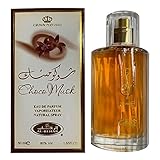
Choco Musk 50ml Eau De Parfum for men and women | Chocolate Musk by Jannat Aromas
17% Off
Christina Aguilera Signature Eau de Parfum (50ml) Floral, Fruity & Exotic Scent, Luxury Fragrance for Women
9% Off
Calvin Klein - Eau De Toilette CKIN2U - Calvin Klein Women, Ladies Perfume, Women's Perfume, Calvin Klein Perfume, Calvin Klein One - 150 ml
5% Off
Jimmy Choo Flash Eau de Parfum, 60 ml (Pack of 1)
3% Off
Fruit of the Loom Men's Heavy T Shirt, White, XL UK
28% Off
ATNKE LED Lighted Beanie Cap,USB Rechargeable Running Hat Ultra Bright 4 LED Waterproof Light Winter Warm Gifts for Men and Women/Pink
17% Off
Men's 1/4 Zip Pullover UK Sale Clearance, Fleece Sweatshirt Casual Jumper Long Sleeve T-shirt Top Stand Collar Sweater Plain Pullover Sports Leisure Workwear Quarter Zip Sweater Lightweight Jumpers
£5.88 (as of 12/11/2025 00:52 GMT +01:00 - More infoProduct prices and availability are accurate as of the date/time indicated and are subject to change. Any price and availability information displayed on [relevant Amazon Site(s), as applicable] at the time of purchase will apply to the purchase of this product.)
Crevice Cleaning Brush, Bathroom Tile Groove Gap Cleaning Brush,Premium Crevice Cleaning Tool Aluminum Support with 15° Angle Magic Brush, Thin Brush for Home Kitchen
19% Off
Wireless Earbuds, Bluetooth 5.3 Headphones in Ear with HiFi Stereo Deep Bass, 4 ENC Noise Cancelling Mic Wireless Earphones 40H Playtime, Bluetooth Earbuds Dual LED Display, IP7 Waterproof, USB-C
42% Off