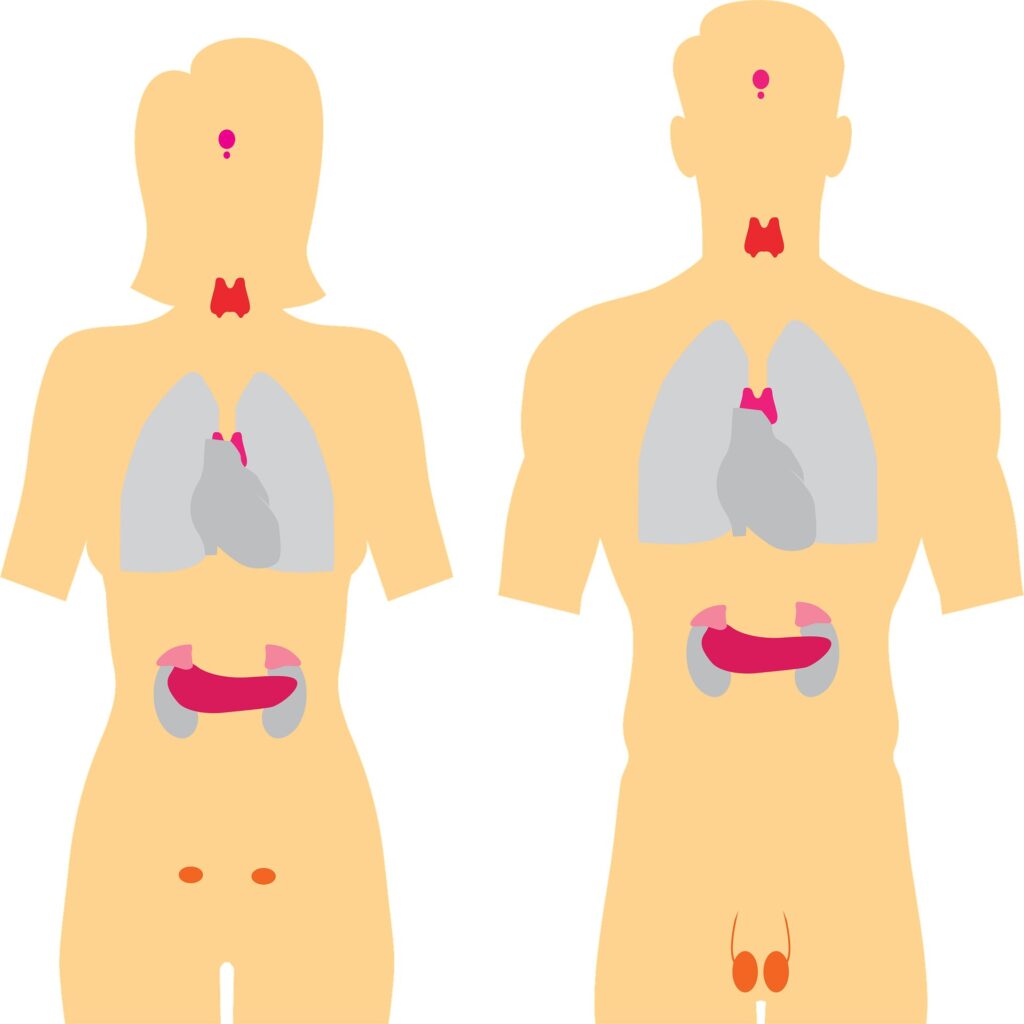

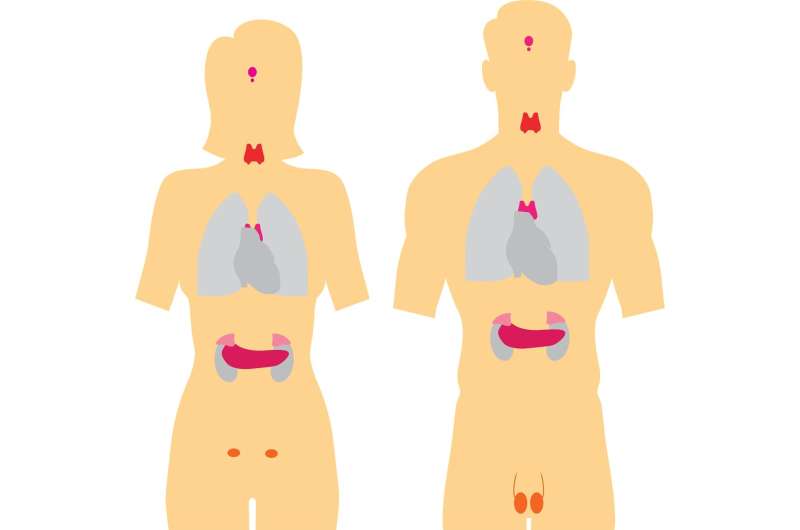
A study of more than 250 persons undergoing surgical therapy for Cushing’s disease (CD) or nonfunctioning pituitary adenomas (NFPAs) found that patients who achieved remission of CD were more likely than those with surgically treated NFPAs to develop new-onset autoimmune disease within three years after remission. The study is published in Annals of Internal Medicine.
CD results from excessive production of corticotropin (ACTH) by a pituitary adenoma, which causes hypercortisolemia. Transsphenoidal surgery (TSS) is the first-line treatment for most hypersecreting pituitary adenomas. After TSS for CD, adrenal insufficiency occurs once the ACTH-secreting tumor is removed, the signs and symptoms of hypercortisolemia typically improve over time but steroid withdrawal symptoms may develop after remission of CD. In addition, the development of new autoimmune disease in patients after CD remission has been observed, but research is limited.
Researchers from Harvard Medical School identified 194 persons with CD and 92 persons with NFPA, frequency-matched for age and sex, who underwent pituitary surgery. The authors found that persons with CD who achieved remission were more likely than those with surgically treated NFPAs to develop new-onset autoimmune disease within three years after remission. The cumulative incidence was 10.4%.
According to the authors, higher prevalence of adrenal insufficiency and the lower nadir serum cortisol levels in the CD group suggest that the postoperative adrenal insufficiency might have contributed to the development of autoimmune diseases. They also note that patients with CD who have a family history of autoimmune disease should be carefully monitored after achieving remission.
In addition, the authors add that higher doses of early postoperative glucocorticoid replacement might be associated with decreased risk for development of autoimmune disease. These findings have implications for the understanding of the natural history of autoimmune disease and its relationship to cortisol fluctuations.
More information:
Autoimmune Disorders Associated With Surgical Remission of Cushing’s Disease, Annals of Internal Medicine (2024). DOI: 10.7326/M23-2024
Citation:
Remission of Cushing’s disease associated with higher risk of developing autoimmune disease (2024, February 19)
retrieved 19 February 2024
from https://medicalxpress.com/news/2024-02-remission-cushing-disease-higher-autoimmune.html
This document is subject to copyright. Apart from any fair dealing for the purpose of private study or research, no
part may be reproduced without the written permission. The content is provided for information purposes only.

Khamrah by Lattafa for Men - 3.4 oz EDP Spray
4% Off
Ghost Sweetheart Eau de Toilette | Pineapple, Jasmine and Sandalwood | Perfume for Women 50 ml
50% Off
Marc Jacobs Dot Eau De Parfum for Women, 100 ml
42% Off
Ted Baker W Eau de Toilette for Her, Fig Leaf, White Peony and Violet Top Notes, Pink Orchid and Raspberry Middle Notes, 75ml
£11.77 (£15.69 / 100 ml) (as of 30/09/2026 05:08 GMT +01:00 - More infoProduct prices and availability are accurate as of the date/time indicated and are subject to change. Any price and availability information displayed on [relevant Amazon Site(s), as applicable] at the time of purchase will apply to the purchase of this product.)
Ted Baker Woman Pink Eau de Toilette Spray Floral Green Feminine Fragrance, Opening Notes are Fresh Peach, Bergamot and Tangerine with Warm Musk, Vanilla and Vetiver Base, 100ml
11% Off
Vera Wang Princess Eau de Toilette - 30 ml

Choco Musk 50ml Eau De Parfum for men and women | Chocolate Musk by Jannat Aromas
17% Off
Christina Aguilera Signature Eau de Parfum (50ml) Floral, Fruity & Exotic Scent, Luxury Fragrance for Women
9% Off
Calvin Klein - Eau De Toilette CKIN2U - Calvin Klein Women, Ladies Perfume, Women's Perfume, Calvin Klein Perfume, Calvin Klein One - 150 ml
5% Off
Jimmy Choo Flash Eau de Parfum, 60 ml (Pack of 1)
3% Off
Fruit of the Loom Men's Heavy T Shirt, White, XL UK
28% Off
ATNKE LED Lighted Beanie Cap,USB Rechargeable Running Hat Ultra Bright 4 LED Waterproof Light Winter Warm Gifts for Men and Women/Pink
17% Off
Men's 1/4 Zip Pullover UK Sale Clearance, Fleece Sweatshirt Casual Jumper Long Sleeve T-shirt Top Stand Collar Sweater Plain Pullover Sports Leisure Workwear Quarter Zip Sweater Lightweight Jumpers
£5.88 (as of 12/11/2025 00:52 GMT +01:00 - More infoProduct prices and availability are accurate as of the date/time indicated and are subject to change. Any price and availability information displayed on [relevant Amazon Site(s), as applicable] at the time of purchase will apply to the purchase of this product.)
Crevice Cleaning Brush, Bathroom Tile Groove Gap Cleaning Brush,Premium Crevice Cleaning Tool Aluminum Support with 15° Angle Magic Brush, Thin Brush for Home Kitchen
19% Off
Wireless Earbuds, Bluetooth 5.3 Headphones in Ear with HiFi Stereo Deep Bass, 4 ENC Noise Cancelling Mic Wireless Earphones 40H Playtime, Bluetooth Earbuds Dual LED Display, IP7 Waterproof, USB-C
42% Off