 [
[

For people living in regional and remote communities, where access to a GP or pathology services can involve long travel distances and large out-of-pocket expenses, point-of-care testing (POCT) offers a convenient way to receive timely health information closer to home. New research from Flinders University suggests these rapid, on-the-spot health tests may do more than deliver faster results—they could also help people better understand their health and feel more confident managing long-term conditions like diabetes and heart disease.
Published in the journal, BMC Public Health, the study reviewed evidence from around the world to examine whether point-of-care testing improves health literacy—a person’s ability to understand, use and act on health information in everyday life.
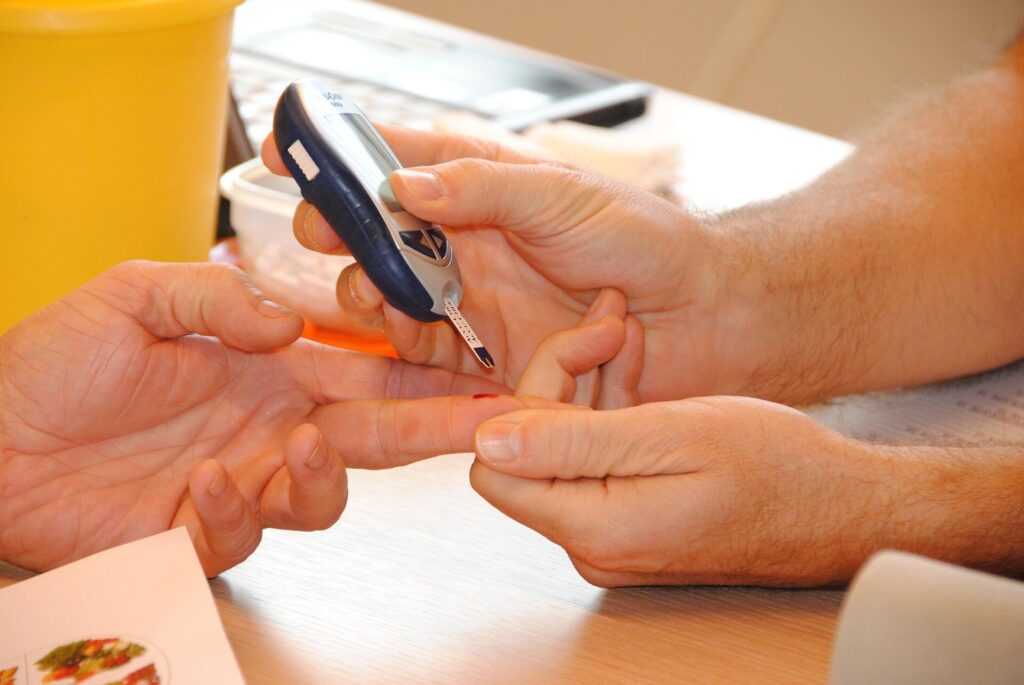
Point-of-care tests are pathology tests performed at or near where care is delivered, such as a finger-prick blood test that produces results during the same appointment, rather than days later through a laboratory.
The Flinders-led review analyzed 13 studies from around the world involving more than 21,000 people, focusing on non-communicable diseases including diabetes and cardiovascular disease, which together account for the majority of deaths globally.
Rather than looking only at medical results, the researchers examined how point-of-care testing affected people’s understanding of their condition, their confidence in managing it, and their motivation to make positive lifestyle changes.
Lead author Dr. Kelcie Miller from Flinders University’s College of Medicine and Public Health says the findings showed that speed and context make a difference. “When people receive their results straight away and can talk through what they mean with a health professional, it changes how they engage with their health,” says Dr. Miller. “It helps turn test results into knowledge people can actually use.”
Across the studies, people who used point-of-care testing reported better understanding of their condition, increased confidence in self-management, and greater motivation to improve diet or physical activity. Some also reported reduced anxiety and improved quality of life, particularly when tests were used regularly to monitor long-term conditions such as diabetes or blood clotting disorders.
Importantly, the review found that improved understanding often translated into action. Several studies showed better medication adherence and improvements in key clinical markers, including lower long-term blood sugar levels among people with diabetes. Even small improvements in these measures are known to reduce the risk of serious complications, such as heart disease, kidney failure and vision loss.
Senior author, Matthew Flinders Professor Mark Shephard, Founding Director of FHMRI’s International Center for Point-of-Care Testing, says the findings highlight the broader value of bringing testing closer to patients. “Point-of-care testing delivers information in a way that is immediate and meaningful. It supports conversations, builds confidence and helps people connect everyday choices with long-term health outcomes.”
The review also found that parents of children with diabetes felt more confident managing their child’s condition when they had immediate access to test results. In community settings, such as health fairs, people reported that testing prompted them to consider healthier lifestyle choices they might not otherwise have made.
The researchers note that health literacy involves more than simply reading information. It includes being able to access, understand, remember and use health information—and the studies reviewed suggested point-of-care testing may support all of these steps.
Dr. Miller says further research is needed, but the direction is clear. “We need to better understand how these tools can be used equitably and at scale, especially in communities where access to traditional laboratory testing is limited,” she says.
As health systems worldwide contend with rising rates of chronic disease, the researchers say the review provides timely evidence that bringing testing closer to people may empower patients, improve long-term outcomes, and support a more patient-centered approach to care.
Publication details
Kelcie Miller et al, Point-of-care testing for non-communicable diseases and health literacy outcomes: a systematic review, BMC Public Health (2026). DOI: 10.1186/s12889-026-26519-w
Journal information:
BMC Public Health
Who’s behind this story?

Lisa Lock

Citation:
Rapid health tests boost patient confidence and understanding (2026, May 13)
retrieved 13 May 2026
from https://medicalxpress.com/news/2026-05-rapid-health-boost-patient-confidence.html
This document is subject to copyright. Apart from any fair dealing for the purpose of private study or research, no
part may be reproduced without the written permission. The content is provided for information purposes only.

Khamrah by Lattafa for Men - 3.4 oz EDP Spray
4% Off
Ghost Sweetheart Eau de Toilette | Pineapple, Jasmine and Sandalwood | Perfume for Women 50 ml
50% Off
Marc Jacobs Dot Eau De Parfum for Women, 100 ml
42% Off
Ted Baker W Eau de Toilette for Her, Fig Leaf, White Peony and Violet Top Notes, Pink Orchid and Raspberry Middle Notes, 75ml
£11.77 (£15.69 / 100 ml) (as of 27/08/2026 04:40 GMT +01:00 - More infoProduct prices and availability are accurate as of the date/time indicated and are subject to change. Any price and availability information displayed on [relevant Amazon Site(s), as applicable] at the time of purchase will apply to the purchase of this product.)
Ted Baker Woman Pink Eau de Toilette Spray Floral Green Feminine Fragrance, Opening Notes are Fresh Peach, Bergamot and Tangerine with Warm Musk, Vanilla and Vetiver Base, 100ml
11% Off
Vera Wang Princess Eau de Toilette - 30 ml

Choco Musk 50ml Eau De Parfum for men and women | Chocolate Musk by Jannat Aromas
17% Off
Christina Aguilera Signature Eau de Parfum (50ml) Floral, Fruity & Exotic Scent, Luxury Fragrance for Women
9% Off
Calvin Klein - Eau De Toilette CKIN2U - Calvin Klein Women, Ladies Perfume, Women's Perfume, Calvin Klein Perfume, Calvin Klein One - 150 ml
5% Off
Jimmy Choo Flash Eau de Parfum, 60 ml (Pack of 1)
3% Off
Fruit of the Loom Men's Heavy T Shirt, White, XL UK
28% Off
ATNKE LED Lighted Beanie Cap,USB Rechargeable Running Hat Ultra Bright 4 LED Waterproof Light Winter Warm Gifts for Men and Women/Pink
17% Off
Men's 1/4 Zip Pullover UK Sale Clearance, Fleece Sweatshirt Casual Jumper Long Sleeve T-shirt Top Stand Collar Sweater Plain Pullover Sports Leisure Workwear Quarter Zip Sweater Lightweight Jumpers
£5.88 (as of 12/11/2025 00:52 GMT +01:00 - More infoProduct prices and availability are accurate as of the date/time indicated and are subject to change. Any price and availability information displayed on [relevant Amazon Site(s), as applicable] at the time of purchase will apply to the purchase of this product.)
Crevice Cleaning Brush, Bathroom Tile Groove Gap Cleaning Brush,Premium Crevice Cleaning Tool Aluminum Support with 15° Angle Magic Brush, Thin Brush for Home Kitchen
19% Off
Wireless Earbuds, Bluetooth 5.3 Headphones in Ear with HiFi Stereo Deep Bass, 4 ENC Noise Cancelling Mic Wireless Earphones 40H Playtime, Bluetooth Earbuds Dual LED Display, IP7 Waterproof, USB-C
42% Off