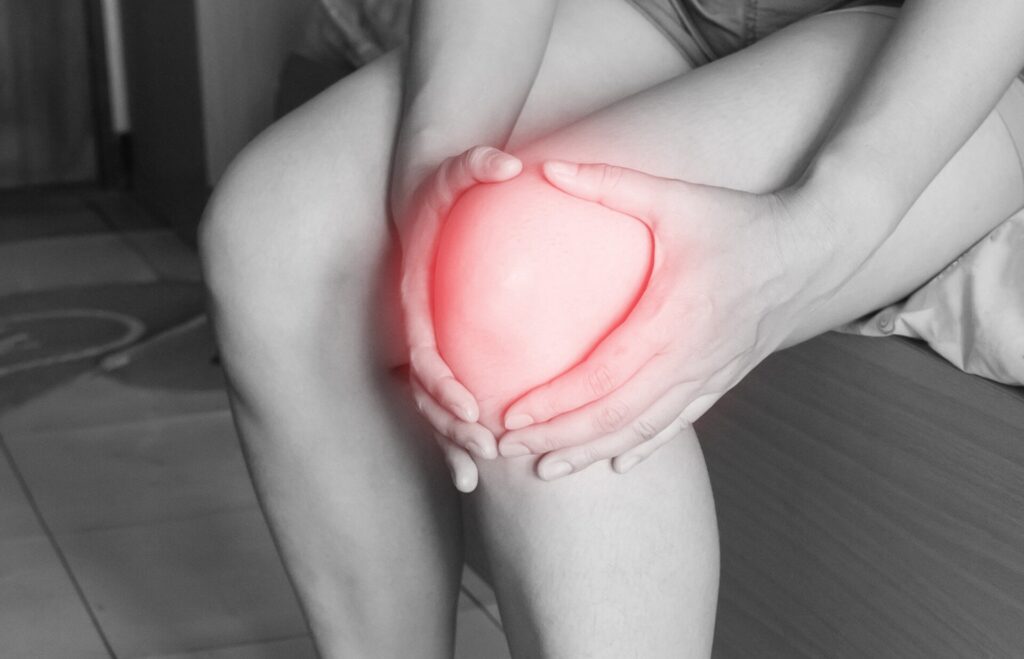
It’s cold and wet outside. As you get out of bed, you can feel it in your bones. Your right knee is flaring up again. That’ll make it harder for you to walk the dog or go to the gym. You think it must be because of the weather.
It’s a common idea, but a myth.
When we looked at the evidence, we found no direct link between the temperature or humidity with most joint or muscle aches and pains.
So why are so many of us convinced the weather’s to blame? Here’s what we think is really going on.
Weather can be linked to your health
The weather is often associated with the risk of new and ongoing health conditions. For example, cold temperatures may worsen asthma symptoms. Hot temperatures increase the risk of heart problems, such as arrhythmia (irregular heartbeat), cardiac arrest and coronary heart disease.
Many people are also convinced the weather is linked to their aches and pains. For example, two in every three people with knee, hip or hand osteoarthritis say cold temperatures trigger their symptoms.
Musculoskeletal conditions affect more than 7 million Australians. So we set out to find out whether weather is really the culprit behind winter flare-ups.
What we did
Very few studies have been specifically and appropriately designed to look for any direct link between weather changes and joint or muscle pain. And ours is the first to evaluate data from these particular studies.
We looked at data from more than 15,000 people from around the world. Together, these people reported more than 28,000 episodes of pain, mostly back pain, knee or hip osteoarthritis. People with rheumatoid arthritis and gout were also included.
We then compared the frequency of those pain reports between different types of weather: hot or cold, humid or dry, rainy, windy, as well as some combinations (for example, hot and humid versus cold and dry).
What we found
We found changes in air temperature, humidity, air pressure and rainfall do not increase the risk of knee, hip or lower back pain symptoms and are not associated with people seeking care for a new episode of arthritis.
The results of this study suggest we do not experience joint or muscle pain flare-ups as a result of changes in the weather, and a cold day will not increase our risk of having knee or back pain.
In other words, there is no direct link between the weather and back, knee or hip pain, nor will it give you arthritis.
It is important to note, though, that very cold air temperatures (under 10°C) were rarely studied so we cannot make conclusions about worsening symptoms in more extreme changes in the weather.
The only exception to our findings was for gout, an inflammatory type of arthritis that can come and go. Here, pain increased in warmer, dry conditions.
Gout has a very different underlying biological mechanism to back pain or knee and hip osteoarthritis, which may explain our results. The combination of warm and dry weather may lead to increased dehydration and consequently increased concentration of uric acid in the blood, and deposition of uric acid crystals in the joint in people with gout, resulting in a flare-up.
Why do people blame the weather?
The weather can influence other factors and behaviors that consequently shape how we perceive and manage pain.
For example, some people may change their physical activity routine during winter, choosing the couch over the gym. And we know prolonged sitting, for instance, is directly linked to worse back pain. Others may change their sleep routine or sleep less well when it is either too cold or too warm. Once again, a bad night’s sleep can trigger your back and knee pain.
Likewise, changes in mood, often experienced in cold weather, trigger increases in both back and knee pain.
So these changes in behavior over winter may contribute to more aches and pains, and not the weather itself.
Believing our pain will feel worse in winter (even if this is not the case) may also make us feel worse in winter. This is known as the nocebo effect.
What to do about winter aches and pains?
It’s best to focus on risk factors for pain you can control and modify, rather than ones you can’t (such as the weather).
You can:
- become more physically active. This winter, and throughout the year, aim to walk more, or talk to your health-care provider about gentle exercises you can safely do at home, with a physiotherapist, personal trainer or at the pool
- lose weight if obese or overweight, as this is linked to lower levels of joint pain and better physical function
- keep your body warm in winter if you feel some muscle tension in uncomfortably cold conditions. Also ensure your bedroom is nice and warm as we tend to sleep less well in cold rooms
- maintain a healthy diet and avoid smoking or drinking high levels of alcohol. These are among key lifestyle recommendations to better manage many types of arthritis and musculoskeletal conditions. For people with back pain, for example, a healthy lifestyle is linked with higher levels of physical function.
This article is republished from The Conversation under a Creative Commons license. Read the original article.
Citation:
No, your aches and pains don’t get worse in the cold. So why do we think they do? (2024, August 14)
retrieved 14 August 2024
from https://medicalxpress.com/news/2024-08-aches-pains-dont-worse-cold.html
This document is subject to copyright. Apart from any fair dealing for the purpose of private study or research, no
part may be reproduced without the written permission. The content is provided for information purposes only.

Khamrah by Lattafa for Men - 3.4 oz EDP Spray
4% Off
Ghost Sweetheart Eau de Toilette | Pineapple, Jasmine and Sandalwood | Perfume for Women 50 ml
50% Off
Marc Jacobs Dot Eau De Parfum for Women, 100 ml
42% Off
Ted Baker W Eau de Toilette for Her, Fig Leaf, White Peony and Violet Top Notes, Pink Orchid and Raspberry Middle Notes, 75ml
£11.77 (£15.69 / 100 ml) (as of 30/06/2026 03:52 GMT +01:00 - More infoProduct prices and availability are accurate as of the date/time indicated and are subject to change. Any price and availability information displayed on [relevant Amazon Site(s), as applicable] at the time of purchase will apply to the purchase of this product.)
Ted Baker Woman Pink Eau de Toilette Spray Floral Green Feminine Fragrance, Opening Notes are Fresh Peach, Bergamot and Tangerine with Warm Musk, Vanilla and Vetiver Base, 100ml
11% Off
Vera Wang Princess Eau de Toilette - 30 ml

Choco Musk 50ml Eau De Parfum for men and women | Chocolate Musk by Jannat Aromas
17% Off
Christina Aguilera Signature Eau de Parfum (50ml) Floral, Fruity & Exotic Scent, Luxury Fragrance for Women
9% Off
Calvin Klein - Eau De Toilette CKIN2U - Calvin Klein Women, Ladies Perfume, Women's Perfume, Calvin Klein Perfume, Calvin Klein One - 150 ml
5% Off
Jimmy Choo Flash Eau de Parfum, 60 ml (Pack of 1)
3% Off
Fruit of the Loom Men's Heavy T Shirt, White, XL UK
28% Off
ATNKE LED Lighted Beanie Cap,USB Rechargeable Running Hat Ultra Bright 4 LED Waterproof Light Winter Warm Gifts for Men and Women/Pink
17% Off
Men's 1/4 Zip Pullover UK Sale Clearance, Fleece Sweatshirt Casual Jumper Long Sleeve T-shirt Top Stand Collar Sweater Plain Pullover Sports Leisure Workwear Quarter Zip Sweater Lightweight Jumpers
£5.88 (as of 12/11/2025 00:52 GMT +01:00 - More infoProduct prices and availability are accurate as of the date/time indicated and are subject to change. Any price and availability information displayed on [relevant Amazon Site(s), as applicable] at the time of purchase will apply to the purchase of this product.)
Crevice Cleaning Brush, Bathroom Tile Groove Gap Cleaning Brush,Premium Crevice Cleaning Tool Aluminum Support with 15° Angle Magic Brush, Thin Brush for Home Kitchen
19% Off
Wireless Earbuds, Bluetooth 5.3 Headphones in Ear with HiFi Stereo Deep Bass, 4 ENC Noise Cancelling Mic Wireless Earphones 40H Playtime, Bluetooth Earbuds Dual LED Display, IP7 Waterproof, USB-C
42% Off