
 [
[

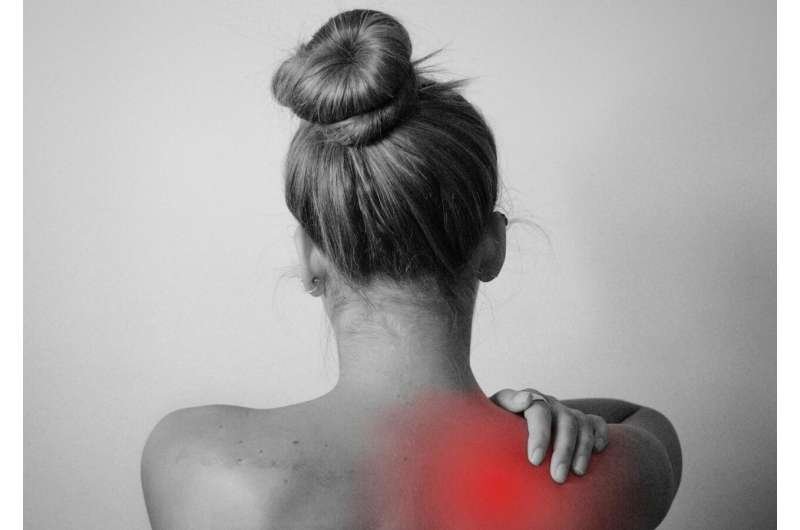
Wear and tear, injury, certain medical conditions, and age can take a toll on shoulder function. Oftentimes, surgery can be avoided, with many people responding well to nonoperative treatments, such as physical therapy or injections, to decrease their pain and improve the use of their shoulder. Sometimes, surgery to repair the torn tendons may be necessary.
But other times, the condition of the shoulder has advanced beyond those options. In the past, this may have resulted in chronic pain and debility. Now, there are new treatments designed especially for more advanced shoulder issues.
Inserting a balloon or patch for stabilization
When a rotator cuff tear is so severe that it can’t be repaired, an orthopedic surgeon may use a subacromial balloon spacer. This small device is inserted into the space where the damaged rotator cuff lies using minimally invasive arthroscopic surgical techniques. Once in place, the device is inflated with saline to cushion and stabilize the joint. The balloon typically dissolves within six to 12 months.
Alternatively, a surgeon may implant a special donated tissue graft to cover or “patch” the top of the ball part of the shoulder joint. This procedure, called tuberoplasty, acts similarly to the balloon to provide a cushion in place of the rotator cuff.
After surgery, a physical therapist will help a patient retrain muscles to move the shoulder using more optimal mechanics. Recovery from these procedures tends to be faster since the tendons don’t need to heal as they would in traditional rotator cuff surgery.
Using 3D printing for shoulder replacement
Reverse shoulder replacement is another surgical option for treating patients with severe arthritis, irreparable rotator cuff tears or other shoulder damage. By using specially designed implants, a surgeon can change the mechanics of the shoulder to allow other muscles to move it.
Since no shoulder is the same, how closely the replacement implant fits the shoulder’s anatomy and how the implant is placed play key roles in the success of a reverse shoulder replacement. The surgeon is able to choose from metal and plastic implants that are available in a few different shapes and a range of sizes. A 3D-printed model of the shoulder can help the orthopedic surgeon precisely place the implant.
The process begins with a CT scan before surgery to create a 3D model of the shoulder on a computer. This allows the surgeon to see how the implant should be placed, how to preserve as much bone as possible and how to identify the best way to secure the implant. A 3D guide is printed that duplicates the template from the computer.
During surgery, the surgeon places the 3D guide on the bone so the implant can be placed precisely as planned.
3D modeling also helps the surgeon determine if a patient needs a customized implant.
Creating a customized implant
In most cases, the surgeon can choose a standard implant that will give the patient the shoulder function they need. But for some patients, their anatomy or bone damage won’t allow a standard implant to fit appropriately. An implant that doesn’t fit well can fail, leading to more surgery.
In these cases, an implant can be created to precisely fit a patient. Using a computer-generated 3D model, the custom implant designed for the patient is printed using the same materials as a standard implant. While this is only used in special cases, it may become the standard in time.
Robotic surgery
While robotics has been used in many other surgeries, including hip and knee replacements, for some time, the use of robotic surgery in the shoulder is just beginning. The technology is new and specialized.
As mentioned before, putting the implants in the right position is important, and the robot helps the surgeon do this exactly as planned. During a shoulder replacement, the surgeon can use a robot to help reshape the socket precisely to get the best placement and position of the implant to help provide the optimal outcome. Although this technology is new, it may become the future of shoulder replacement.
Stem cells and biological treatments
Stem cells and other therapies such as platelet-rich plasma are new and promising treatment options known as regenerative medicine. These are often called orthobiologics as they are made from the patient’s body.
Stem cells are cells that have the potential to heal and transform into more specialized cells such as muscle, tendon or bone cells. They are harvested from tissues in the body such as blood or fat. Platelet-rich plasma takes blood from the arm and separates out the red blood cells, keeping healing and anti-inflammatory factors.
When injected, these therapies try to stimulate the body’s cells to promote a healing response in the tissue. They have shown potential benefit in treating pain from arthritis, helping heal and recover from tendinopathies or muscle strains, and improving healing after surgery.
While both treatments show promise in helping to decrease pain and potentially improve healing, they unfortunately will not regrow cartilage or tendons, and they will not “cure” arthritis.
Though promising, the data are still inconclusive, and further studies are needed to determine the best uses for them. Additionally, since they are considered experimental, they are rarely covered by insurance and can be very costly.
2025 Tribune Content Agency, LLC.
Citation:
New therapies for advanced shoulder issues (2025, December 5)
retrieved 5 December 2025
from https://medicalxpress.com/news/2025-12-therapies-advanced-shoulder-issues.html
This document is subject to copyright. Apart from any fair dealing for the purpose of private study or research, no
part may be reproduced without the written permission. The content is provided for information purposes only.

Khamrah by Lattafa for Men - 3.4 oz EDP Spray
4% Off
Ghost Sweetheart Eau de Toilette | Pineapple, Jasmine and Sandalwood | Perfume for Women 50 ml
50% Off
Marc Jacobs Dot Eau De Parfum for Women, 100 ml
42% Off
Ted Baker W Eau de Toilette for Her, Fig Leaf, White Peony and Violet Top Notes, Pink Orchid and Raspberry Middle Notes, 75ml
£11.77 (£15.69 / 100 ml) (as of 15/10/2026 06:35 GMT +01:00 - More infoProduct prices and availability are accurate as of the date/time indicated and are subject to change. Any price and availability information displayed on [relevant Amazon Site(s), as applicable] at the time of purchase will apply to the purchase of this product.)
Ted Baker Woman Pink Eau de Toilette Spray Floral Green Feminine Fragrance, Opening Notes are Fresh Peach, Bergamot and Tangerine with Warm Musk, Vanilla and Vetiver Base, 100ml
11% Off
Vera Wang Princess Eau de Toilette - 30 ml

Choco Musk 50ml Eau De Parfum for men and women | Chocolate Musk by Jannat Aromas
17% Off
Christina Aguilera Signature Eau de Parfum (50ml) Floral, Fruity & Exotic Scent, Luxury Fragrance for Women
9% Off
Calvin Klein - Eau De Toilette CKIN2U - Calvin Klein Women, Ladies Perfume, Women's Perfume, Calvin Klein Perfume, Calvin Klein One - 150 ml
5% Off
Jimmy Choo Flash Eau de Parfum, 60 ml (Pack of 1)
3% Off
Fruit of the Loom Men's Heavy T Shirt, White, XL UK
28% Off
ATNKE LED Lighted Beanie Cap,USB Rechargeable Running Hat Ultra Bright 4 LED Waterproof Light Winter Warm Gifts for Men and Women/Pink
17% Off
Men's 1/4 Zip Pullover UK Sale Clearance, Fleece Sweatshirt Casual Jumper Long Sleeve T-shirt Top Stand Collar Sweater Plain Pullover Sports Leisure Workwear Quarter Zip Sweater Lightweight Jumpers
£5.88 (as of 12/11/2025 00:52 GMT +01:00 - More infoProduct prices and availability are accurate as of the date/time indicated and are subject to change. Any price and availability information displayed on [relevant Amazon Site(s), as applicable] at the time of purchase will apply to the purchase of this product.)
Crevice Cleaning Brush, Bathroom Tile Groove Gap Cleaning Brush,Premium Crevice Cleaning Tool Aluminum Support with 15° Angle Magic Brush, Thin Brush for Home Kitchen
19% Off
Wireless Earbuds, Bluetooth 5.3 Headphones in Ear with HiFi Stereo Deep Bass, 4 ENC Noise Cancelling Mic Wireless Earphones 40H Playtime, Bluetooth Earbuds Dual LED Display, IP7 Waterproof, USB-C
42% Off