 [
[
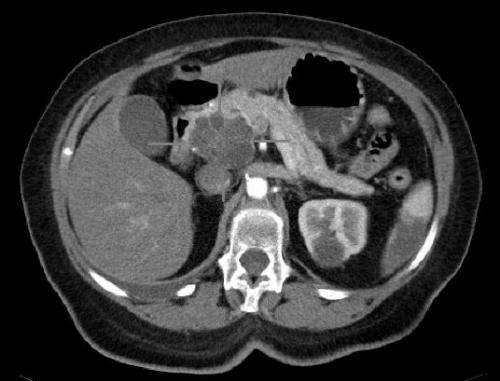
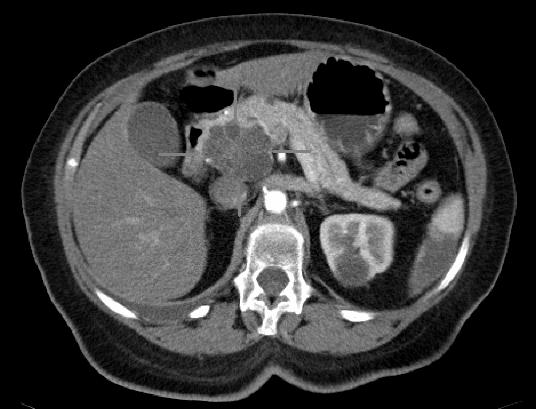
Peter Mac researchers have identified potential new drug targets for pancreatic cancer by uncovering proteins cancer cells rely on to grow and survive.
Pancreatic cancer remains one of the most challenging cancers to treat, with an overall five-year relative survival rate of approximately 13% to 14%. Survival depends heavily on how early the cancer is found and whether it has spread to other parts of the body.
The research, led by co-senior author Dr. Jennifer Devlin and published in Molecular Cancer Therapeutics, focused on a family of proteins known as transcriptional cyclin-dependent kinases, or tCDKs.
“Cancer cells depend on certain genes being constantly active to support their growth and survival,” Devlin said.
“We wanted to understand whether disrupting the machinery that allows pancreatic cancer cells to keep these genes switched on could expose a weakness that could potentially be targeted with new treatments.”
The researchers tested a range of drugs designed to block different tCDKs in pancreatic ductal adenocarcinoma cells, the most common form of pancreatic cancer.
They found that targeting several of these proteins stopped the cancer cells from growing and multiplying. In particular, pancreatic cancer cells were highly sensitive to drugs targeting four proteins known as CDK9, CDK11, CDK12 and CDK13.
“These proteins help control crucial stages of the process that allows genetic instructions to be copied into RNA, which cells then use to carry out their functions,” Devlin said.
“When we blocked these stages, we saw a strong impact on the ability of pancreatic cancer cells to produce new RNA and to continue multiplying.
“This gives us a clearer picture of which parts of this gene-control machinery pancreatic cancer cells are particularly dependent on, and where there may be opportunities for future treatments.”
“Our findings point to CDK9, CDK11, CDK12 and CDK13 as particularly interesting vulnerabilities in pancreatic cancer cells and provide a foundation for further research into how these targets might ultimately be used therapeutically.”
Publication details
Yvonne T. Daniel et al, Sensitivity of pancreatic adenocarcinoma cells to blockade of post-initiation CDK-dependent Pol II transcription cycle checkpoints, Molecular Cancer Therapeutics (2026). DOI: 10.1158/1535-7163.mct-25-1529
Journal information:
Molecular Cancer Therapeutics
Key medical concepts
Clinical categories


Citation:
New drug targets offer potential pathway for pancreatic cancer treatment (2026, August 24)
retrieved 24 August 2026
from https://medicalxpress.com/news/2026-08-drug-potential-pathway-pancreatic-cancer.html
This document is subject to copyright. Apart from any fair dealing for the purpose of private study or research, no
part may be reproduced without the written permission. The content is provided for information purposes only.

Khamrah by Lattafa for Men - 3.4 oz EDP Spray
4% Off
Ghost Sweetheart Eau de Toilette | Pineapple, Jasmine and Sandalwood | Perfume for Women 50 ml
50% Off
Marc Jacobs Dot Eau De Parfum for Women, 100 ml
42% Off
Ted Baker W Eau de Toilette for Her, Fig Leaf, White Peony and Violet Top Notes, Pink Orchid and Raspberry Middle Notes, 75ml
£11.77 (£15.69 / 100 ml) (as of 30/08/2026 04:43 GMT +01:00 - More infoProduct prices and availability are accurate as of the date/time indicated and are subject to change. Any price and availability information displayed on [relevant Amazon Site(s), as applicable] at the time of purchase will apply to the purchase of this product.)
Ted Baker Woman Pink Eau de Toilette Spray Floral Green Feminine Fragrance, Opening Notes are Fresh Peach, Bergamot and Tangerine with Warm Musk, Vanilla and Vetiver Base, 100ml
11% Off
Vera Wang Princess Eau de Toilette - 30 ml

Choco Musk 50ml Eau De Parfum for men and women | Chocolate Musk by Jannat Aromas
17% Off
Christina Aguilera Signature Eau de Parfum (50ml) Floral, Fruity & Exotic Scent, Luxury Fragrance for Women
9% Off
Calvin Klein - Eau De Toilette CKIN2U - Calvin Klein Women, Ladies Perfume, Women's Perfume, Calvin Klein Perfume, Calvin Klein One - 150 ml
5% Off
Jimmy Choo Flash Eau de Parfum, 60 ml (Pack of 1)
3% Off
Fruit of the Loom Men's Heavy T Shirt, White, XL UK
28% Off
ATNKE LED Lighted Beanie Cap,USB Rechargeable Running Hat Ultra Bright 4 LED Waterproof Light Winter Warm Gifts for Men and Women/Pink
17% Off
Men's 1/4 Zip Pullover UK Sale Clearance, Fleece Sweatshirt Casual Jumper Long Sleeve T-shirt Top Stand Collar Sweater Plain Pullover Sports Leisure Workwear Quarter Zip Sweater Lightweight Jumpers
£5.88 (as of 12/11/2025 00:52 GMT +01:00 - More infoProduct prices and availability are accurate as of the date/time indicated and are subject to change. Any price and availability information displayed on [relevant Amazon Site(s), as applicable] at the time of purchase will apply to the purchase of this product.)
Crevice Cleaning Brush, Bathroom Tile Groove Gap Cleaning Brush,Premium Crevice Cleaning Tool Aluminum Support with 15° Angle Magic Brush, Thin Brush for Home Kitchen
19% Off
Wireless Earbuds, Bluetooth 5.3 Headphones in Ear with HiFi Stereo Deep Bass, 4 ENC Noise Cancelling Mic Wireless Earphones 40H Playtime, Bluetooth Earbuds Dual LED Display, IP7 Waterproof, USB-C
42% Off