[
[
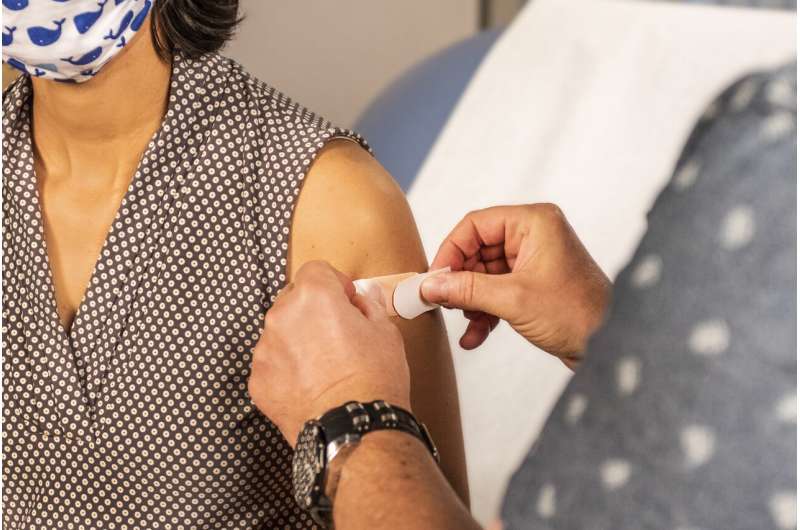
Respiratory syncytial virus (RSV) is a common virus that can cause severe respiratory illness in infants and young children, including lower respiratory tract infections (LRTIs) such as bronchiolitis and pneumonia. It is a leading cause of infant hospitalization worldwide, with early-life infection linked to potential longer-term effects including recurrent wheeze or asthma, repeat hospital admissions and impaired lung health.
In England, a national maternal RSV vaccination program was introduced on 1 September 2024, offering the Bivalent Prefusion F vaccine to pregnant women from 28 weeks’ gestation.
To evaluate its impact on infant hospitalizations due to RSV-associated LRTI, researchers from the UK Health Security Agency (UKHSA) conducted a retrospective cohort study using linked national datasets, including NHS maternity records, immunization data and hospital and laboratory data.
The analysis included 289,399 infants born between 2 September 2024 and 24 March 2025, representing around 90% of births in England during this period.
Across the study population, 4,594 RSV-associated hospitalizations were recorded. Although infants born to unvaccinated mothers made up 55% of the total cohort, they accounted for 87.2% of hospitalizations.
In contrast, infants whose mothers were vaccinated at least 14 days before birth had a markedly lower risk of hospitalization, with vaccine effectiveness estimated at 81.3%, relative to the unvaccinated group.
Lead author and UKHSA epidemiologist Matt Wilson commented, “As the largest study to date examining the impact of this vaccine on infant hospitalization, these findings provide robust evidence that vaccination offers substantial protection against severe illness in young infants.
“We found a clear relationship between timing and protection, with effectiveness increasing as the interval between vaccination and birth lengthens, reaching close to 85% when vaccination occurs at least four weeks before delivery.”
He continued, “While at least two weeks are typically needed for optimal protection, infants born 10 to 13 days after vaccination had around 50% fewer hospital admissions compared with those whose mothers were unvaccinated, whereas no reduction was seen when vaccination occurred less than 10 days before birth.
“This reinforces the importance of vaccinating as early as possible within the recommended window, while also showing that even when given later in pregnancy, some protection is still possible from around 10 days before birth, although earlier vaccination remains preferable.”
The study also investigated outcomes in preterm infants. Vaccine effectiveness was estimated at 69.4% in preterm infants, when allowing at least 14 days between vaccination and birth.
“These findings are particularly important for preterm infants, who are among the most vulnerable to severe RSV infection,” added Wilson. “With sufficient time between vaccination and birth, we saw good levels of protection in these babies. Giving the vaccination early in the third trimester, as recommended by the World Health Organization, could protect most preterm infants.”
Looking ahead, Wilson said that further work is needed to assess the impact of the maternal RSV vaccination program on infant hospitalizations at a population level and to better understand how protection changes later in infancy. He added that UKHSA will be looking at maternal vaccination and monoclonal antibody immunization effectiveness in very preterm infants, for whom both are recommended.
He also emphasized the potential for wider global impact, explaining, “While survival from RSV bronchiolitis is high in high-income countries, it remains a major cause of infant mortality in low- and middle-income countries. These findings underscore the potential benefits of a wider rollout of maternal RSV vaccination globally in line with the World Health Organization’s recommendations.”
More information
Wilson, M., et al. Maternal RSV vaccination and reduced risk of hospitalisation for babies in England – 2024/45. Oral presentation. ESCMID Global 2026.
Key medical concepts
Respiratory Syncytial VirusesLower Respiratory Tract Infection
Provided by
European Society of Clinical Microbiology and Infectious Diseases
Citation:
Maternal RSV vaccination cuts infant hospitalization risk by over 80%, major study finds (2026, April 17)
retrieved 17 April 2026
from https://medicalxpress.com/news/2026-04-maternal-rsv-vaccination-infant-hospitalization.html
This document is subject to copyright. Apart from any fair dealing for the purpose of private study or research, no
part may be reproduced without the written permission. The content is provided for information purposes only.

Khamrah by Lattafa for Men - 3.4 oz EDP Spray
4% Off
Ghost Sweetheart Eau de Toilette | Pineapple, Jasmine and Sandalwood | Perfume for Women 50 ml
50% Off
Marc Jacobs Dot Eau De Parfum for Women, 100 ml
42% Off
Ted Baker W Eau de Toilette for Her, Fig Leaf, White Peony and Violet Top Notes, Pink Orchid and Raspberry Middle Notes, 75ml
£11.77 (£15.69 / 100 ml) (as of 01/06/2026 03:25 GMT +01:00 - More infoProduct prices and availability are accurate as of the date/time indicated and are subject to change. Any price and availability information displayed on [relevant Amazon Site(s), as applicable] at the time of purchase will apply to the purchase of this product.)
Ted Baker Woman Pink Eau de Toilette Spray Floral Green Feminine Fragrance, Opening Notes are Fresh Peach, Bergamot and Tangerine with Warm Musk, Vanilla and Vetiver Base, 100ml
11% Off
Vera Wang Princess Eau de Toilette - 30 ml

Choco Musk 50ml Eau De Parfum for men and women | Chocolate Musk by Jannat Aromas
17% Off
Christina Aguilera Signature Eau de Parfum (50ml) Floral, Fruity & Exotic Scent, Luxury Fragrance for Women
9% Off
Calvin Klein - Eau De Toilette CKIN2U - Calvin Klein Women, Ladies Perfume, Women's Perfume, Calvin Klein Perfume, Calvin Klein One - 150 ml
5% Off
Jimmy Choo Flash Eau de Parfum, 60 ml (Pack of 1)
3% Off
Fruit of the Loom Men's Heavy T Shirt, White, XL UK
28% Off
ATNKE LED Lighted Beanie Cap,USB Rechargeable Running Hat Ultra Bright 4 LED Waterproof Light Winter Warm Gifts for Men and Women/Pink
17% Off
Men's 1/4 Zip Pullover UK Sale Clearance, Fleece Sweatshirt Casual Jumper Long Sleeve T-shirt Top Stand Collar Sweater Plain Pullover Sports Leisure Workwear Quarter Zip Sweater Lightweight Jumpers
£5.88 (as of 12/11/2025 00:52 GMT +01:00 - More infoProduct prices and availability are accurate as of the date/time indicated and are subject to change. Any price and availability information displayed on [relevant Amazon Site(s), as applicable] at the time of purchase will apply to the purchase of this product.)
Crevice Cleaning Brush, Bathroom Tile Groove Gap Cleaning Brush,Premium Crevice Cleaning Tool Aluminum Support with 15° Angle Magic Brush, Thin Brush for Home Kitchen
19% Off
Wireless Earbuds, Bluetooth 5.3 Headphones in Ear with HiFi Stereo Deep Bass, 4 ENC Noise Cancelling Mic Wireless Earphones 40H Playtime, Bluetooth Earbuds Dual LED Display, IP7 Waterproof, USB-C
42% Off