
 [
[

For millions of children suffering from severe malnutrition, an effective treatment already exists. The problem is that many of them never receive it.
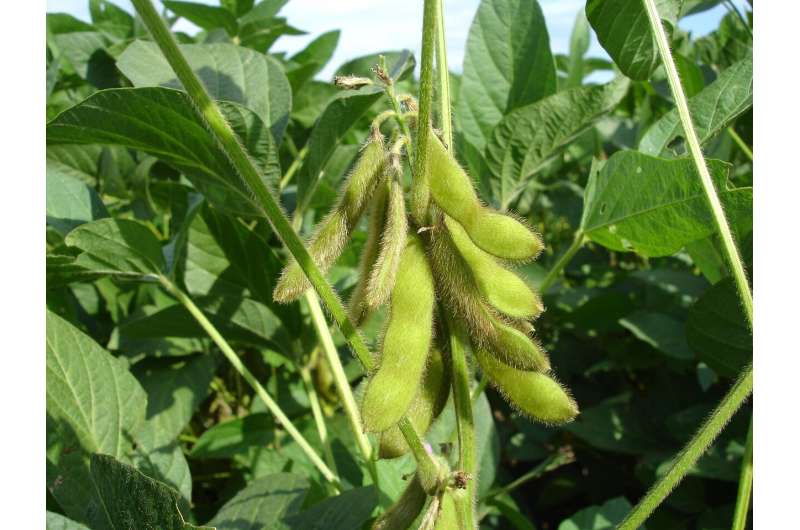
A new study led by Dr. Aurélie Bechoff, a visiting researcher at the Hebrew University of Jerusalem, and Hebrew University professors Efrat Monsonego-Ornan and Ram Reifen, together with an international research team, suggests that part of the solution may lie in producing therapeutic food closer to where it is needed, using crops that are already grown locally. The study, published in Current Developments in Nutrition, examined a high-protein therapeutic food made from chickpeas, sorghum, corn and soybeans, ingredients widely available in sub-Saharan Africa.
Ready-to-use therapeutic foods, known as RUTFs, are a standard treatment for children with severe acute malnutrition. Yet according to the study, current treatment reaches only around 30% of children who need it. One of the major challenges is that conventional formulations often depend on ingredients produced in wealthier countries, including relatively expensive powdered milk, creating both cost and supply barriers in lower-income countries.
Those barriers are becoming increasingly urgent as conflict, climate change and cuts to global humanitarian funding place additional pressure on food and nutrition programs. The researchers argue that developing effective therapeutic foods from locally available ingredients could help make treatment less dependent on international supply chains and more affordable to produce in the regions where it is most needed.

The formulation tested in the study, known as ChSMS, replaces milk and peanuts with a combination of chickpeas, sorghum, corn and soybeans. In the preclinical study, it supported substantially better recovery from malnutrition than the commercial peanut-and-milk formulation tested, including catch-up growth.
The researchers found that the plant-based formulation contained more protein and had a higher protein quality score than the commercial product. ChSMS provided around 14% of its energy from protein, compared with 10% in the commercial formulation, while its protein quality score reached 87%, compared with 69%.
But for the researchers, the significance of the formulation goes beyond its nutritional composition.
“Access is one of the biggest challenges in treating childhood malnutrition,” said Monsonego-Ornan of the Hebrew University of Jerusalem. “If therapeutic foods can be produced from high-quality ingredients that are already grown locally, we may be able to reduce dependence on costly imports and make treatment available to many more children. The nutritional quality has to remain the priority, but affordability and local production are essential if we want effective solutions to reach the populations that need them most.”
International guidelines have also begun to make such approaches more feasible. Earlier requirements called for at least half of the protein in therapeutic foods to come from dairy products, but newer guidelines have removed that requirement, opening the door to locally sourced, nondairy formulations that meet nutritional standards.
That shift could have broader economic consequences as well. Because the new formulation is dairy-free, the researchers say it could eliminate the need for expensive imported powdered milk in its production. Using crops such as soybeans, chickpeas, sorghum and corn could instead support local food manufacturers, agricultural supply chains and smallholder farmers in sub-Saharan Africa.
The approach could therefore address several challenges at once: lowering dependence on imported ingredients, reducing production costs, strengthening local economies and potentially making lifesaving nutritional treatment available to more children.
The researchers also see potential for locally produced therapeutic foods to play a broader role in addressing different forms of malnutrition. The study found signs of recovery in linear growth as well as weight, raising the possibility that future formulations could address both acute malnutrition and longer-term stunting. A product capable of targeting both conditions could provide a more efficient and cost-effective approach to a major global health challenge.
The findings are preclinical and will need to be confirmed in clinical studies before conclusions can be drawn about the formulation’s effectiveness in children. However, the researchers say the results provide an important foundation for developing therapeutic foods that combine strong nutritional quality with affordability, local availability and long-term sustainability.
The study involved researchers from the Hebrew University of Jerusalem, the University of Greenwich, the University of Kent, Benue State University, the University of Nottingham and partner organizations in Kenya and Ireland.
More information
Aurélie Bechoff et al, Local High-Protein, Plant-Based Ready-to-Use Therapeutic Food Enhances Recovery from Malnutrition in Rats, Current Developments in Nutrition (2026). DOI: 10.1016/j.cdnut.2026.109437
Who’s behind this story?

Citation:
Locally grown crops could expand access to childhood malnutrition treatment (2026, October 6)
retrieved 6 October 2026
from https://medicalxpress.com/news/2026-10-locally-grown-crops-access-childhood.html
This document is subject to copyright. Apart from any fair dealing for the purpose of private study or research, no
part may be reproduced without the written permission. The content is provided for information purposes only.

Khamrah by Lattafa for Men - 3.4 oz EDP Spray
4% Off
Ghost Sweetheart Eau de Toilette | Pineapple, Jasmine and Sandalwood | Perfume for Women 50 ml
50% Off
Marc Jacobs Dot Eau De Parfum for Women, 100 ml
42% Off
Ted Baker W Eau de Toilette for Her, Fig Leaf, White Peony and Violet Top Notes, Pink Orchid and Raspberry Middle Notes, 75ml
£11.77 (£15.69 / 100 ml) (as of 07/10/2026 06:26 GMT +01:00 - More infoProduct prices and availability are accurate as of the date/time indicated and are subject to change. Any price and availability information displayed on [relevant Amazon Site(s), as applicable] at the time of purchase will apply to the purchase of this product.)
Ted Baker Woman Pink Eau de Toilette Spray Floral Green Feminine Fragrance, Opening Notes are Fresh Peach, Bergamot and Tangerine with Warm Musk, Vanilla and Vetiver Base, 100ml
11% Off
Vera Wang Princess Eau de Toilette - 30 ml

Choco Musk 50ml Eau De Parfum for men and women | Chocolate Musk by Jannat Aromas
17% Off
Christina Aguilera Signature Eau de Parfum (50ml) Floral, Fruity & Exotic Scent, Luxury Fragrance for Women
9% Off
Calvin Klein - Eau De Toilette CKIN2U - Calvin Klein Women, Ladies Perfume, Women's Perfume, Calvin Klein Perfume, Calvin Klein One - 150 ml
5% Off
Jimmy Choo Flash Eau de Parfum, 60 ml (Pack of 1)
3% Off
Fruit of the Loom Men's Heavy T Shirt, White, XL UK
28% Off
ATNKE LED Lighted Beanie Cap,USB Rechargeable Running Hat Ultra Bright 4 LED Waterproof Light Winter Warm Gifts for Men and Women/Pink

Men's 1/4 Zip Pullover UK Sale Clearance, Fleece Sweatshirt Casual Jumper Long Sleeve T-shirt Top Stand Collar Sweater Plain Pullover Sports Leisure Workwear Quarter Zip Sweater Lightweight Jumpers
£5.88 (as of 12/11/2025 00:52 GMT +01:00 - More infoProduct prices and availability are accurate as of the date/time indicated and are subject to change. Any price and availability information displayed on [relevant Amazon Site(s), as applicable] at the time of purchase will apply to the purchase of this product.)
Crevice Cleaning Brush, Bathroom Tile Groove Gap Cleaning Brush,Premium Crevice Cleaning Tool Aluminum Support with 15° Angle Magic Brush, Thin Brush for Home Kitchen
19% Off
Wireless Earbuds, Bluetooth 5.3 Headphones in Ear with HiFi Stereo Deep Bass, 4 ENC Noise Cancelling Mic Wireless Earphones 40H Playtime, Bluetooth Earbuds Dual LED Display, IP7 Waterproof, USB-C
42% Off