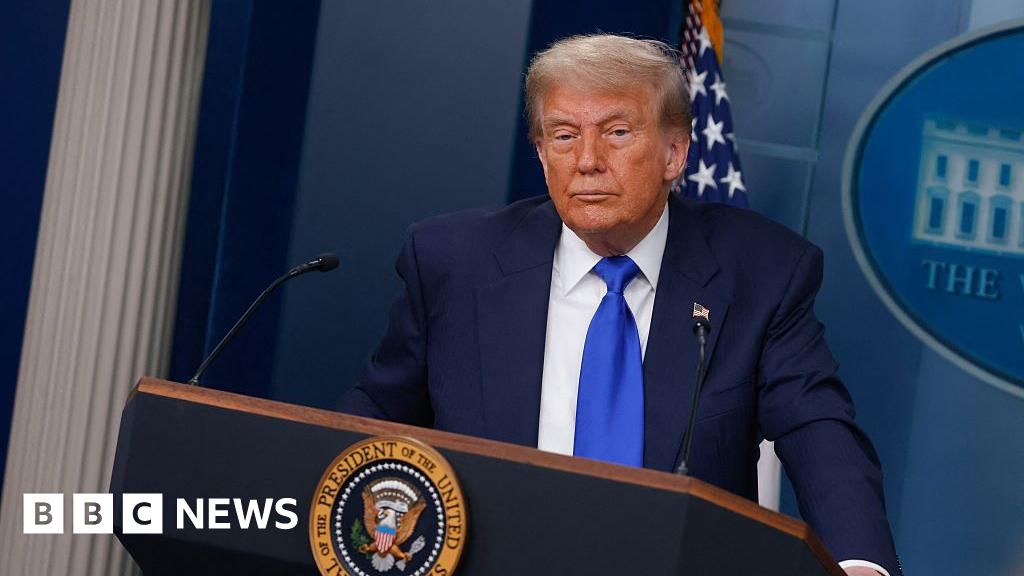
A US judge has once again blocked President Donald Trump from implementing an executive order ending birth right citizenship for some US residents as a legal challenge moves forward.
A New Hampshire judge approved a class action lawsuit against Trump’s executive order, and temporarily stopped the president’s order from taking effect.
The class action lawsuit was brought by the American Civil Liberties Union on behalf of immigrant parents and their infants.
The decision comes weeks after the Supreme Court introduced limits on how and when universal injunctions are issued by federal courts. However, the decision still allows them through certain legal avenues.
The class action suit was introduced after the Supreme Court decision, in keeping with the new standards set by the court.
Still, the White House challenged the validity of the judge’s ruling.
“Today’s decision is an obvious and unlawful attempt to circumvent the Supreme Court’s clear order against universal relief. This judge’s decision disregards the rule of law by abusing class action certification procedures,” spokesman Harrison Fields said in a statement Thursday. “The Trump Administration will be fighting vigorously against the attempts of these rogue district court judges to impede the policies President Trump was elected to implement.”
The US Constitution guarantees citizenship to all born on US soil, but Trump has sought to revoke that right for babies born to undocumented immigrants and foreign visitors, as part of his crackdown on immigration.
The class-action lawsuit seeks to challenge the order as harmful and unconstitutional, and the judge ruled that it can proceed on behalf of the babies who would be affected by the restrictions.
The ruling also once again pauses an order that was a priority for Trump. The judge has given the government seven days to appeal.
Restricting birthright citizenship was one of his first actions in office.
Multiple courts across the US issued nationwide injunctions as they considered legal challenges to the order.
The Trump administration appealed those temporary holds to the highest US court, arguing judges did not have the authority to block a presidential order nationally while the courts considered the cases.
The Supreme Court’s conservative majority sided with Trump in a 6-3 ruling that broadly curtailed judicial power, though the justices did not address the constitutionality of Trump’s birthright citizenship order.
Following the Supreme Court’s decision, Trump’s order had been set to take effect on 27 July.
BBC News

Khamrah by Lattafa for Men - 3.4 oz EDP Spray
4% Off
Ghost Sweetheart Eau de Toilette | Pineapple, Jasmine and Sandalwood | Perfume for Women 50 ml
50% Off
Marc Jacobs Dot Eau De Parfum for Women, 100 ml
42% Off
Ted Baker W Eau de Toilette for Her, Fig Leaf, White Peony and Violet Top Notes, Pink Orchid and Raspberry Middle Notes, 75ml
£11.77 (£15.69 / 100 ml) (as of 18/07/2026 03:59 GMT +01:00 - More infoProduct prices and availability are accurate as of the date/time indicated and are subject to change. Any price and availability information displayed on [relevant Amazon Site(s), as applicable] at the time of purchase will apply to the purchase of this product.)
Ted Baker Woman Pink Eau de Toilette Spray Floral Green Feminine Fragrance, Opening Notes are Fresh Peach, Bergamot and Tangerine with Warm Musk, Vanilla and Vetiver Base, 100ml
11% Off
Vera Wang Princess Eau de Toilette - 30 ml

Choco Musk 50ml Eau De Parfum for men and women | Chocolate Musk by Jannat Aromas
17% Off
Christina Aguilera Signature Eau de Parfum (50ml) Floral, Fruity & Exotic Scent, Luxury Fragrance for Women
9% Off
Calvin Klein - Eau De Toilette CKIN2U - Calvin Klein Women, Ladies Perfume, Women's Perfume, Calvin Klein Perfume, Calvin Klein One - 150 ml
5% Off
Jimmy Choo Flash Eau de Parfum, 60 ml (Pack of 1)
3% Off
Fruit of the Loom Men's Heavy T Shirt, White, XL UK
28% Off
ATNKE LED Lighted Beanie Cap,USB Rechargeable Running Hat Ultra Bright 4 LED Waterproof Light Winter Warm Gifts for Men and Women/Pink
17% Off
Men's 1/4 Zip Pullover UK Sale Clearance, Fleece Sweatshirt Casual Jumper Long Sleeve T-shirt Top Stand Collar Sweater Plain Pullover Sports Leisure Workwear Quarter Zip Sweater Lightweight Jumpers
£5.88 (as of 12/11/2025 00:52 GMT +01:00 - More infoProduct prices and availability are accurate as of the date/time indicated and are subject to change. Any price and availability information displayed on [relevant Amazon Site(s), as applicable] at the time of purchase will apply to the purchase of this product.)
Crevice Cleaning Brush, Bathroom Tile Groove Gap Cleaning Brush,Premium Crevice Cleaning Tool Aluminum Support with 15° Angle Magic Brush, Thin Brush for Home Kitchen
19% Off
Wireless Earbuds, Bluetooth 5.3 Headphones in Ear with HiFi Stereo Deep Bass, 4 ENC Noise Cancelling Mic Wireless Earphones 40H Playtime, Bluetooth Earbuds Dual LED Display, IP7 Waterproof, USB-C
42% Off