
 [

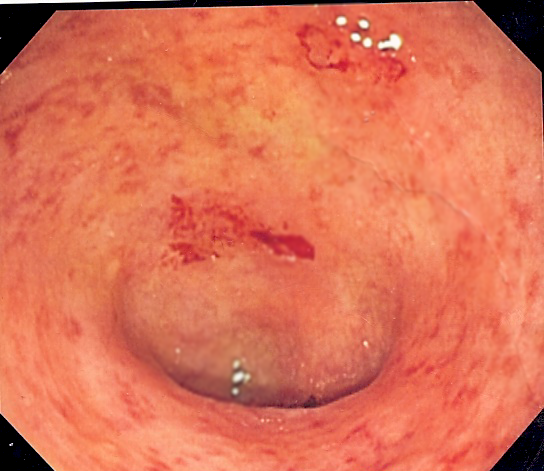
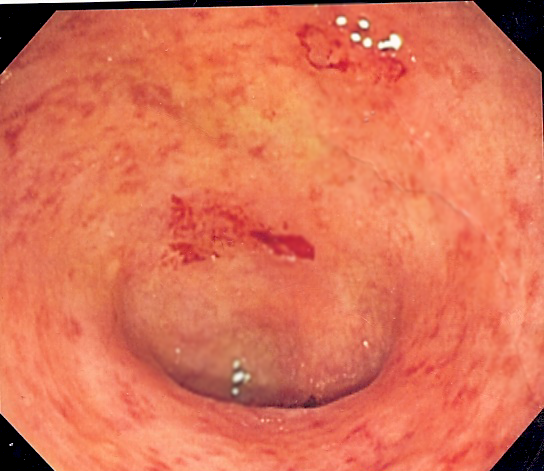
A large-scale study, presented at UEG Week 2026, has identified distinct antibody patterns up to 10 years before the diagnosis of inflammatory bowel disease (IBD), potentially opening new avenues for earlier risk detection and providing insights into future disease course.
IBD is a group of chronic conditions, including Crohn’s disease (CD) and ulcerative colitis (UC), in which abnormal immune responses contribute to ongoing inflammation and damage in the digestive system. Although IBD is increasingly recognized to develop over a prolonged period before diagnosis, relatively little is known about the immune changes that occur during this time.
To investigate these changes, researchers analyzed 2,000 serum samples from 500 individuals, including 200 who developed CD, 200 who developed UC and 100 age- and sex-matched healthy controls. Samples were collected at diagnosis and approximately two, four and 10 years beforehand.
The researchers profiled antibody responses against around 357,000 microbial-, viral-, food- and immune-associated antigens, allowing them to examine antibody patterns in the years leading up to diagnosis.
Antibody changes emerge a decade early
Across the 2,000 samples, researchers identified 123,980 unique antibodies. Compared with healthy controls, antibody diversity was significantly lower in people who later developed CD or UC, with distinct antibody responses evident in both conditions up to 10 years before diagnosis.
In CD, elevated responses against herpesviruses and anti-flagellin antibodies were observed, particularly in people who later developed complicated or ileal disease, while responses to encapsulated bacteria progressively declined toward diagnosis.
In UC, rising antibody responses against herpesviruses and autoantigens were accompanied by reduced reactivity to encapsulated pathogens.
Models distinguish future disease and complications
When these early antibody signatures were integrated using machine-learning models, they discriminated people who would later develop CD or UC from healthy controls up to 10 years before diagnosis, with area under the curve (AUC) values of 0.90 and 0.84, respectively.
The profiles also differentiated people who later developed complicated from noncomplicated CD up to approximately 10 years before diagnosis, with an AUC of 0.85.
Commenting on the findings, lead author Dr. Arno Bourgonje said, “It is fascinating to see that complicated CD at diagnosis is associated with a distinct antibody profile years before the first clinical symptoms and is not simply the consequence of disease progression after diagnosis.
“Finding these patterns so early points to the potential of antibody profiling to support earlier risk detection, distinguish between disease subtypes and help identify patients who may benefit from more intensive therapy as early as possible.”
Validation needed before clinical screening
The authors note that while the findings provide an important proof of principle, further research is needed before they can be translated into a clinical screening test.
“The next priority is to validate these signatures in independent, more diverse and prospectively followed populations,” concluded Bourgonje.
“We also need to determine their added value alongside genetic, clinical and other blood-based markers, translate the findings into a reproducible and affordable targeted assay and, ultimately, demonstrate that using such a test actually leads to better clinical outcomes.”
More information
Bourgonje, A.R. et al. Deciphering the prodrome of inflammatory bowel disease up to 10 years before disease onset by massively parallel serology.
Key medical concepts
Provided by
United European Gastroenterology


Citation:
Immune changes could signal inflammatory bowel disease up to 10 years before diagnosis (2026, October 18)
retrieved 18 October 2026
from https://medicalxpress.com/news/2026-10-immune-inflammatory-bowel-disease-years.html
This document is subject to copyright. Apart from any fair dealing for the purpose of private study or research, no
part may be reproduced without the written permission. The content is provided for information purposes only.

Khamrah by Lattafa for Men - 3.4 oz EDP Spray
4% Off
Ghost Sweetheart Eau de Toilette | Pineapple, Jasmine and Sandalwood | Perfume for Women 50 ml
50% Off
Marc Jacobs Dot Eau De Parfum for Women, 100 ml
42% Off
Ted Baker W Eau de Toilette for Her, Fig Leaf, White Peony and Violet Top Notes, Pink Orchid and Raspberry Middle Notes, 75ml
£11.77 (£15.69 / 100 ml) (as of 19/10/2026 06:36 GMT +01:00 - More infoProduct prices and availability are accurate as of the date/time indicated and are subject to change. Any price and availability information displayed on [relevant Amazon Site(s), as applicable] at the time of purchase will apply to the purchase of this product.)
Ted Baker Woman Pink Eau de Toilette Spray Floral Green Feminine Fragrance, Opening Notes are Fresh Peach, Bergamot and Tangerine with Warm Musk, Vanilla and Vetiver Base, 100ml
11% Off
Vera Wang Princess Eau de Toilette - 30 ml
Choco Musk 50ml Eau De Parfum for men and women | Chocolate Musk by Jannat Aromas
17% Off
Christina Aguilera Signature Eau de Parfum (50ml) Floral, Fruity & Exotic Scent, Luxury Fragrance for Women
9% Off
Calvin Klein - Eau De Toilette CKIN2U - Calvin Klein Women, Ladies Perfume, Women's Perfume, Calvin Klein Perfume, Calvin Klein One - 150 ml
5% Off
Jimmy Choo Flash Eau de Parfum, 60 ml (Pack of 1)
3% Off
Fruit of the Loom Men's Heavy T Shirt, White, XL UK
28% Off
ATNKE LED Lighted Beanie Cap,USB Rechargeable Running Hat Ultra Bright 4 LED Waterproof Light Winter Warm Gifts for Men and Women/Pink
17% Off
Men's 1/4 Zip Pullover UK Sale Clearance, Fleece Sweatshirt Casual Jumper Long Sleeve T-shirt Top Stand Collar Sweater Plain Pullover Sports Leisure Workwear Quarter Zip Sweater Lightweight Jumpers
£5.88 (as of 12/11/2025 00:52 GMT +01:00 - More infoProduct prices and availability are accurate as of the date/time indicated and are subject to change. Any price and availability information displayed on [relevant Amazon Site(s), as applicable] at the time of purchase will apply to the purchase of this product.)
Crevice Cleaning Brush, Bathroom Tile Groove Gap Cleaning Brush,Premium Crevice Cleaning Tool Aluminum Support with 15° Angle Magic Brush, Thin Brush for Home Kitchen
19% Off
Wireless Earbuds, Bluetooth 5.3 Headphones in Ear with HiFi Stereo Deep Bass, 4 ENC Noise Cancelling Mic Wireless Earphones 40H Playtime, Bluetooth Earbuds Dual LED Display, IP7 Waterproof, USB-C
42% Off