
Honestly, for me it’s one of the most rewarding things I’ve probably ever done. You find so much more out about yourself that you probably never knew.
Who are you and what is your job role?
Louise Thompson, women’s referee pathway officer for the Irish Football Association, international FIFA referee, and PremierLeague referee in Northern Ireland.
What does a women’s referee pathway officer do?
Looking after female referees within Northern Ireland, trying to recruit, retain and give them experience within their games to pushthrough into top level refereeing.
What kind of training do you give to aspiring referees?
So from going through recruitment courses first of all, and then we do the beginners course with referees, just giving them all of the Laws of the Game knowledge, then we will also do a practical part of that course where they go onto the pitch and we’ll go through scenarios, positioning, things around free kick management for example, other set pieces likecorners, penalty setup, what you do as a referee day to day, even pre match stuff as well, so when you arrive at the grounds, how you check the pitch, check all the equipment is there, how you would interact with players, coaches and then just again, maybe createlike a role play sort of environment so that they know that they’re not going totally blind into that sort of situation.
Have you always been passionate about football?
Football was a passion of mine, even when I was younger, primary school age, we just didn’t have very many female teams, so it normally meant playing with the boys and the boys teams and stuff up until I was about 14, which was the minimum age here you can join senior ladies football team, which is what I did, and played there for 14 years at a club here locally, including up until the Women’s Premiership, so it was great to be involved in football, but I always loved watching football, playing football, anything to do with football, I was always there and interested.
How did you go from playing football to being a referee?
Becoming a referee for me sort of happened by chance to be honest. It was during a game, one time I got an injury, quite a bad injury to my knee and then I had seen luckily that the referee course was being advertised. So I signed up for it, but I also signed up for a coaching course pretty much at the same time, maybe about six weeks apart. I wasn’t really sure which role I wanted to follow, but over that winter I had been pushed into refereeing a wee bit and said sure, why not, I’ll give it a go, it’d be a bit of extra fitness before my season restarts, and then just fell in love with it from there and never looked back.
What subjects did you study at school and university?
Coming through school I always picked PE, so I did my GCSE PE and then I also did A-level PE and then when I went onto university,I had the sport and exercise science as well within that, so I think it gives you a good understanding of obviously how your body works, and your plan and training, stuff like that as well so you know when you’re working nutrition wise, things that you need to know,especially as you reach the top level, just to make sure that you’re getting the most out of your body.
What are your top tips for becoming a referee?
I would say definitely give it a try for sure. You never know until you do it. I think even when I was a player, I probably never imaginedthat I would be a referee and that I would even achieve and have experienced what I’ve been able to experience. So you never knowuntil you give it a go, but it’s also about probably pushing yourself out of your comfort zone, being comfortable with being uncomfortable in situations like that. It’s maybe not always as bad as it probably seems it’s going to be. There’s probably a lot more stigma around being a referee – who wants to be a referee? – but honestly for me, it’s one of the most rewarding things I’ve probably ever done.
Source link

Khamrah by Lattafa for Men - 3.4 oz EDP Spray
4% Off
Ghost Sweetheart Eau de Toilette | Pineapple, Jasmine and Sandalwood | Perfume for Women 50 ml
50% Off
Marc Jacobs Dot Eau De Parfum for Women, 100 ml
42% Off
Ted Baker W Eau de Toilette for Her, Fig Leaf, White Peony and Violet Top Notes, Pink Orchid and Raspberry Middle Notes, 75ml
£11.77 (£15.69 / 100 ml) (as of 06/11/2026 05:40 GMT +00:00 - More infoProduct prices and availability are accurate as of the date/time indicated and are subject to change. Any price and availability information displayed on [relevant Amazon Site(s), as applicable] at the time of purchase will apply to the purchase of this product.)
Ted Baker Woman Pink Eau de Toilette Spray Floral Green Feminine Fragrance, Opening Notes are Fresh Peach, Bergamot and Tangerine with Warm Musk, Vanilla and Vetiver Base, 100ml
11% Off
Vera Wang Princess Eau de Toilette - 30 ml
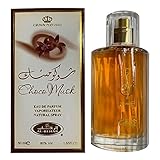
Choco Musk 50ml Eau De Parfum for men and women | Chocolate Musk by Jannat Aromas
17% Off
Christina Aguilera Signature Eau de Parfum (50ml) Floral, Fruity & Exotic Scent, Luxury Fragrance for Women
9% Off
Calvin Klein - Eau De Toilette CKIN2U - Calvin Klein Women, Ladies Perfume, Women's Perfume, Calvin Klein Perfume, Calvin Klein One - 150 ml
5% Off
Jimmy Choo Flash Eau de Parfum, 60 ml (Pack of 1)
3% Off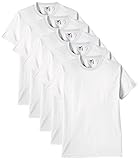
Fruit of the Loom Men's Heavy T Shirt, White, XL UK
28% Off
ATNKE LED Lighted Beanie Cap,USB Rechargeable Running Hat Ultra Bright 4 LED Waterproof Light Winter Warm Gifts for Men and Women/Pink
17% Off
Men's 1/4 Zip Pullover UK Sale Clearance, Fleece Sweatshirt Casual Jumper Long Sleeve T-shirt Top Stand Collar Sweater Plain Pullover Sports Leisure Workwear Quarter Zip Sweater Lightweight Jumpers
£5.88 (as of 11/11/2025 23:52 GMT +00:00 - More infoProduct prices and availability are accurate as of the date/time indicated and are subject to change. Any price and availability information displayed on [relevant Amazon Site(s), as applicable] at the time of purchase will apply to the purchase of this product.)
Crevice Cleaning Brush, Bathroom Tile Groove Gap Cleaning Brush,Premium Crevice Cleaning Tool Aluminum Support with 15° Angle Magic Brush, Thin Brush for Home Kitchen
19% Off
Wireless Earbuds, Bluetooth 5.3 Headphones in Ear with HiFi Stereo Deep Bass, 4 ENC Noise Cancelling Mic Wireless Earphones 40H Playtime, Bluetooth Earbuds Dual LED Display, IP7 Waterproof, USB-C
42% Off