[
[

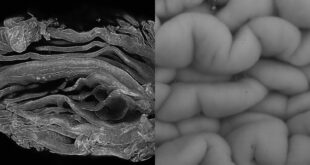
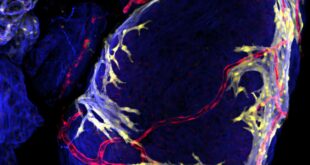
A new preclinical study from the University of Texas MD Anderson Cancer Center has identified a gut bacterium that, when combined with short-term fasting, helps prepare the small intestine to regenerate more effectively after radiation damage.
These findings support a possible new strategy for reducing the harmful side effects of radiation therapy in cancer patients, potentially allowing doctors to deliver safer, more effective treatment. The study, published in Proceedings of the National Academy of Sciences, was co-led by Helen Piwnica-Worms, Ph.D., professor of Experimental Radiation Oncology, and Kunal Rai, Ph.D., professor of Genomic Medicine.
“Fasting helps prepare intestinal cells to respond more quickly and effectively after injury, almost like training the cells with an emergency preparedness plan,” Piwnica-Worms said. “This study helps explain how that plan is organized and identifies a key bacterium involved in coordinating the response.”
Why is radiation damage an issue for cancer patients?
Radiation therapy is a common treatment for abdominal cancers, including pancreatic, colorectal and gynecologic cancers. However, the small intestine is highly sensitive to radiation, and damage to its lining can cause nausea, diarrhea, infection and, in severe cases, life-threatening complications. These side effects often limit how much radiation can be safely delivered.
Earlier preclinical work from the Piwnica-Worms Laboratory demonstrated that fasting before treatment improved intestinal recovery after radiation, but the biological mechanisms behind this effect were not fully understood.
How does fasting prepare the intestine to rebuild itself?
Fasting for 24 hours increased levels of a beneficial bacterium called Akkermansia muciniphila, or AKK, in the small intestine. AKK produces a small molecule called propionate, which works with other metabolic changes triggered by fasting to add small chemical tags to proteins called histones—around which DNA is wrapped—inside intestinal cells. These histone tags change how genes are read without altering the genetic code itself.
The chemical tags act as a kind of advance warning system by unwrapping DNA from histones to allow gene expression in a group of intestinal cells that accumulate during fasting. These cells carry genetic programs associated with regeneration, similar to preloading them with instructions for rapid repair. After radiation treatment, these cells expanded and contributed to regeneration of the intestinal lining.
Importantly, researchers found that the benefits of fasting were lost when AKK was selectively removed, confirming its essential role in the regeneration process. The regenerative response returned only when AKK was reintroduced alongside fasting, suggesting both components are required to produce the response.
The findings suggest that fasting changes the biological state of intestinal cells before treatment, enabling a faster and more effective recovery process once damage occurs. This newly identified pathway connecting diet, gut microbes and tissue regeneration may help explain how the body coordinates recovery after injury and could offer new opportunities to support patients undergoing radiation therapy.
What’s next for this research?
Future research can investigate whether this regenerative pathway could be used to support recovery in other healthy tissues affected by cancer treatment. If the results are consistent, the approach could potentially be tested in clinical trials for patients receiving abdominal radiation.
Researchers also are interested in whether the same strategy might benefit other rapidly dividing tissues, such as bone marrow, from treatment-related damage.
These findings suggest new strategies that may not require patients to fast before treatment, such as microbial therapies or metabolite-based approaches.
“Fasting is not always practical for cancer patients, and this work supports several other potential ways to enhance recovery after treatment,” Rai said. “Whether through dietary interventions, targeted microbes or their metabolites, the goal is to help repair healthy tissue more effectively while patients receive the cancer therapies they need.”
Publication details
Praveen Barrodia et al, Fasting primes small intestinal regeneration after damage via a microbiome–metabolite–chromatin axis, Proceedings of the National Academy of Sciences (2026). DOI: 10.1073/pnas.2529215123
Journal information:
Proceedings of the National Academy of Sciences
Clinical categories
Who’s behind this story?

Sadie Harley

Citation:
Fasting primes gut microbiome to improve intestinal recovery after radiation treatment (2026, July 10)
retrieved 10 July 2026
from https://medicalxpress.com/news/2026-07-fasting-primes-gut-microbiome-intestinal.html
This document is subject to copyright. Apart from any fair dealing for the purpose of private study or research, no
part may be reproduced without the written permission. The content is provided for information purposes only.

Khamrah by Lattafa for Men - 3.4 oz EDP Spray
4% Off
Ghost Sweetheart Eau de Toilette | Pineapple, Jasmine and Sandalwood | Perfume for Women 50 ml
50% Off
Marc Jacobs Dot Eau De Parfum for Women, 100 ml
42% Off
Ted Baker W Eau de Toilette for Her, Fig Leaf, White Peony and Violet Top Notes, Pink Orchid and Raspberry Middle Notes, 75ml
£11.77 (£15.69 / 100 ml) (as of 06/08/2026 04:06 GMT +01:00 - More infoProduct prices and availability are accurate as of the date/time indicated and are subject to change. Any price and availability information displayed on [relevant Amazon Site(s), as applicable] at the time of purchase will apply to the purchase of this product.)
Ted Baker Woman Pink Eau de Toilette Spray Floral Green Feminine Fragrance, Opening Notes are Fresh Peach, Bergamot and Tangerine with Warm Musk, Vanilla and Vetiver Base, 100ml
11% Off
Vera Wang Princess Eau de Toilette - 30 ml

Choco Musk 50ml Eau De Parfum for men and women | Chocolate Musk by Jannat Aromas
17% Off
Christina Aguilera Signature Eau de Parfum (50ml) Floral, Fruity & Exotic Scent, Luxury Fragrance for Women
9% Off
Calvin Klein - Eau De Toilette CKIN2U - Calvin Klein Women, Ladies Perfume, Women's Perfume, Calvin Klein Perfume, Calvin Klein One - 150 ml
5% Off
Jimmy Choo Flash Eau de Parfum, 60 ml (Pack of 1)
3% Off
Fruit of the Loom Men's Heavy T Shirt, White, XL UK
28% Off
ATNKE LED Lighted Beanie Cap,USB Rechargeable Running Hat Ultra Bright 4 LED Waterproof Light Winter Warm Gifts for Men and Women/Pink
17% Off
Men's 1/4 Zip Pullover UK Sale Clearance, Fleece Sweatshirt Casual Jumper Long Sleeve T-shirt Top Stand Collar Sweater Plain Pullover Sports Leisure Workwear Quarter Zip Sweater Lightweight Jumpers
£5.88 (as of 12/11/2025 00:52 GMT +01:00 - More infoProduct prices and availability are accurate as of the date/time indicated and are subject to change. Any price and availability information displayed on [relevant Amazon Site(s), as applicable] at the time of purchase will apply to the purchase of this product.)
Crevice Cleaning Brush, Bathroom Tile Groove Gap Cleaning Brush,Premium Crevice Cleaning Tool Aluminum Support with 15° Angle Magic Brush, Thin Brush for Home Kitchen
19% Off
Wireless Earbuds, Bluetooth 5.3 Headphones in Ear with HiFi Stereo Deep Bass, 4 ENC Noise Cancelling Mic Wireless Earphones 40H Playtime, Bluetooth Earbuds Dual LED Display, IP7 Waterproof, USB-C
42% Off