[
[
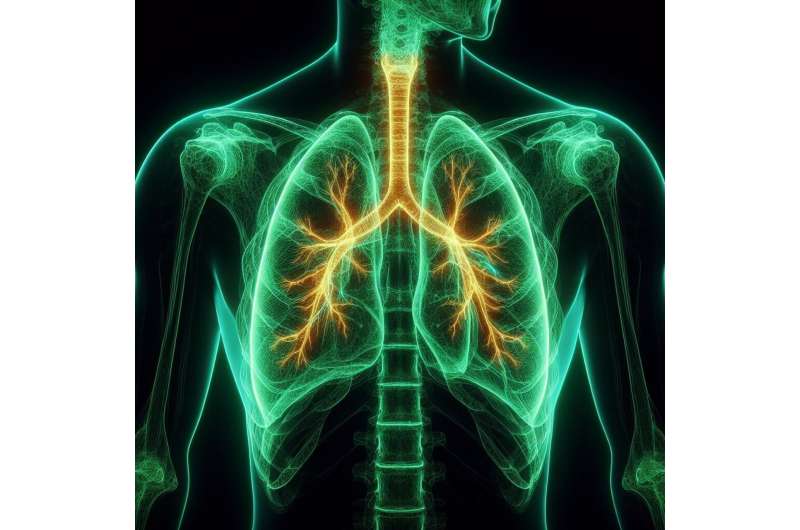
A study on donor lungs preserved outside the body before transplantation demonstrated that the hypothermic oxygenated machine perfusion (HOPE) technique is a safe and effective lung preservation method, even with total out-of-body times approaching 20 hours.
Jitte Jennekens, MSc, organ perfusionist/transplant coordinator at the UMC Utrecht in the Netherlands, presented the study results at today’s Annual Meeting and Scientific Sessions of the International Society of Heart and Lung Transplantation (ISHLT) in Boston.
“This technique is being used to preserve donor livers and kidneys and is being studied in clinical trials for hearts, but it hasn’t gotten that much attention for lung preservation yet,” said Jennekens.
Ex vivo lung perfusion (EVLP) is a technique that allows for donor lungs to be maintained, assessed, and potentially reconditioned outside of the body before transplantation. The lungs are connected to a pump and a ventilator and perfused with a solution that functions as a physiological fluid.
The UMC Utrecht developed its HOPE protocol to safely extend perfusion times, to maintain the viability of the lungs overnight until the transplantation can be performed during the day.
Donor lungs selected for EVLP are typically transported on ice and then warmed to 37 degrees Celsius using a normothermic EVLP (called nEVLP) protocol for functional assessment. Following nEVLP, the lungs are then returned to ice until the transplant begins.
The HOPE protocol eliminates the second period on ice by assessing the lungs during one hour of nEVLP and then preserving the lungs at 12 degrees C until the procedure.
Jennekens presented data comparing the outcomes of 12 cases conducted using the nEVLP-HOPE protocol with a historical cohort of donor lungs transplanted directly into patients without ex vivo lung perfusion.
The control cohort included 118 cases of lungs transplanted directly without perfusion between 2017 and 2022. The cases were performed between 2022 and 2024 using the HOPE protocol for logistical reasons.
No lungs in the nEVLP-HOPE group were rejected for transplantation, and short-term outcomes were similar between the study and control groups.
“Our findings indicate that HOPE is a safe and effective lung preservation method after a period of normothermic EVLP,” Jennekens said.
Jennekens said the next step is to determine the preservation strategy that will be most beneficial to a specific type of donor lung.
“Extending perfusion times for donor lungs outside of the body will allow for a future in which donor lungs can be optimized with different therapies,” she said.
Provided by
International Society for Heart and Lung Transplantation
Citation:
Donor lungs safely preserved up to 20 hours out-of-body prior to transplantation (2025, April 27)
retrieved 27 April 2025
from https://medicalxpress.com/news/2025-04-donor-lungs-safely-hours-body.html
This document is subject to copyright. Apart from any fair dealing for the purpose of private study or research, no
part may be reproduced without the written permission. The content is provided for information purposes only.

Khamrah by Lattafa for Men - 3.4 oz EDP Spray
4% Off
Ghost Sweetheart Eau de Toilette | Pineapple, Jasmine and Sandalwood | Perfume for Women 50 ml
50% Off
Marc Jacobs Dot Eau De Parfum for Women, 100 ml
42% Off
Ted Baker W Eau de Toilette for Her, Fig Leaf, White Peony and Violet Top Notes, Pink Orchid and Raspberry Middle Notes, 75ml
£11.77 (£15.69 / 100 ml) (as of 15/07/2026 03:57 GMT +01:00 - More infoProduct prices and availability are accurate as of the date/time indicated and are subject to change. Any price and availability information displayed on [relevant Amazon Site(s), as applicable] at the time of purchase will apply to the purchase of this product.)
Ted Baker Woman Pink Eau de Toilette Spray Floral Green Feminine Fragrance, Opening Notes are Fresh Peach, Bergamot and Tangerine with Warm Musk, Vanilla and Vetiver Base, 100ml
11% Off
Vera Wang Princess Eau de Toilette - 30 ml

Choco Musk 50ml Eau De Parfum for men and women | Chocolate Musk by Jannat Aromas
17% Off
Christina Aguilera Signature Eau de Parfum (50ml) Floral, Fruity & Exotic Scent, Luxury Fragrance for Women
9% Off
Calvin Klein - Eau De Toilette CKIN2U - Calvin Klein Women, Ladies Perfume, Women's Perfume, Calvin Klein Perfume, Calvin Klein One - 150 ml
5% Off
Jimmy Choo Flash Eau de Parfum, 60 ml (Pack of 1)
3% Off
Fruit of the Loom Men's Heavy T Shirt, White, XL UK
28% Off
ATNKE LED Lighted Beanie Cap,USB Rechargeable Running Hat Ultra Bright 4 LED Waterproof Light Winter Warm Gifts for Men and Women/Pink
17% Off
Men's 1/4 Zip Pullover UK Sale Clearance, Fleece Sweatshirt Casual Jumper Long Sleeve T-shirt Top Stand Collar Sweater Plain Pullover Sports Leisure Workwear Quarter Zip Sweater Lightweight Jumpers
£5.88 (as of 12/11/2025 00:52 GMT +01:00 - More infoProduct prices and availability are accurate as of the date/time indicated and are subject to change. Any price and availability information displayed on [relevant Amazon Site(s), as applicable] at the time of purchase will apply to the purchase of this product.)
Crevice Cleaning Brush, Bathroom Tile Groove Gap Cleaning Brush,Premium Crevice Cleaning Tool Aluminum Support with 15° Angle Magic Brush, Thin Brush for Home Kitchen
19% Off
Wireless Earbuds, Bluetooth 5.3 Headphones in Ear with HiFi Stereo Deep Bass, 4 ENC Noise Cancelling Mic Wireless Earphones 40H Playtime, Bluetooth Earbuds Dual LED Display, IP7 Waterproof, USB-C
42% Off